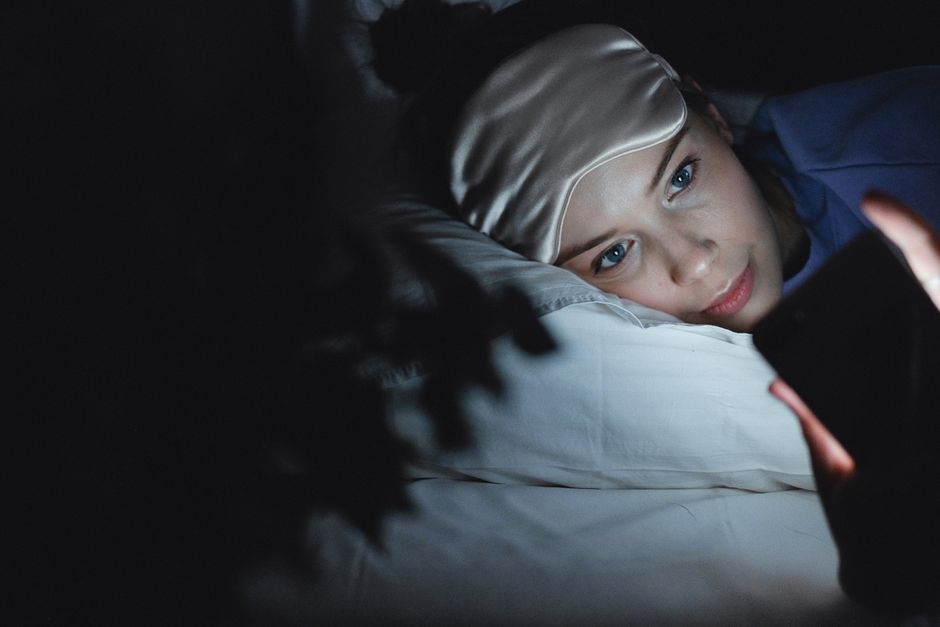
Struggling to get a good night’s sleep can be incredibly frustrating. With countless sleep aids available, it’s essential to understand which ones are scientifically proven to be effective. This article delves into the science behind common sleep aids, exploring what truly works.
Understanding Sleep Aids: Categories and Functions
Before diving into specific options, it’s important to categorize sleep aids. Broadly, they fall into two categories: pharmaceutical and natural. Pharmaceutical sleep aids often require a prescription and are usually designed to treat specific sleep disorders. In contrast, natural sleep aids are available over the counter and include herbal supplements and melatonin.
Pharmaceutical sleep aids work by altering brain chemistry to induce sleep. Commonly prescribed types include benzodiazepines and non-benzodiazepine hypnotics. On the other hand, natural aids generally aim to regulate the natural sleep-wake cycle, with melatonin being a prime example.
Image Position: after_intro
The Pharmaceutical Approach: Efficacy and Considerations
Pharmaceutical sleep aids can be effective for short-term use. Benzodiazepines, such as temazepam, are known for their sedative effects, helping users fall asleep faster and stay asleep longer. Non-benzodiazepine hypnotics, like zolpidem, are often preferred due to fewer side effects and a lower risk of dependence.
However, these medications are not without risks. Dependence, tolerance, and a range of potential side effects, such as dizziness and memory issues, can arise with prolonged use. It’s crucial to consult a healthcare provider to weigh the benefits and risks, especially for long-term management.
Natural Sleep Aids: What Science Says
Natural sleep aids have gained popularity due to their perceived safety and availability. Melatonin, a hormone naturally produced by the body, helps regulate the sleep-wake cycle. Supplementing with melatonin can be particularly beneficial for shift workers or those experiencing jet lag.
Herbal supplements such as valerian root, chamomile, and lavender are also popular. While some studies suggest that valerian root might reduce the time it takes to fall asleep, evidence is mixed. Chamomile and lavender are often consumed as teas or used in aromatherapy, and while many users report sleep-enhancing effects, scientific backing is limited.
Image Position: middle
Behavioral and Environmental Strategies
In addition to sleep aids, behavioral and environmental adjustments can significantly impact sleep quality. Cognitive Behavioral Therapy for Insomnia (CBT-I) is a highly effective approach that addresses the underlying thoughts and behaviors contributing to insomnia.
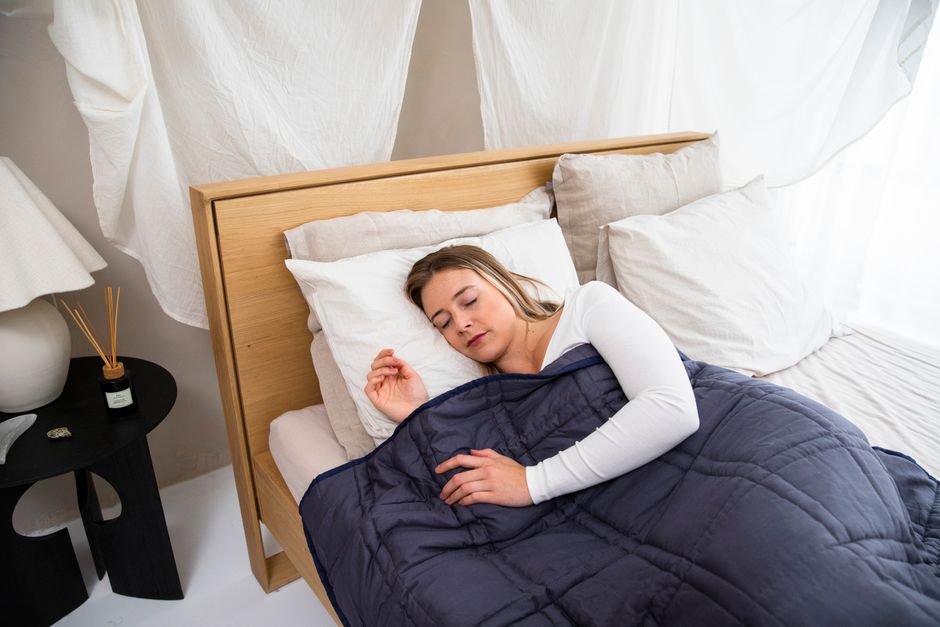
Improving sleep hygiene, such as maintaining a consistent sleep schedule, creating a restful environment, and limiting exposure to screens before bedtime, can also enhance sleep. These strategies are often recommended alongside sleep aids to maximize efficacy.
Common Mistakes to Avoid
Many people make common mistakes with sleep aids, reducing their effectiveness. One mistake is using sleep aids without addressing underlying issues such as anxiety or sleep apnea. It’s also important not to rely solely on sleep aids without implementing lifestyle changes.
Another frequent error is misusing over-the-counter aids, such as taking higher doses in hopes of quicker results. This can lead to adverse effects and should be avoided. Always follow dosage recommendations and consult a healthcare provider with any concerns.
Evaluating What’s Right for You
Choosing the right sleep aid involves considering both personal needs and scientific evidence. Those with chronic insomnia might benefit more from pharmaceutical aids, while individuals with occasional sleep disturbances might find natural options sufficient.
Ultimately, the decision should be based on a thorough evaluation of potential benefits and risks, ideally in consultation with a healthcare provider. Combining sleep aids with behavioral strategies often provides the best results.

Image Position: before_conclusion
In conclusion, understanding the science behind sleep aids can help you make informed decisions about improving your sleep. Whether opting for pharmaceuticals, natural supplements, or behavioral interventions, the key is to find a balanced approach that suits your individual needs.