Deciding how to correct your vision involves not just considering your current needs but also evaluating the long-term financial implications. Whether you choose glasses, contact lenses, or LASIK surgery, each option has its unique costs and benefits. This article offers a comprehensive comparison of these choices to help you make an informed decision.
Initial Costs and Considerations
Glasses
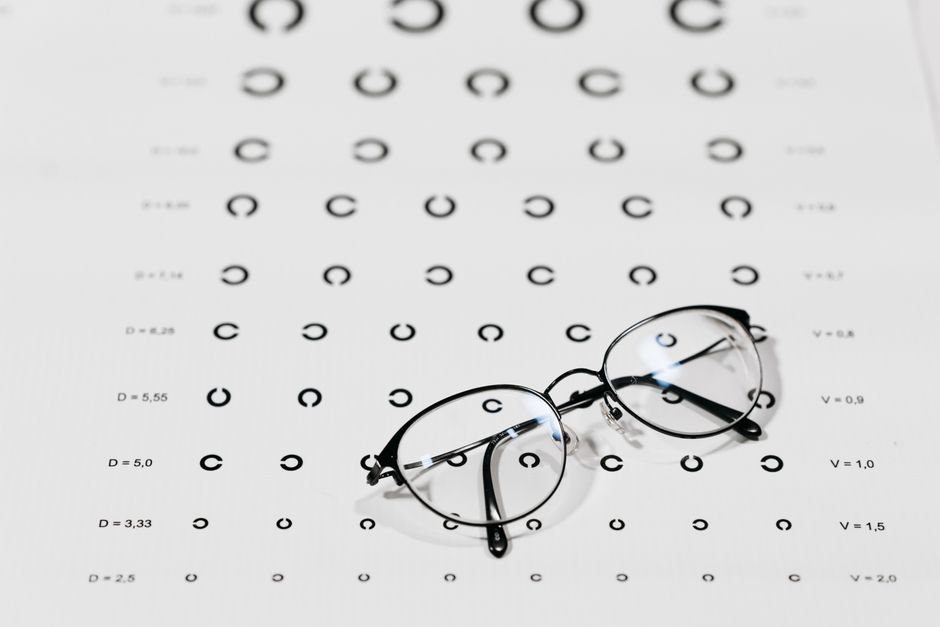
Glasses are often the first option considered due to their immediate accessibility and relatively low upfront costs. A typical pair of glasses includes costs for frames and lenses, which can vary based on materials, coatings, and brand. While basic models might be affordable, designer frames and specialized lenses can increase the price significantly.
Contact Lenses
Contact lenses present a more subtle aesthetic choice than glasses and require a prescription fitting. Initial costs include the lenses themselves, which need regular replacement, and solutions for cleaning and storage. The recurring costs make contacts a significant ongoing expense, depending on the type of lenses chosen—daily, bi-weekly, or monthly disposables.
LASIK Surgery
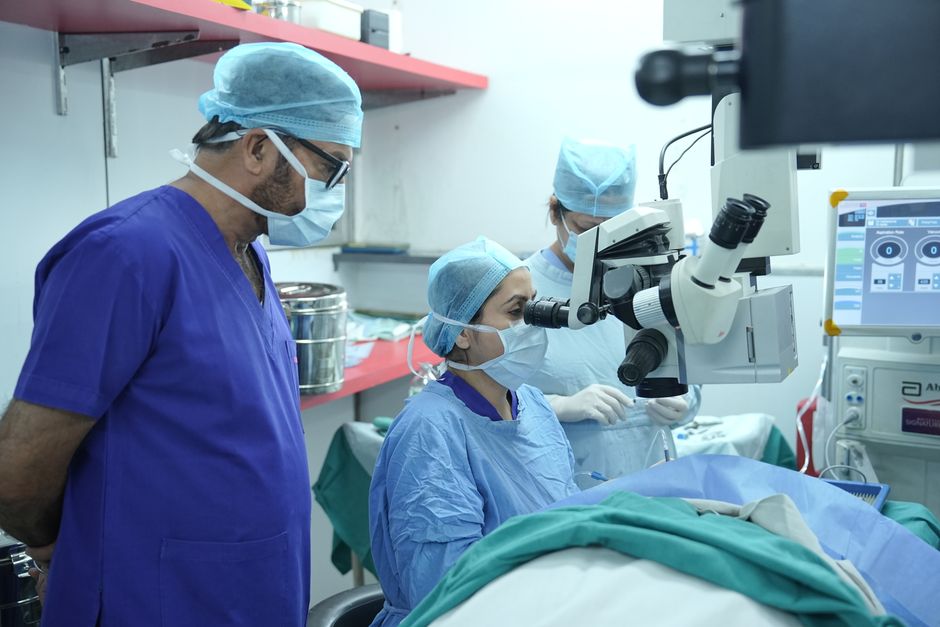
LASIK offers a long-term solution with a substantial initial investment. The procedure’s cost can vary widely based on the surgeon’s experience, technology used, and geographic location. Though the upfront cost is higher than glasses or contacts, many consider LASIK for its potential to eliminate the need for corrective lenses altogether.
Lifetime Cost Analysis
Glasses Over Time
While the initial expense for glasses may seem manageable, costs can accumulate over a lifetime. Prescription changes, accidental damage, and a desire for new styles mean most people will purchase multiple pairs throughout their lives. Additionally, costs for repairs or spare glasses can add up.
Recurring Expenses of Contacts
Contacts require continuous purchases of lenses and cleaning solutions, making them a recurring financial commitment. The cumulative cost over several decades can be substantial, often surpassing the cost of glasses. People with specific prescriptions or preferences for premium lenses may experience even higher costs.
Long-Term Savings with LASIK
Although LASIK involves a higher initial cost, it can lead to savings over time by eliminating the need for glasses or contacts. Many patients find that, after a few years, their investment in LASIK pays off compared to ongoing lens and glasses expenses. However, it’s essential to consider potential touch-up surgeries that might be needed.

Factors Influencing Your Decision
When choosing between these options, consider factors beyond cost. Lifestyle, comfort, convenience, and personal preference play significant roles. Glasses can be a fashion statement and protect eyes from debris, while contacts offer freedom from frames. LASIK provides a glasses-free lifestyle but comes with the risk of surgical complications.
Exploring Financing Options
Financing can make LASIK more accessible, as many providers offer payment plans to spread the cost over time. Insurance coverage for vision correction varies; while most plans cover glasses and contacts to some extent, LASIK is often considered elective and may not be covered.
Consulting with a Professional
Before making a decision, consult with an eye care professional. They can provide personalized advice based on your vision needs, eye health, and lifestyle. A thorough examination can help you understand which option might offer the best long-term value and satisfaction.
Ultimately, whether you choose glasses, contacts, or LASIK depends on your personal circumstances and priorities. By evaluating both the immediate and long-term costs and benefits, you can make a decision that aligns with your financial and lifestyle goals.