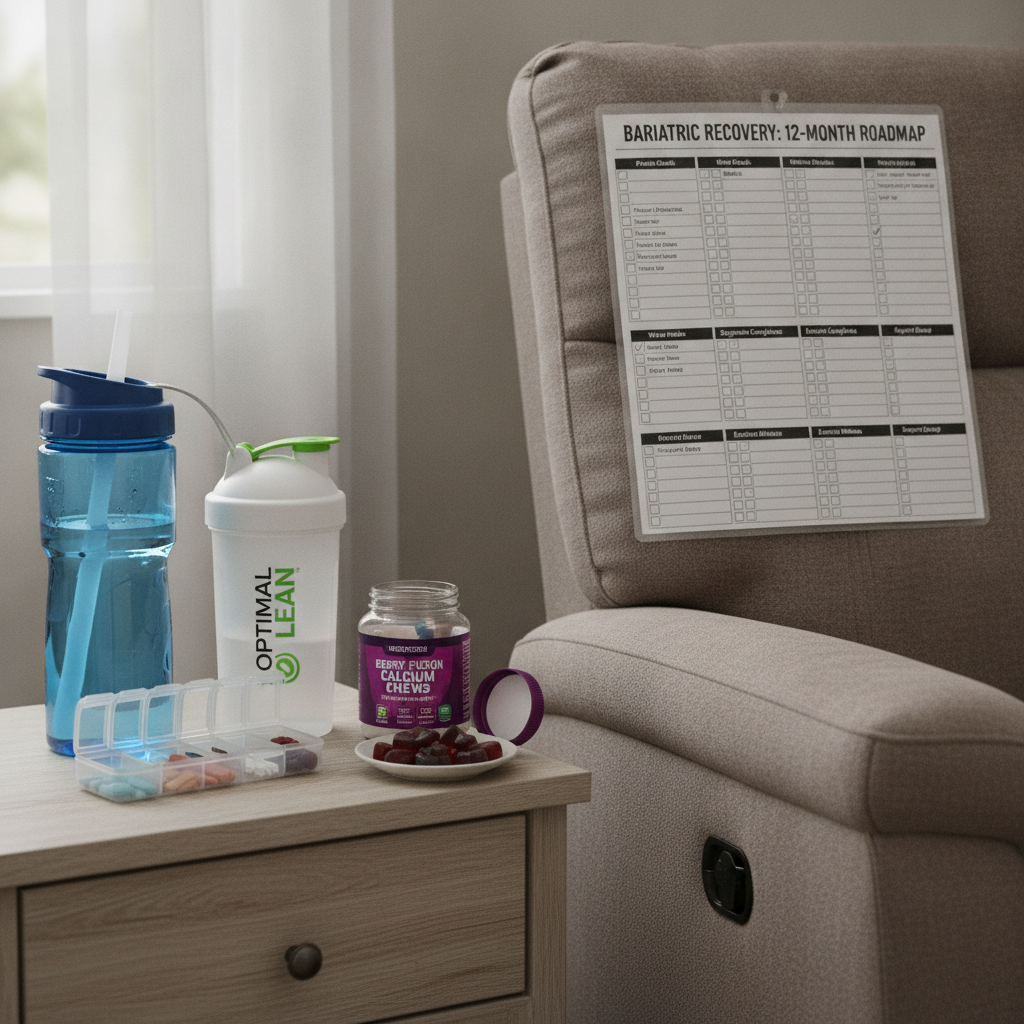
The scale may get all the attention after bariatric surgery, but the quiet work happens in your pill organizer. During the first year, your body is healing, adapting to smaller portions, and depending on a carefully planned nutrition routine to protect energy, hair, bones, nerves, and long-term weight loss results. The tricky part? Your needs are not the same in week two as they are in month nine.
This month-by-month guide gives you a practical roadmap for the first 12 months after gastric sleeve, gastric bypass, or similar weight loss procedures. Use it as a conversation starter with your bariatric team, especially because your exact plan may vary based on procedure type, blood work, diet tolerance, and medications.
Before You Buy Anything: The Core Stack Most Patients Discuss With Their Team
Most bariatric programs recommend a daily routine built around five categories: a bariatric multivitamin, calcium citrate, vitamin D3, vitamin B12, and iron. Some patients also need thiamine, folate, vitamin A, zinc, copper, magnesium, or extra protein support depending on labs and symptoms.
Specific products many patients compare include Bariatric Fusion One Per Day Multivitamin Capsule at about $29 to $35 for a 60-count bottle, CelebrateONE 45 at roughly $34 to $40 for 30 servings, ProCare Health Bariatric Multivitamin with 45 mg Iron at about $30 to $38 monthly, and PatchMD Bariatric Multivitamin Patch at around $25 to $35 monthly. Ask your clinician before choosing patches because absorption evidence is mixed and many programs prefer chewables, capsules, or liquids.
For calcium, Celebrate Calcium Citrate Soft Chews often cost about $28 to $34 for 90 chews, while Bariatric Advantage Calcium Citrate Chewy Bites are commonly $32 to $40 per bag. For B12, options include Nature Made Vitamin B12 1000 mcg tablets for about $8 to $12 or NOW Foods Methyl B-12 1000 mcg lozenges for about $10 to $14. Price anchoring tip: a full bariatric routine often costs $45 to $90 per month, which is far less than the cost of treating preventable deficiencies later.
Month 1: Protect Healing, Hydration, and Tolerance
The first month is not the time to freestyle. Your stomach is healing, your intake is limited, and your care team may advance you from clear liquids to full liquids, purees, or soft foods. Many programs start chewable or liquid vitamins within the first few days to weeks, but timing varies.
Your priority checklist
- Use the exact form your program recommends: chewable, liquid, or capsule if approved.
- Separate calcium and iron by at least two hours because they compete for absorption.
- Set phone alarms labeled “multi,” “calcium,” and “protein” instead of vague reminders.
- Choose sugar-free, low-acid options if nausea is an issue.
If swallowing pills feels impossible, ask about Bariatric Fusion Complete Chewable Multivitamin or Celebrate Multi-Complete Chewable. They can taste stronger than standard gummies, but they are designed for post-surgery needs. Standard supermarket gummy vitamins may look cheaper at $10 to $15, but they often lack iron, thiamine, copper, and adequate fat-soluble vitamins.
Month 2: Build the Habit Before Life Gets Busy Again
By month two, many people feel better and start returning to work, social meals, and errands. This is when missed doses begin. The danger is subtle: deficiency symptoms may not show immediately, so it is easy to think skipping is harmless.
Make your routine frictionless. Keep a 7-day AM/PM pill organizer such as the Ezy Dose Weekly Pill Planner for about $5 to $9. Put backup calcium chews in your purse, desk, or car, but avoid leaving heat-sensitive products in hot vehicles. Use a refill date on your calendar because popular bariatric products often go out of stock during promotion periods, especially around New Year and summer surgery seasons.
Month 3: The First Big Lab Checkpoint
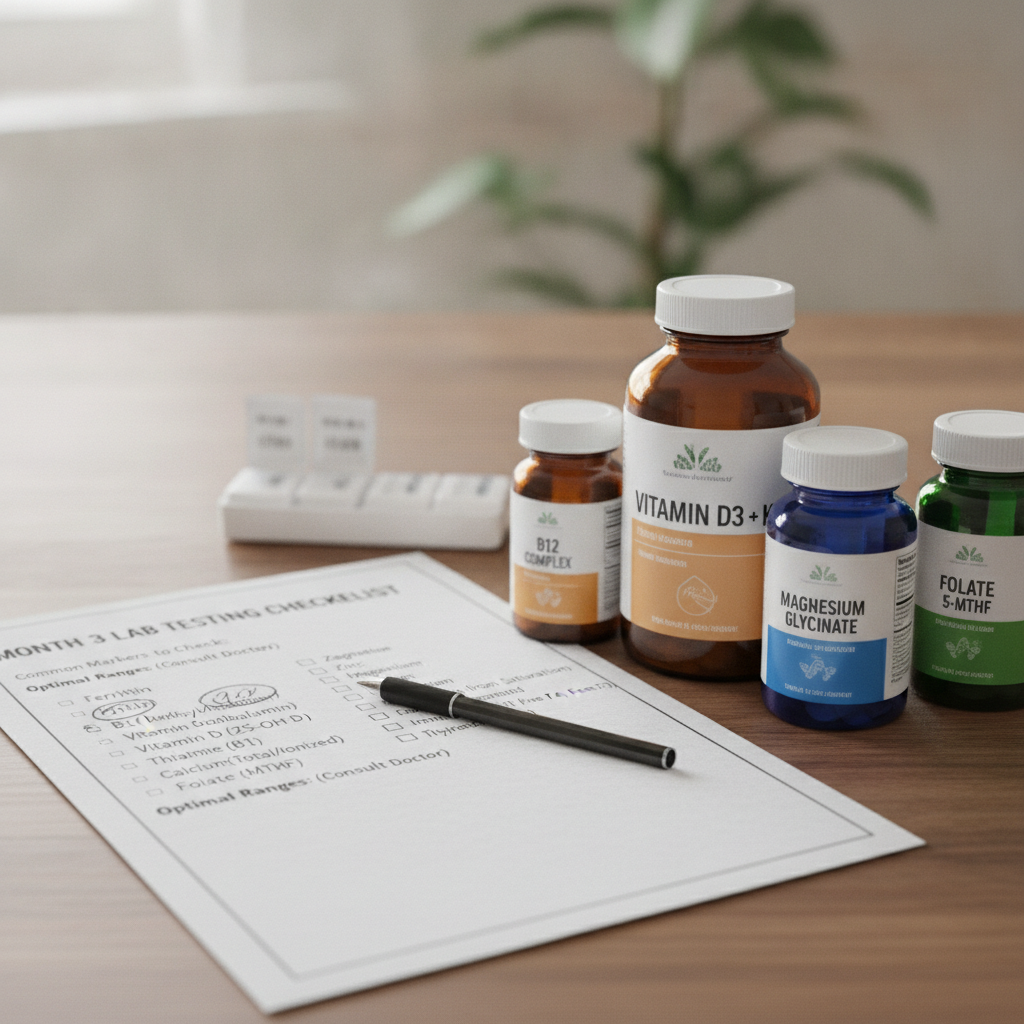
Many bariatric teams order blood work around the three-month mark. Typical labs may include CBC, CMP, ferritin, iron studies, B12, folate, vitamin D, thiamine, calcium, parathyroid hormone, and sometimes vitamin A, zinc, copper, or magnesium. Do not skip this appointment because month three can reveal trends before they become serious.
What to watch for
Fatigue, dizziness, tingling, restless legs, hair shedding, mouth cracks, brittle nails, and muscle cramps are worth reporting. These symptoms can have many causes, but they are common reasons your team may adjust iron, B12, D3, or protein goals.
Months 4 to 6: Hair, Energy, and Bone Support Become the Focus
Months four through six are famous for one scary moment: hair shedding. For many patients, this is telogen effluvium related to rapid weight loss, surgery stress, and reduced intake. Supplements cannot always prevent it, but consistent protein, iron, zinc, and a complete multivitamin can support recovery.
Protein still matters. If your team has you targeting 60 to 90 grams per day, products like Premier Protein Ready-to-Drink Shakes at about $26 to $32 for a 12-pack, Fairlife Core Power 26g at about $32 to $40 for a 12-pack, or Isopure Zero Carb Whey Protein Powder at about $45 to $60 per tub can help bridge gaps. Do not replace meals blindly; use protein strategically when real food intake is low.
Calcium timing matters now
Most programs recommend calcium citrate in divided doses because your body absorbs only so much at once. A common pattern is 500 to 600 mg calcium citrate two or three times daily, separated from iron. Calcium carbonate is often cheaper, but calcium citrate is usually preferred after bariatric surgery because it is less dependent on stomach acid.
Months 7 to 9: Switch From Survival Mode to Maintenance Systems
At this stage, many patients feel “normal” again. That confidence is great, but it can create supplement drift. You may be traveling, eating out, dating, celebrating milestones, or simply tired of managing bottles. This is when a subscription can be useful.
Brands such as ProCare Health, Celebrate Vitamins, and Bariatric Advantage often offer autoship discounts around 10% to 15%. If your monthly routine costs $70, an autoship discount could save $84 to $126 per year. More importantly, it prevents the “I ran out two weeks ago” problem. Scarcity note: during sale events, high-iron formulas and calcium chew flavors like caramel, raspberry, and chocolate can sell out quickly, so keep a 30-day buffer.
Travel kit formula
- One week of multivitamins in a labeled organizer.
- Individually wrapped calcium chews.
- Sublingual B12 tablets or spray.
- Electrolyte packets such as LMNT or Liquid I.V. Sugar-Free, if approved by your team.
- A photo of your supplement labels in your phone.
Months 10 to 12: Prepare for Your Annual Review
By the end of year one, your supplement plan should be personalized. Your annual lab review may confirm that your routine is working, or it may show that you need more iron, vitamin D, B12, copper, or another nutrient. Gastric bypass and duodenal switch patients often require especially close monitoring because malabsorption risk can be higher than with sleeve procedures.
Bring three things to your visit: your actual bottles, a screenshot of your daily schedule, and a list of missed-dose patterns. Be honest. Your clinician cannot fix a plan they cannot see. If your iron causes constipation, your calcium tastes awful, or your multivitamin makes you nauseated, there are alternatives.
Simple Daily Schedule You Can Copy Today
Here is a sample routine to discuss with your bariatric team:
- Morning: Bariatric multivitamin with iron after breakfast or first protein meal.
- Midday: Calcium citrate dose with lunch.
- Afternoon: Second calcium citrate dose.
- Evening: Third calcium dose if prescribed, away from iron.
- Weekly or daily: B12 depending on product and clinician instructions.
If nausea hits, try taking your multivitamin with food, switching brands, moving it later in the day, or asking about iron-free multis plus separate iron. Never stop without notifying your team.
What Not to Do in the First Year
- Do not use children’s gummies as your primary plan unless your bariatric clinician specifically approves.
- Do not take iron and calcium together.
- Do not assume “more is better,” especially with fat-soluble vitamins A, D, E, and K.
- Do not ignore vomiting, numbness, severe fatigue, or confusion; these can be urgent.
- Do not skip labs because you feel fine.
Your Next Step: Make the Next 30 Days Automatic
Open your calendar now and schedule your next lab visit, supplement refill date, and a five-minute Sunday pill-organizer reset. Then compare your current products against your program’s checklist. If you are missing calcium citrate, iron, B12, or a true bariatric multivitamin, message your care team today. The first year moves fast, and the people who protect their routine early are usually the ones who feel more confident later.
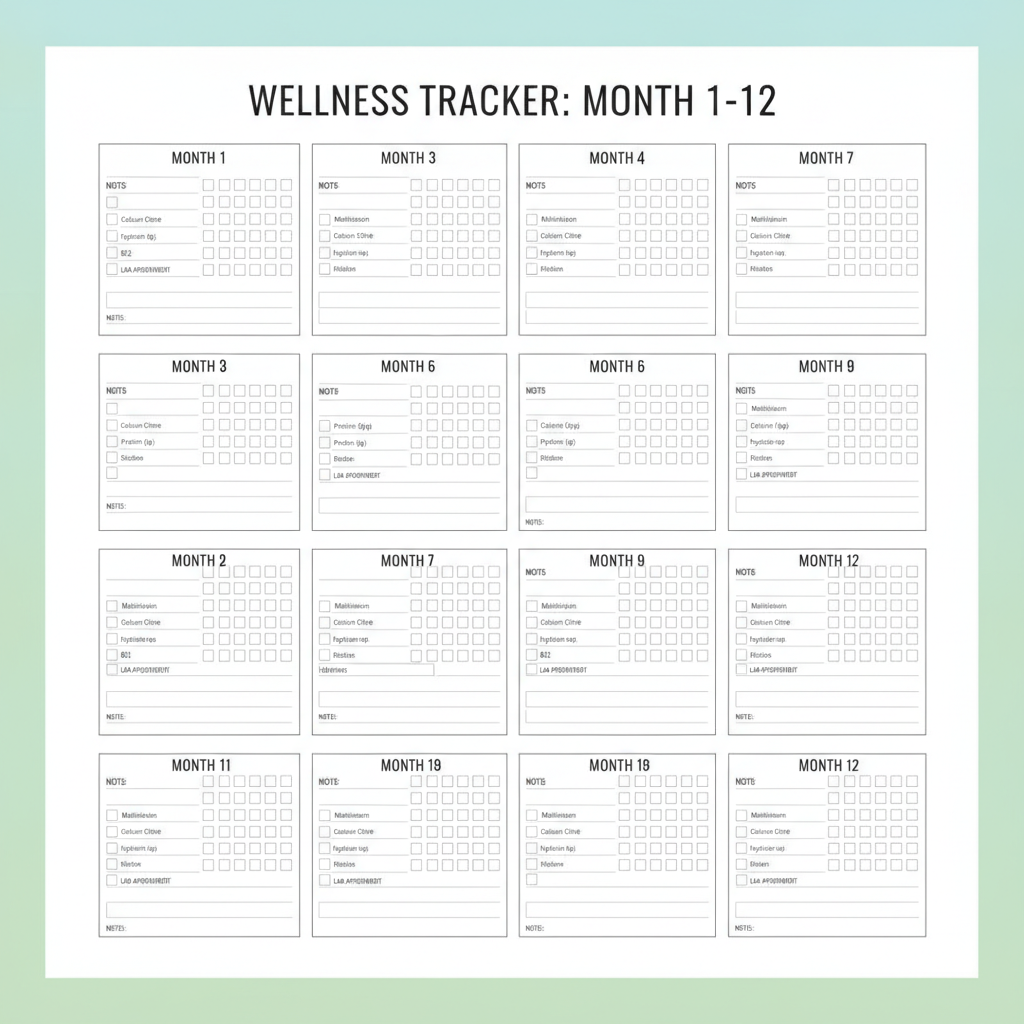
Your surgery was a major investment. Your daily supplement system is how you protect it.