Struggling with sleep is a common issue, and many turn to sleep aids for relief. With so many options available, knowing what truly works based on scientific research is crucial for making informed decisions. This article delves into the science behind various sleep aids, exploring which are most effective according to current evidence.
Understanding the Science of Sleep
To comprehend how sleep aids work, it’s important to understand the basics of sleep itself. Sleep is a complex biological process involving multiple stages, each with distinct characteristics and purposes. Adequate sleep is essential for cognitive function, emotional regulation, and overall health. Disruptions can lead to chronic issues, making the management of sleep disorders critical.
Sleep is regulated by the circadian rhythm and the sleep-wake homeostasis. The circadian rhythm is an internal clock influenced by external factors like light, while homeostasis builds sleep pressure throughout the day, creating a need for rest. Effective sleep aids often target these fundamental processes to enhance sleep quality.
Types of Sleep Aids: What Science Says
Melatonin Supplements
Melatonin, a hormone produced by the pineal gland, plays a key role in regulating sleep-wake cycles. Supplements are commonly used to manage insomnia and jet lag. Scientific studies suggest that melatonin can be effective for improving sleep onset, particularly in cases of disrupted circadian rhythms. However, its efficacy may vary depending on the individual’s specific sleep issues.
Prescription Medications
Prescription sleep medications, such as benzodiazepines and non-benzodiazepine hypnotics, are often used for short-term treatment of insomnia. These drugs act on neurotransmitter pathways in the brain to promote sedation and sleep. Research indicates they can be effective for acute sleep problems, but potential side effects and dependence issues make them less suitable for long-term use. Consultation with a healthcare provider is essential before starting these medications.
Over-the-Counter Options
Many over-the-counter sleep aids contain antihistamines, which can induce drowsiness. While they may help some people fall asleep, their effectiveness for chronic sleep problems is less clear. The sedative effects can last into the next day, causing grogginess or impaired alertness. Studies suggest these may be better suited for occasional use rather than regular reliance.
Natural and Behavioral Approaches
Herbal Remedies
Herbs like valerian root and chamomile are popular alternatives, often touted for their calming effects. While some studies suggest potential benefits, the scientific evidence is mixed, and results can be inconsistent. It’s important to approach these remedies with caution, considering possible interactions with other medications.
Cognitive Behavioral Therapy for Insomnia (CBT-I)
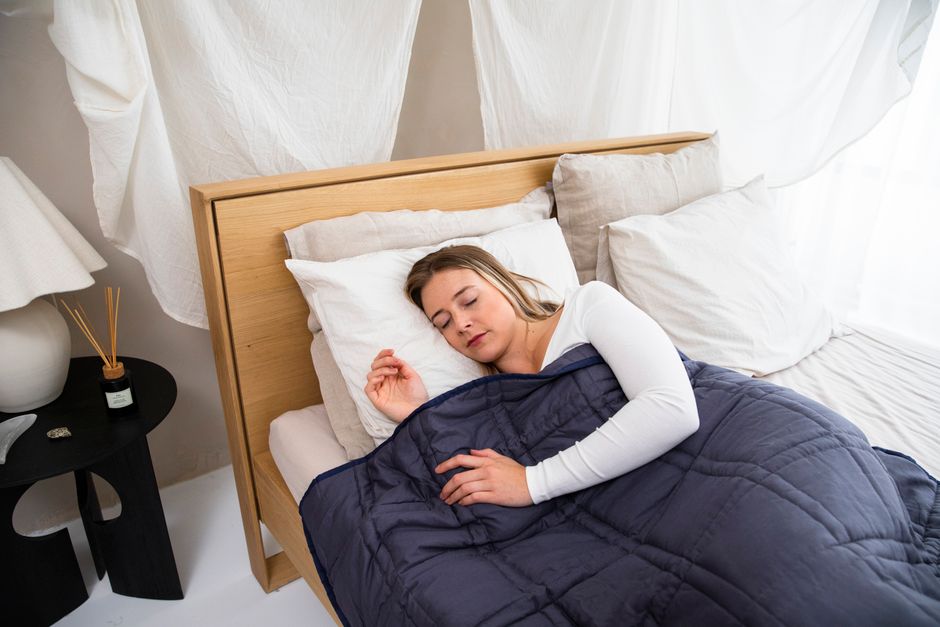
CBT-I is a structured program that helps individuals change behaviors and thoughts that contribute to sleep problems. It is considered one of the most effective long-term treatments for insomnia, with substantial evidence supporting its efficacy. Unlike medications, CBT-I addresses the underlying causes of insomnia and often leads to lasting improvements.
- Sleep restriction therapy involves limiting the time spent in bed to increase sleep drive.
- Stimulus control therapy aims to associate the bed with sleep, not wakefulness.
- Relaxation techniques and sleep hygiene education help reduce anxiety and create a conducive sleep environment.
Common Mistakes to Avoid
Choosing the right sleep aid involves avoiding common pitfalls. Misuse or over-reliance on sleep aids can exacerbate sleep problems. It’s critical to:
- Avoid using sleep aids without consulting a healthcare provider, especially if taking other medications.
- Not rely on sleep aids for long-term use unless prescribed by a professional.
- Be aware of potential side effects and interactions with other substances.
Practical Tips for Choosing a Sleep Aid
Consider the following when selecting a sleep aid:

- Identify the root cause of your sleep problems. Is it stress, a medical condition, or something else?
- Consult with a healthcare provider to determine the best option based on your specific needs and health profile.
- Experiment with non-pharmacological approaches first, such as improving sleep hygiene and trying CBT-I.
Conclusion: Making an Informed Choice
Understanding the science behind sleep aids empowers you to make informed choices. While many options exist, the most effective solutions often involve a combination of lifestyle changes and targeted interventions based on scientific evidence. Prioritizing safe, evidence-based approaches can lead to better sleep and improved overall health.