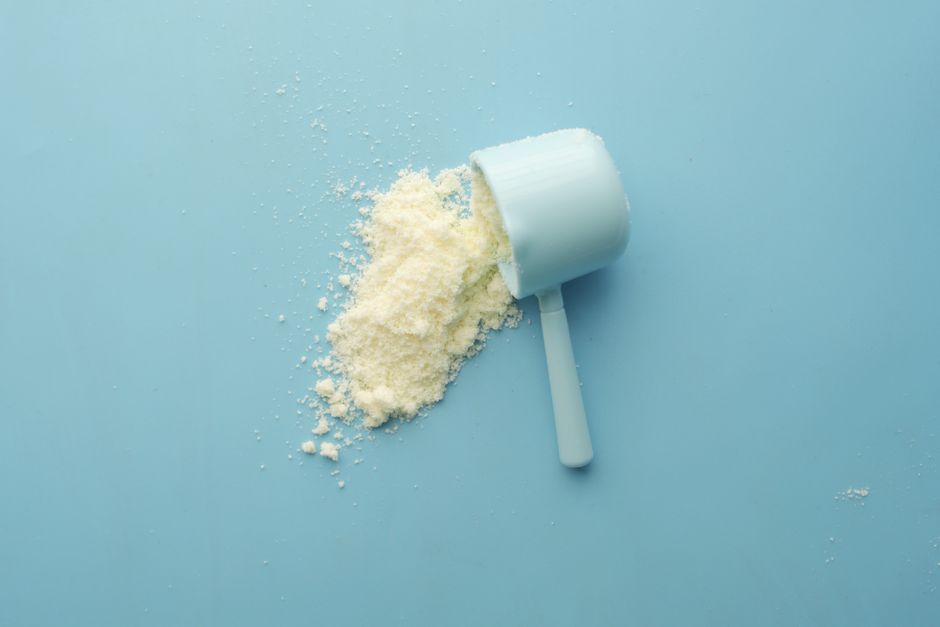
Choosing the right protein powder can be a game-changer in your weight loss journey. While protein powders are popular among athletes and fitness enthusiasts, they are also beneficial for those looking to shed some pounds. By focusing on expert recommendations and understanding key ingredients, you can select a protein powder that aligns with your weight loss goals.
Understanding Protein Powder Types
Before diving into specific recommendations, it’s important to understand the different types of protein powders available. The most common types include whey, casein, soy, and plant-based options like pea and hemp. Each type has its unique characteristics and benefits.
Whey Protein: This is the most popular and widely used protein powder. It is a complete protein, meaning it contains all nine essential amino acids necessary for muscle repair and growth. Whey protein is quickly absorbed by the body, making it an excellent choice post-workout.
Casein Protein: Unlike whey, casein is absorbed slowly, providing a steady release of amino acids. This makes it ideal for use at night or between meals to keep you feeling full and satisfied longer.
Soy Protein: A great option for vegetarians and those with lactose intolerance, soy protein is also a complete protein. It has been shown to support cardiovascular health and may even aid in weight loss by reducing appetite.
Plant-Based Proteins: Options like pea and hemp protein are excellent for vegans and those with dietary restrictions. While they may not always be complete proteins on their own, they can be combined with other plant sources to achieve a full amino acid profile.
Key Ingredients for Weight Loss
When selecting a protein powder for weight loss, certain ingredients can enhance the effectiveness of your efforts. Here are some to look for:
- Low Sugar Content: High sugar content can counteract your weight loss efforts. Look for protein powders with minimal or no added sugars.
- Added Fiber: Fiber helps keep you feeling full longer, which can reduce overall calorie intake.
- Thermogenic Ingredients: Some protein powders include ingredients like green tea extract or cayenne pepper, which may boost metabolism and aid in fat burning.
- Branched-Chain Amino Acids (BCAAs): These are essential for muscle recovery and growth and can support weight loss by preserving lean muscle mass.
Recommendations from Experts
Experts often recommend choosing a protein powder that fits your dietary needs and preferences. Here are some broad tips to consider from nutritionists and fitness professionals:
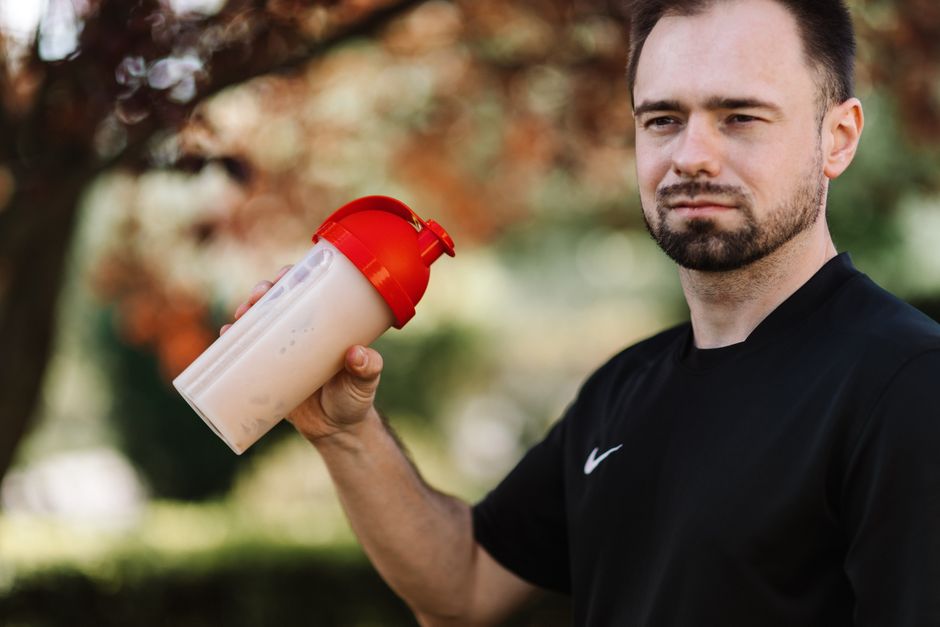
Prioritize Quality: Look for protein powders that are third-party tested for quality and purity. Organic and non-GMO options are also worth considering.
Consider Your Dietary Restrictions: If you have allergies or follow a specific diet, such as vegan or gluten-free, ensure the protein powder aligns with these needs.
Check for Additives: Avoid protein powders with unnecessary additives, artificial sweeteners, or fillers that could hinder your weight loss goals.
How to Incorporate Protein Powder into Your Diet
Incorporating protein powder into your diet is relatively easy, and there are various ways to do so:
- Post-Workout Shakes: Mixing protein powder with water or a milk alternative is a quick way to fuel recovery after a workout.
- Meal Replacement: Blend protein powder into smoothies with fruits and vegetables for a balanced meal replacement option.
- Snacks: Add protein powder to yogurt or oatmeal for a protein-rich snack that keeps hunger at bay.
Common Mistakes to Avoid
Avoid these common pitfalls when using protein powder for weight loss:
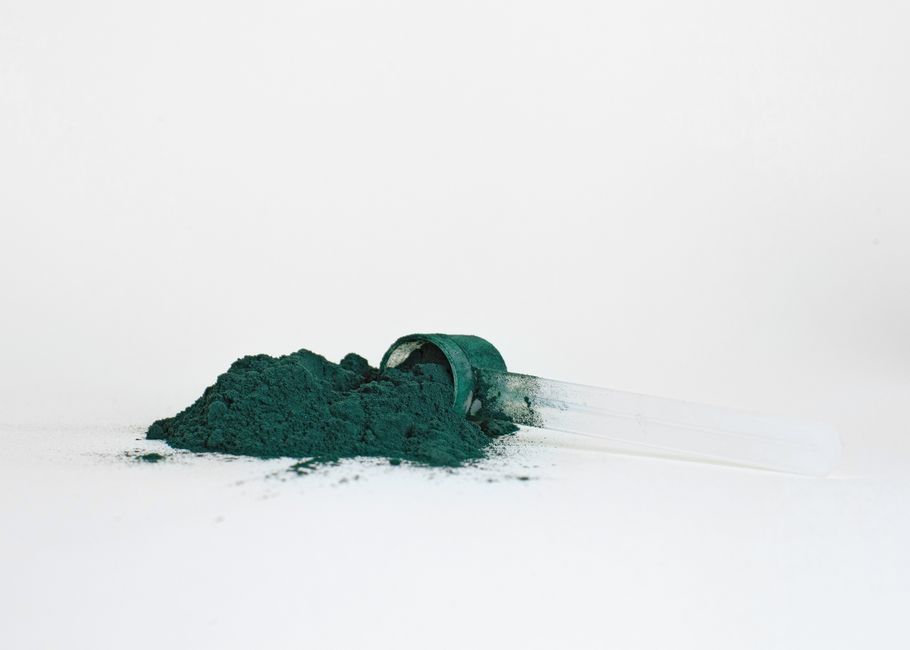
- Overconsumption: More protein doesn’t always mean better results. Stick to recommended servings to avoid excess calorie intake.
- Neglecting Whole Foods: While protein powder is a convenient source of protein, it should not replace whole food sources entirely.
- Ignoring Labels: Always read labels to ensure the powder fits your nutritional goals and is free from unwanted ingredients.
Conclusion
In conclusion, selecting the right protein powder can significantly support your weight loss journey. By understanding the different types of protein powders, focusing on key ingredients, and learning how to incorporate them effectively into your diet, you can make informed decisions. Remember to always consult with a healthcare provider or nutritionist to tailor your choices to your specific health needs and goals.