
Mental health is increasingly recognized as a critical component of overall well-being, and telehealth services have emerged as a vital resource for those seeking mental health care. With the convenience of digital platforms, patients can now access therapy and counseling from the comfort of their homes. However, the array of available services can be overwhelming. This article aims to compare specialized telehealth services for mental health, highlighting their offerings, specialties, and user experiences to help you make informed choices.
Understanding Telehealth for Mental Health
Telehealth for mental health refers to the use of digital platforms to provide psychological therapy and psychiatric services through video calls, phone calls, or messaging. This form of healthcare delivery has become essential for those who may face geographical, physical, or emotional barriers to accessing traditional in-person therapy. With technological advancements, telehealth platforms now offer a range of services tailored to different mental health needs.
These services often include individual therapy, group therapy, medication management, and specialized programs for conditions such as anxiety, depression, PTSD, and more. The flexibility and privacy offered by telehealth can also reduce stigma and make mental health care more accessible to diverse populations.
Types of Services Offered
- Individual Therapy: One-on-one sessions with a licensed therapist.
- Group Therapy: Facilitated group sessions focusing on shared experiences or conditions.
- Medication Management: Consultations with psychiatrists for medication prescriptions and management.
- Specialized Programs: Tailored treatment plans for specific mental health issues such as addiction recovery or trauma therapy.
Key Factors in Choosing a Telehealth Service
When selecting a telehealth service for mental health, it’s crucial to consider several factors to ensure you receive the best possible care. These factors include the qualifications of the professionals, the types of services offered, the cost, and the technology used.
Qualifications and Expertise
Ensure that the service employs licensed and experienced mental health professionals. Platforms should provide detailed information about their therapists’ qualifications and areas of expertise. This transparency helps you choose a therapist who specializes in your particular needs, whether it be cognitive behavioral therapy, psychodynamic therapy, or another modality.
Technology and User Experience
The platform’s technology should be user-friendly and reliable. Look for services that offer intuitive interfaces and robust security measures to protect your privacy. Consider how easy it is to schedule appointments, communicate with your therapist, and access session notes or resources.
Comparing Popular Telehealth Platforms
Several telehealth platforms are well-known for their mental health services, each offering unique features and approaches. While specifics may vary, understanding the general strengths of these platforms can guide your decision.
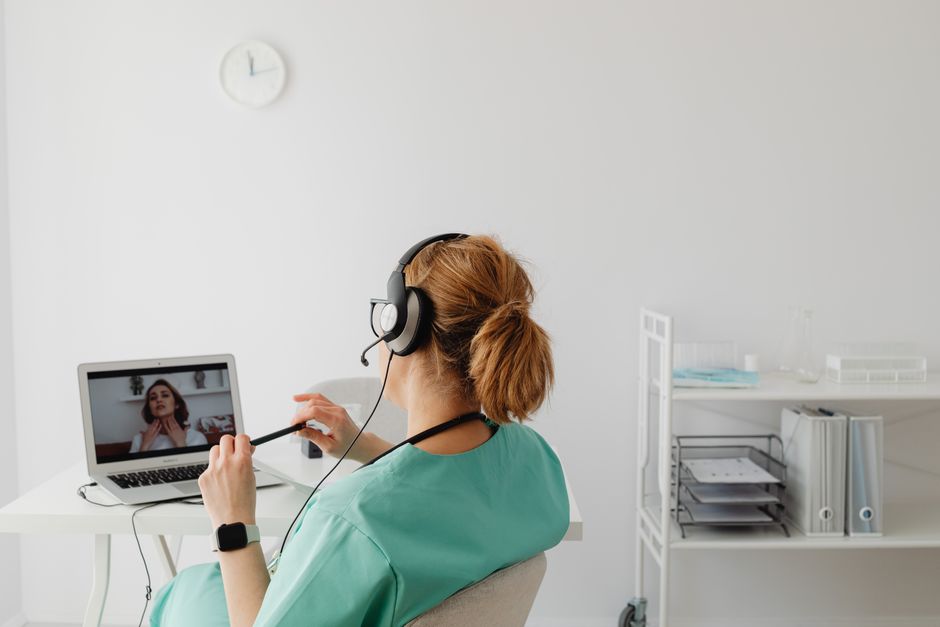
BetterHelp and Talkspace
Both BetterHelp and Talkspace are widely recognized for their extensive networks of licensed therapists. BetterHelp offers unlimited messaging with your therapist, while Talkspace provides options for text, voice, and video communication. Both platforms are suitable for individuals seeking flexible communication methods with their therapists.
Amwell and MDLive
Amwell and MDLive offer broader telehealth services, which include mental health care along with general medical consultations. They are known for providing access to psychiatrists for those who may need medication management in addition to therapy. These platforms often integrate with insurance plans, which can make them a more affordable option for some users.
User Experiences and Reviews
User experiences can vary widely based on personal preferences and needs. When evaluating a telehealth service, consider reading reviews or testimonials from other users. These insights can provide valuable information about the ease of use, the quality of care, and the overall satisfaction with the platform. Keep in mind that what works for one person may not work for another, so it’s important to assess whether a particular service aligns with your expectations and requirements.

Common User Praise
- Convenience and accessibility of scheduling appointments from home.
- Privacy and comfort of receiving therapy in familiar surroundings.
- Variety of communication options to suit different preferences.
Potential Drawbacks
- Technology issues such as connectivity problems.
- Feeling less connected to a therapist compared to in-person sessions.
- Concerns about privacy and data security.
Conclusion: Making an Informed Choice
Choosing the right telehealth service for mental health is a personal decision that depends on your unique needs and circumstances. By considering the qualifications of therapists, the technology and user experience, and the feedback from other users, you can find a service that best fits your mental health goals. Remember that seeking help is a positive step towards better mental health, and the convenience of telehealth makes it more accessible than ever before.