
Choosing between multivitamins and whole foods for optimal nutrition is a common dilemma. Each option has its own set of benefits and drawbacks, and understanding these can help you make more informed dietary choices. This article examines the differences, benefits, and when each might be more appropriate for your health needs.
Understanding Multivitamins
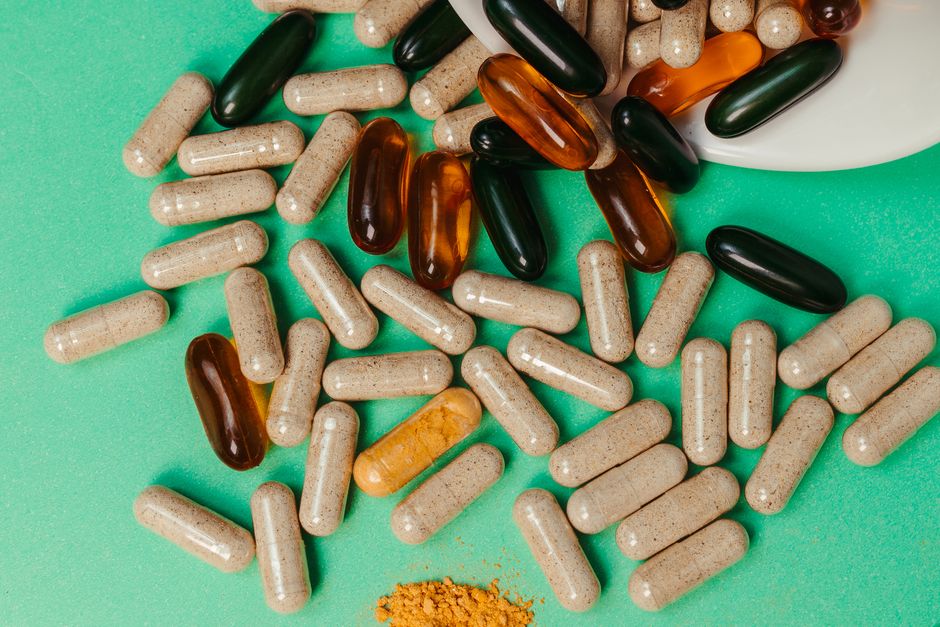
Multivitamins are dietary supplements that contain a combination of vitamins, minerals, and sometimes other nutrients. They are designed to provide a convenient way to ensure you meet the recommended daily intake of essential nutrients. Multivitamins can be particularly beneficial for individuals with dietary restrictions, certain medical conditions, or increased nutritional needs.
While multivitamins can help fill gaps in nutrition, they are not a substitute for a healthy diet. They do not contain the variety of nutrients found in whole foods, such as fiber and phytonutrients, which are crucial for overall health. Furthermore, the bioavailability of nutrients in multivitamins can vary, meaning your body may not absorb them as efficiently as those from food sources.
- Convenience: Easy to incorporate into a daily routine, especially for individuals with busy lifestyles or limited access to diverse foods.
- Targeted Nutrition: Formulations can be tailored to address specific health needs, such as prenatal vitamins or senior formulas.
The Benefits of Whole Foods
Whole foods such as fruits, vegetables, grains, and proteins provide a complex matrix of nutrients that multivitamins cannot replicate. They are naturally rich in vitamins, minerals, antioxidants, and phytochemicals, which work synergistically to support optimal health. Consuming a variety of whole foods can help reduce the risk of chronic diseases, improve digestion, and enhance overall well-being.
Whole foods are also a source of dietary fiber, which is essential for maintaining a healthy digestive system. Fiber helps regulate blood sugar levels, supports weight management, and lowers cholesterol. Additionally, whole foods often contain water, which helps with hydration and nutrient absorption.
- Comprehensive Nutrition: Provides a wide range of nutrients and beneficial compounds that cannot be duplicated in supplement form.
- Better Absorption: Nutrients in whole foods are often more bioavailable and can be more easily utilized by the body.
When to Consider Multivitamins
While whole foods should be the foundation of your diet, there are situations where multivitamins may be necessary. Individuals with specific dietary restrictions, such as vegans or those with food allergies, might struggle to meet their nutritional needs through food alone. Similarly, people with certain health conditions or those who are pregnant or elderly may benefit from the additional nutrients that multivitamins provide.
It is essential to consult with a healthcare professional before starting any supplement regimen. They can help determine if a multivitamin is necessary and, if so, which formulation is best suited to your individual needs. Additionally, they can advise on potential interactions with medications or other supplements you may be taking.

Common Scenarios for Multivitamin Use
- Pregnancy: Increased need for folic acid and iron, which are crucial for fetal development.
- Aging: Older adults may need more vitamin D and calcium to support bone health.
- Restrictive Diets: Vegetarian or vegan diets may lack certain nutrients like vitamin B12 and omega-3 fatty acids.
Common Mistakes to Avoid
When it comes to using multivitamins, several common mistakes can reduce their effectiveness or even pose health risks. One such mistake is assuming that more is always better. Taking megadoses of certain vitamins or minerals can lead to toxicity and adverse health effects. Another common error is using multivitamins as a substitute for a healthy diet, rather than a supplement to it.
It is also important to be aware of the supplement’s quality. Not all multivitamins are created equal, and some may contain fillers or unnecessary additives. Selecting products that have been tested for purity and potency can help ensure that you are getting a high-quality supplement.
Finding a Balance
The decision between multivitamins and whole foods does not have to be an either-or choice. Instead, aim to create a balanced approach that prioritizes whole foods while using supplements to fill any nutritional gaps. Focus on consuming a varied diet rich in fruits, vegetables, whole grains, and lean proteins. Use multivitamins strategically to address specific health needs or dietary deficiencies.
Ultimately, the best approach is one that is tailored to your individual lifestyle and health needs. By taking a thoughtful and informed approach to nutrition, you can support your overall health and well-being.