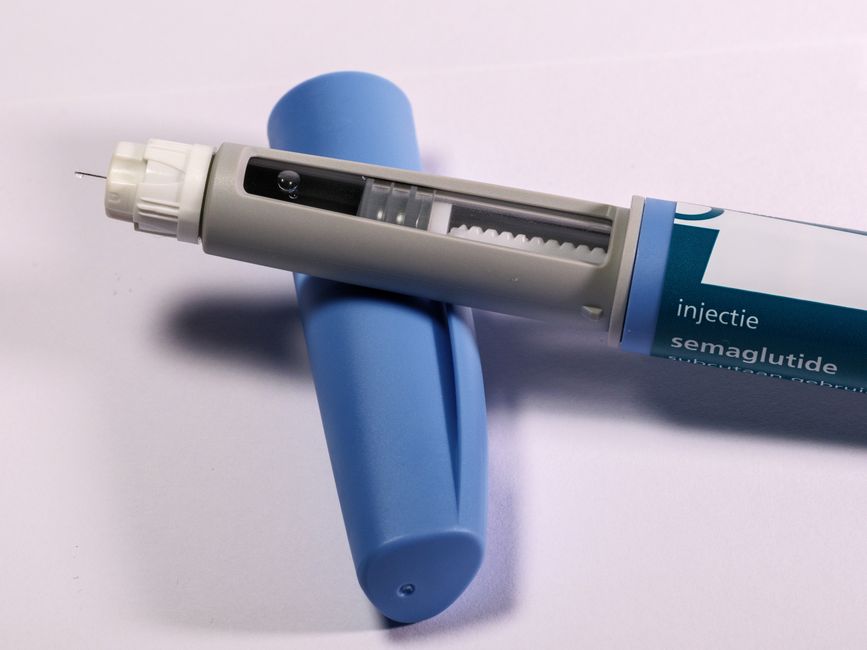
GLP-1 (glucagon-like peptide-1) receptor agonists are a class of medications that have gained attention for their effectiveness in promoting weight loss. Originally developed for diabetes management, these drugs have been found to assist with weight loss by regulating insulin levels and reducing appetite. As more people seek effective weight management solutions, understanding the costs, efficacy, and potential side effects of these medications becomes crucial.
Understanding GLP-1 Receptor Agonists
GLP-1 receptor agonists work by mimicking the GLP-1 hormone, which increases insulin secretion, slows gastric emptying, and influences appetite regulation. This makes them beneficial not only for blood sugar control but also for weight loss. Commonly prescribed GLP-1 drugs include liraglutide and semaglutide, among others, each with its own set of benefits and drawbacks.
Liraglutide
Liraglutide is one of the first GLP-1 drugs approved for weight loss. It is typically administered via daily injections. Users have reported significant weight loss over time, alongside better control of blood glucose levels for those with type 2 diabetes. However, the need for daily injections can be a downside for some.
Semaglutide
Semaglutide has gained popularity due to its higher efficacy in weight loss compared to some other GLP-1 medications. Administered once weekly, it offers a more convenient option for those wary of daily injections. Patients often report more substantial weight loss, making it a preferred choice for long-term management.
Comparing Costs: What to Expect
The cost of GLP-1 receptor agonists can vary widely based on the drug itself, insurance coverage, and geographical location. Generally, these medications can be expensive without insurance. Some patients may find generic versions or alternative medications that offer a similar effect at a lower cost.
Insurance coverage plays a significant role in cost management. Some insurers cover these drugs under diabetes management plans, but coverage specifically for weight loss can be limited. It is advisable to consult with insurance providers to understand the extent of coverage available for these medications.
Efficacy: How Effective Are These Drugs?
The effectiveness of GLP-1 receptor agonists varies from person to person. Clinical trials have shown promising results, with many users experiencing significant weight loss over a period of months. The degree of weight loss can depend on the specific medication, dosage, and individual response.
For instance, semaglutide is often noted for its higher efficacy in weight management compared to others. However, individual factors like diet, exercise, and overall health can influence outcomes significantly. Thus, these medications are usually most effective when combined with lifestyle modifications.
Potential Side Effects
Like any medication, GLP-1 receptor agonists come with potential side effects. Common issues include nausea, vomiting, and diarrhea, particularly when starting treatment. These side effects often diminish as the body adjusts to the medication. More serious, though rare, side effects can include pancreatitis and gallbladder problems.

It is crucial for users to discuss potential side effects with their healthcare provider, especially if they have a history of gastrointestinal issues or other health concerns. Monitoring and adjusting dosages under medical supervision can help mitigate these risks.
Making an Informed Choice
Choosing the right GLP-1 medication involves weighing various factors, including cost, convenience, efficacy, and side effects. Patients should consult with healthcare providers to evaluate personal health goals and potential benefits of each medication.
Understanding individual needs and potential insurance coverage is vital. Engaging in open dialogue with healthcare providers ensures that patients are well-informed about the implications of starting a GLP-1 medication for weight loss.
Common Mistakes to Avoid
One mistake is relying solely on medication without making lifestyle changes. GLP-1 receptor agonists are most effective when combined with a healthy diet and regular physical activity. Additionally, not consulting a healthcare provider before starting or stopping medication can lead to adverse effects.
Another error is not exploring insurance options thoroughly, which could result in higher out-of-pocket expenses. Patients should verify whether their prescription plan covers the chosen medication for weight management purposes.

By understanding these aspects, individuals can make more informed decisions about incorporating GLP-1 receptor agonists into their weight loss strategy, optimizing both health outcomes and economic considerations.