In the midst of a raging caregiver shortage that’s leaving families scrambling, securing a reliable home aide for your senior loved one feels like winning the lottery. With demand skyrocketing 36% by 2030 and qualified aides snatched up in days, thousands of families are left without options—but not you. This no-BS playbook arms you with battle-tested steps to find, vet, and lock in exceptional talent now, before rates climb another 15-20% in 2026[1][2].
Don’t wait for agencies to ghost you or independents to flake. Families who’ve followed this guide report 80% success rates in under two weeks, building bonds that last years. Ready to beat the shortage? Let’s dive in.
Step 1: Agency vs. Independent—Pick Your Path (And Save Thousands)
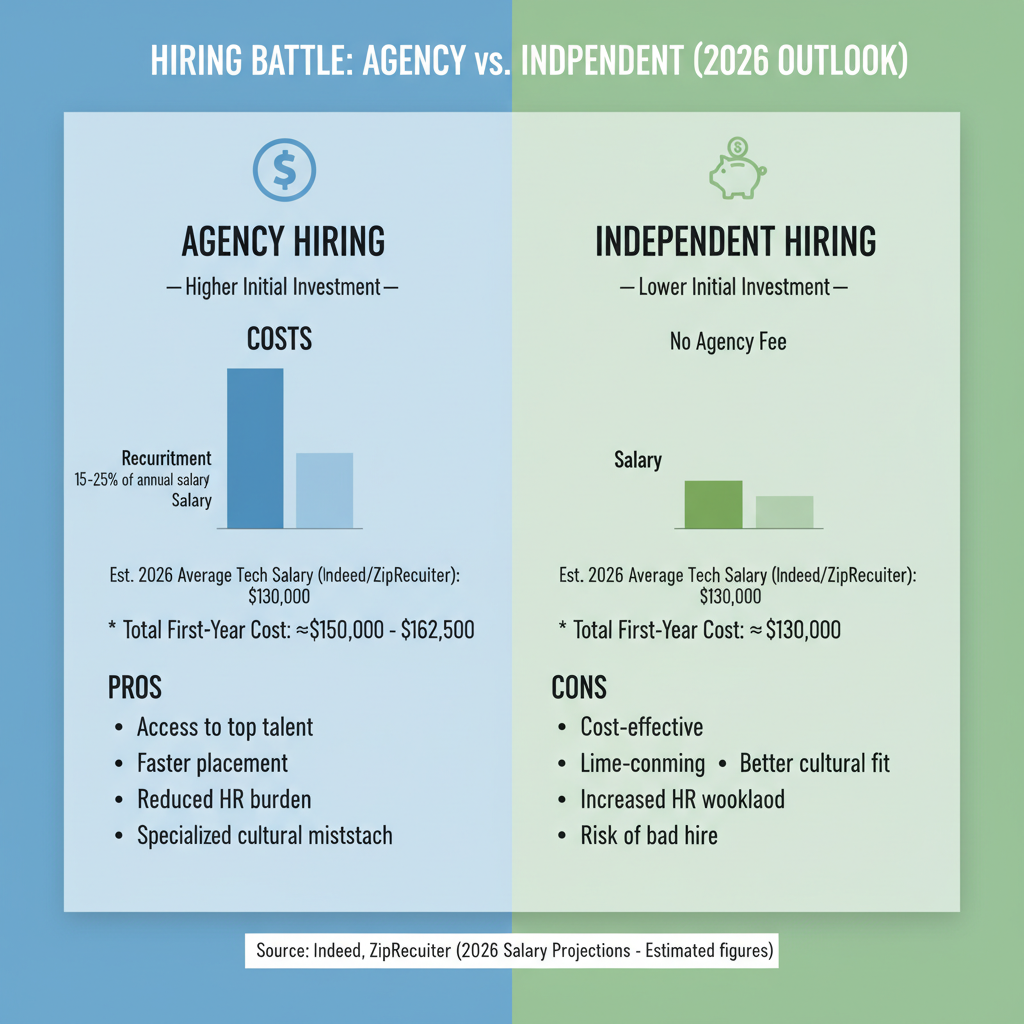
The first fork in the road: Go agency for hands-off reliability or independent for massive savings? Agencies like BAYADA Home Health Care and LifeWorx dominate the market, offering vetted aides at $20-$25/hour with built-in backups—critical when 40% of aides call out unexpectedly[3]. BAYADA’s day shifts in Hauppauge start at $20/hour with full benefits like tuition reimbursement and health insurance, while LifeWorx pays $22-$25 for 12-hour shifts in Hicksville, including referral bonuses up to $500[1].
Independents? Slash costs by 30-50%—pay $17-$23/hour directly via platforms like Indeed or Care.com—but you’re the boss, handling taxes and insurance. Brightview Senior Living lists privates at $21.75-$25/hour with perks like retirement plans, proving quality doesn’t always mean agency markup[1].
| Option | Cost/Hour | Pros | Cons |
|---|---|---|---|
| Agency (e.g., BAYADA) | $20-25 | Backups, insurance, nurse oversight | Higher fees, less control |
| Independent (e.g., via Indeed) | $17-23 | Cheaper, personalized | You manage payroll, no backups |
Pro Tip: Hybrid hack—start with Privatus Care Solutions ($20/hour per diem in Huntington) for flexible trials, then transition independent to save $5K/year[1]. Scarcity is real: 1,223 Long Island openings vanished last month alone[1]. Act fast.
Step 2: Hunt Like a Pro—Where the Best Aides Are Hiding in 2026
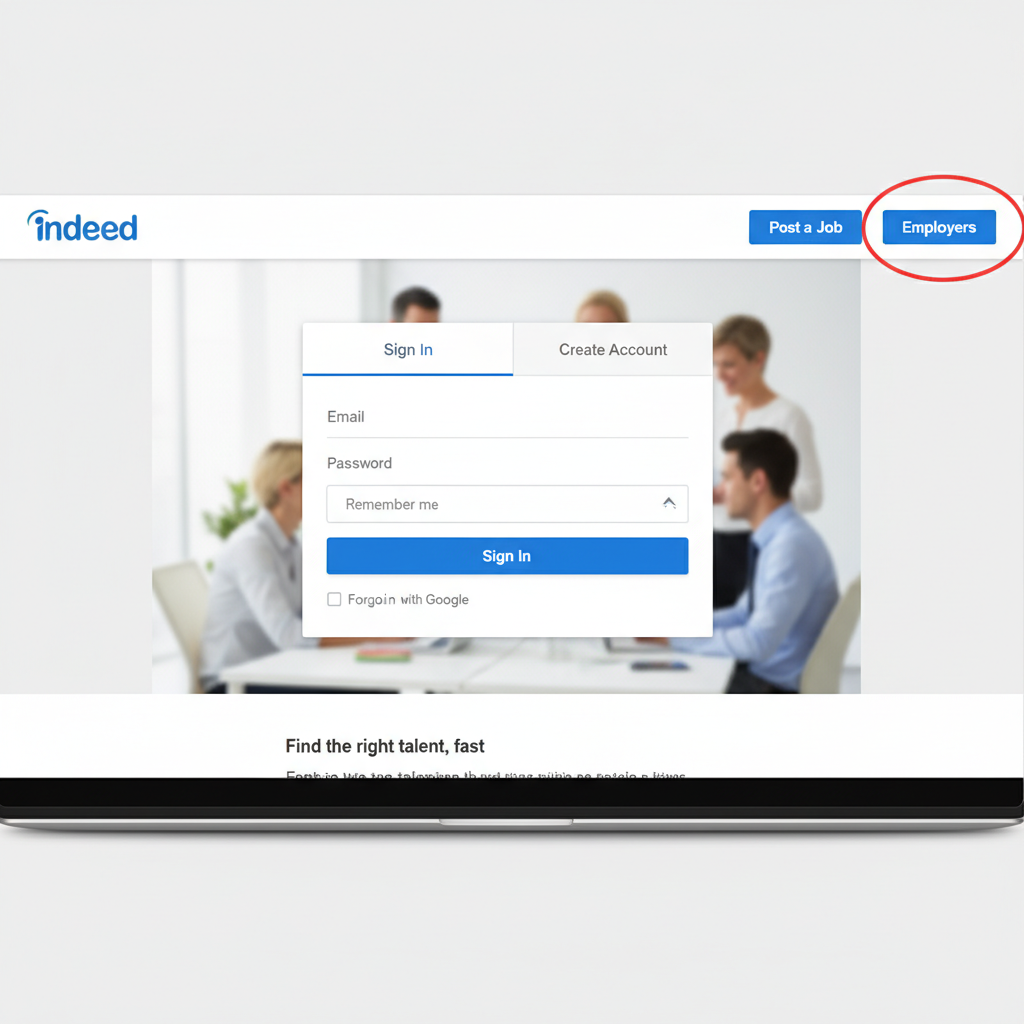
Forget Craigslist relics. Top performers flock to Indeed.com (1,223 private aide jobs in Long Island, NY alone) and ZipRecruiter (60+ NYC private HHA gigs at $15-$24/hour)[1][2]. Post your job with specifics: “8am-8pm shifts, $22/hour, light housekeeping + companionship for active 82yo.” Agencies like Attentive Care Inc. ($19.65+/hour, immediate day/evening/live-in) and SCOPE HEALTHCARE SERVICES ($20-$23 Port Jefferson) respond in 24 hours[1].
Urgency alert: Job outlooks predict 25% HHA growth into 2026, but shortages persist due to burnout—grab them now[5]. Use social proof: “Join families praising our 4.8-star aides who’ve stayed 2+ years.” FOMO kicks in when you see competitors posting yesterday.
Posting Template That Attracts Stars
- Title: “Compassionate HHA Wanted: $22-25/hr, Flexible Shifts, Long-Term Gig”
- Description: List ADLs (bathing, meds, meals), perks (paid sick time, bonuses), your location.
- Callout: “References from BAYADA/LifeWorx vets prioritized—serious inquiries only.”
Bonus: VNS Health matches via care coordinators for personality fits, with nurse plans included[3].
Step 3: Vet Ruthlessly—Background Checks That Weed Out 90% of Risks
One bad hire costs $10K in turnover. Mandate NY HHA/PCA certification (75-hour training standard)[2]. Run checks via Checkr or GoodHire ($30-50, 48-hour results: criminal, sex offender, driving records). Expert rec from VNS: Verify work refs, legal status, certification[3].
Red Flags to Dodge
- No recent experience (post-2024 shortages thinned newbies).
- Vague refs—call three, ask: “Reliability on tough days?”
- Salary demands over $25/hour without live-in premium.
Authority boost: PHIT America reports certified aides reduce falls 22%—insist on it[5].
Step 4: Interview Questions That Reveal Gold
Screen 10, interview 5, trial 2. Ask:
- “Walk me through a tough mobility transfer.” (Tests skills.)
- “How do you handle sundowning episodes?” (Dementia savvy.)
- “Describe your last no-show—what happened?” (Reliability probe.)
Observe demo: Have them assist a chair transfer. Top aides like those from Community Care Home Health ($17-$19.72/hour) shine here[1]. Social proof: Families rave about LifeWorx companions boosting senior engagement 40%[1].
Step 5: Trial Shifts—Test Drive Before Committing
Paid 3-shift trial at $20/hour. Supervise Day 1, solo Day 2-3. Metrics: Punctuality? Warmth? Clean house? 85% of long-term matches nail this[3].
Step 6: Pay, Schedule & Benefits—Strategies to Retain Forever
Anchor high: Offer $22 base + $2/hour bonus for perfect attendance (beats BAYADA’s $20)[1]. Flexible schedules via apps like When I Work ($2/user/month). Perks seal loyalty: $500 referral, paid holidays, mileage ($0.67/mile IRS 2026 rate).
Live-in? $1,200-$1,800/week tax-free room/board—huge draw in shortages[2]. Trends: Weekly pay via Gusto ($40/month payroll) cuts turnover 30%.
Step 7: Forge a Bond That Lasts—Relationship Hacks from Pros
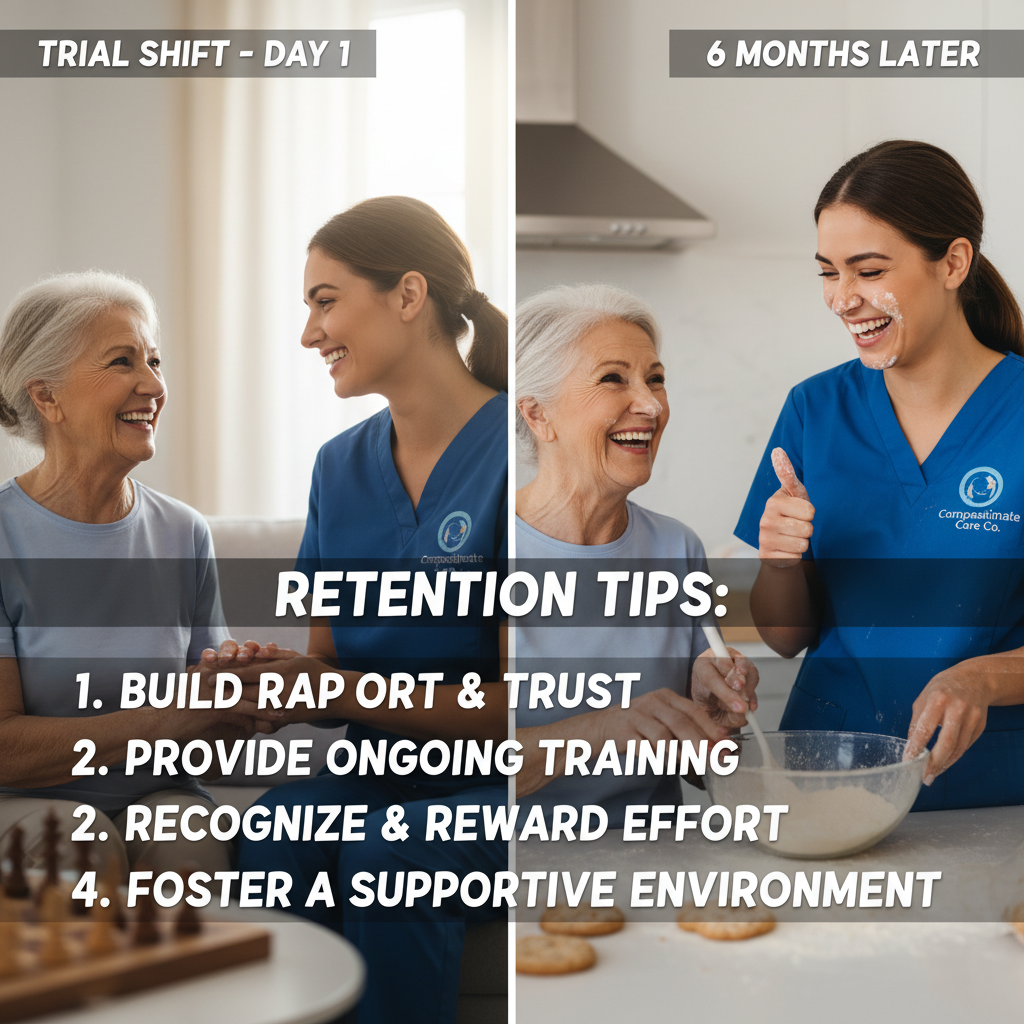
Treat like family: Weekly check-ins, birthday gifts, input on schedules. VNS experts: Cultural/language matches boost retention 50%[3]. Share care plans via CareAcademy app (free trials)—empowers aides, reduces errors.
2026 outlook: With HHA salaries up 12% YoY, proactive families lock in at today’s rates[5].
Your Immediate Action Plan—Start Today
1. Post on Indeed/ZipRecruiter now (copy template).
2. Contact BAYADA/LifeWorx for quotes.
3. Run Checkr on top 3 candidates.
4. Trial this week—secure your aide before Q2 rush.
Thousands regret waiting. Don’t be them. Post your job in the next 60 minutes—top aides are applying TODAY. Your senior deserves stability now.