Every caregiver’s nightmare isn’t a missed step goal—it’s the 20 minutes when you don’t know where your loved one is, whether they’ve fallen, or who is getting to them first. Modern wrist tech finally solves that problem, but not all “smart” watches are built for senior safety.
This 2026 guide walks you through how to choose a wrist-worn safety watch that quietly handles the scary stuff—GPS tracking, 24/7 monitoring, fall detection, and fast response—while still looking like everyday tech.
Why a Normal Smartwatch Isn’t Enough Anymore
Most consumer smartwatches (like Apple Watch or Samsung Galaxy Watch) focus on fitness, notifications, and basic SOS features. They can call 911 or text an emergency contact, but they usually:
- Don’t come with a **professional monitoring center** by default
- Rely on the senior being conscious and able to tap the screen
- Require ongoing configuration, app management, and phone pairing
By contrast, dedicated senior-focused safety watches combine **GPS tracking, 24/7 monitoring agents, and fall detection** in one subscription. According to recent 2025–2026 testing from senior-care experts, the top performers now average **sub-30-second response times** and highly accurate GPS location—even when the wearer is away from home.[1][3]
Bottom line: if you’re worried about wandering, dementia risk, or falls, you want a watch that talks directly to trained agents and pinpoints location for first responders—not just a fitness gadget.
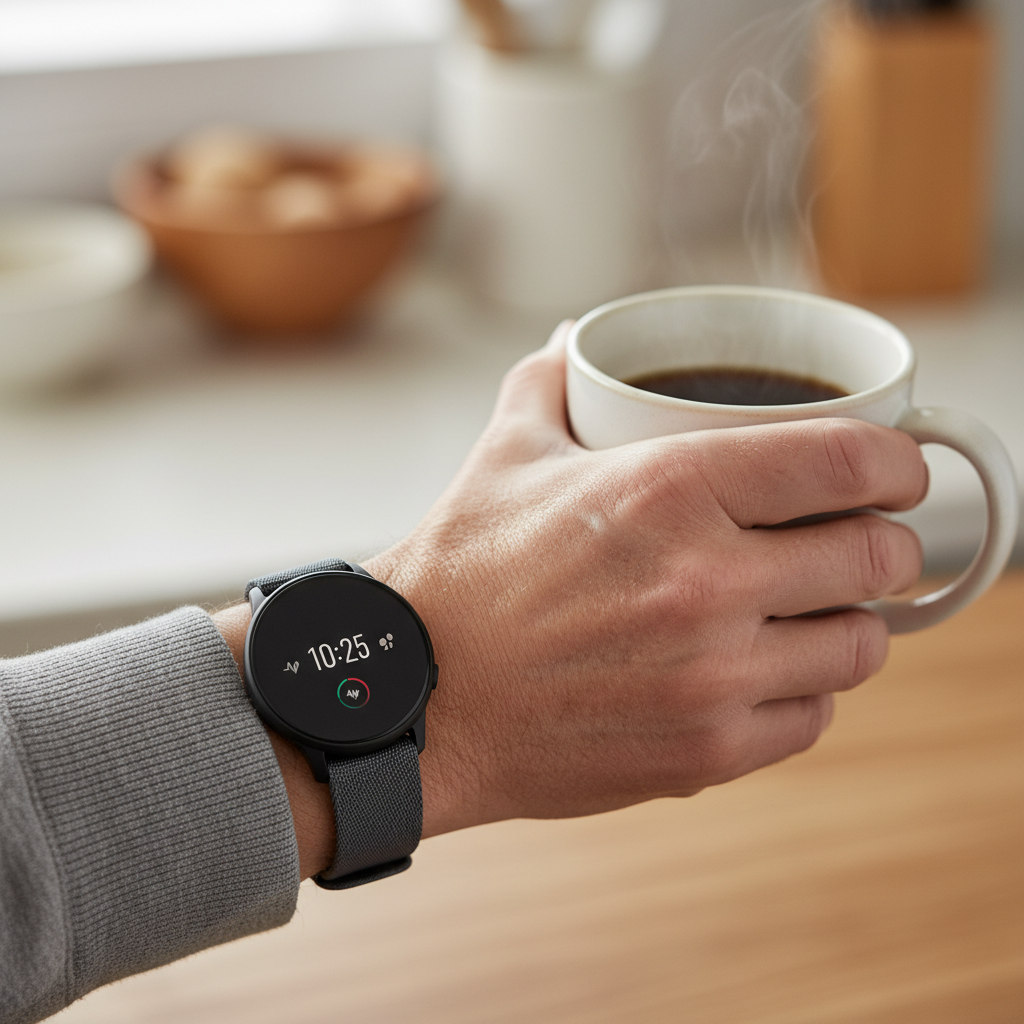
[IMAGE: Close-up of a modern, discreet medical alert watch on an older adult’s wrist while holding a coffee mug, looking like a normal smartwatch.]
The 3 Big Decisions Before You Pick a Watch
1. How much “help” will the senior tolerate?
Some older adults love tech and will happily swipe through menus. Others want one big button and zero learning curve. In 2026 testing, devices like **Bay Alarm Medical’s SOS Smartwatch** were praised for a very simple interface and loud speaker, while the **Medical Guardian MGMove** appealed more to active users comfortable with touchscreens and extra features.[1][2]
Action step: Be brutally honest: is your loved one tech-averse, tech-neutral, or tech-enthusiastic? That answer alone rules out 30–40% of the market.
2. Do you want a monitoring center—or DIY?
There are two paths:
- Monitored watches (like MGMove, Bay Alarm SOS, WellBe, Medical Care Alert Smart Watch) connect to a 24/7 call center that can dispatch EMS, contact family, and stay on the line until help arrives.[1][2][3][4]
- DIY smartwatches (like Apple Watch or Samsung Galaxy Watch) usually alert 911 or your emergency contacts but do not come with trained agents unless you add a separate service.[1][2]
Recent independent testing shows monitored devices can connect to an agent in **10–30 seconds on average**, which is crucial during strokes, heart events, or serious falls.[1][3]
3. How important is live GPS tracking for caregivers?
Not every system shares GPS data with family. Some, like the **MGMove with its MyGuardian app**, offer detailed location tracking for caregivers, while others primarily share location with the monitoring center.[1][2]
If wandering or elopement is a concern (early dementia, memory issues), prioritize devices that include a **companion caregiver app** with real-time GPS.
2026’s Standout Wrist Safety Platforms (By Use Case)
Below are wrist-worn systems repeatedly recommended by senior-care experts in 2025–2026 reviews and hands-on tests.[1][2][3][4]
1. For Active Seniors Who Still Hike, Golf, and Travel
Best fit: Independent, on-the-go adults who want safety without looking “old.”
What to look for:
- Fast response times (under 60 seconds; top performers around 10–30 seconds)[1][3]
- Accurate GPS that works beyond home Wi-Fi
- Comfortable, discreet design and water resistance
- Battery life that reliably covers a full day out (20+ hours)[1][3]
Recent expert tests highlight watches like the **Medical Guardian MGMove**, which combines **advanced GPS (GPS + Wi-Fi + LTE)**, 24/7 monitoring, step tracking, and caregiver app access.[1][2][3] In 2026 testing, it earned “Best Overall” for being user-friendly, reliable, and fast to connect to help.[3]
Another active-lifestyle option is the **Bay Alarm Medical SOS Smartwatch**, which earned top ratings for simplicity, loud audio, and reliable GPS at a slightly lower monthly price.[1][2]
Price anchors (typical 2025–2026 pricing):
- MGMove: around **$199–$199.95 upfront** with monitoring from **about $39.95/month**, higher with fall detection.[1][2]
- Bay Alarm SOS: around **$159–$199 equipment** with monitoring from roughly **$34.95–$39.95/month**; fall detection on premium plans.[1][2]
2. For Seniors at Dementia or Wandering Risk
Best fit: Adults who may forget directions, get disoriented, or leave home unexpectedly.
Non‑negotiables:
- Reliable GPS with nationwide LTE coverage
- Caregiver app for live location lookups
- Simple, one-touch help button
- Option for geofencing alerts (if available) or frequent check-ins
Devices like **MGMove** are strong here because caregivers can see location through the MyGuardian app, while trained agents get precise GPS data to direct first responders.[1][2][3] Some systems, such as the **Medical Care Alert Smart Watch**, also focus on GPS plus fall detection while presenting as a normal smartwatch, which can reduce stigma and increase wear time.[4]
Pro tip (compliance hack): Frame the watch as a “fitness and travel watch” instead of a “medical alert,” especially for loved ones who resist anything that signals frailty.
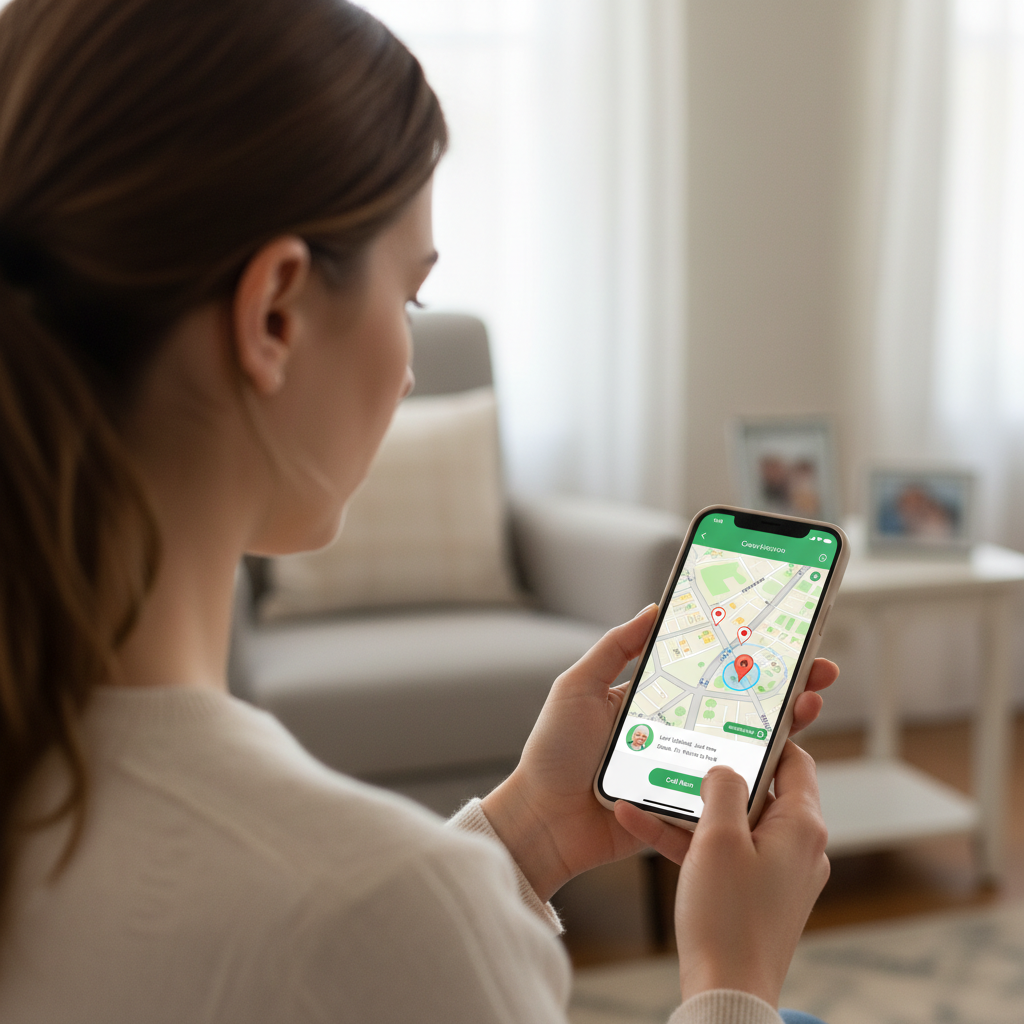
[IMAGE: Daughter using a caregiver app on her phone showing a map with her parent’s GPS watch location.]
3. For Tech-Averse Seniors Who Hate Gadgets
Best fit: “I just want one big button” personalities.
In 2026 roundups, the **Bay Alarm Medical SOS Smartwatch** is repeatedly praised as the **most user-friendly**: no smartphone pairing required, clear screen, few menus, loud speaker, and straightforward 24/7 monitoring.[1][2] The design looks like a normal watch, which reduces resistance.
Other options, like the **WellBe Medical Alert Watch** from HandsFree Health, add health support and simple two-way communication while keeping the interface focused on a few core tasks.[2]
Action step: If your loved one resists new devices, prioritize watches reviewed as “simple interface,” “no phone required,” and “senior-friendly setup” in testing results—not just the cheapest plan.
4. For Budget-Conscious Families
Sticker shock is real: a $200 device plus $40–$50/month can feel steep—until you compare it to the cost of a single ER visit or assisted living placement.
That said, some platforms come in lower:
- Systems like **WellBe** often start around **$29.95/month**, with mid-range upfront device costs.[2]
- Some GPS watches from value-focused providers (such as **Medical Care Alert**) offer all-in coverage for roughly **“around $1 a day”** when averaged over plan options.[4][6]
Price anchoring tip: Calculate the yearly cost and compare it to one month of assisted living or in-home care. Many families realize a watch that prevents just one hospitalization effectively “pays for itself.”
5. For Very Tech‑Savvy Seniors Who Want Everything
If your loved one already uses an iPhone or Android comfortably, a mainstream smartwatch like **Apple Watch** or **Samsung Galaxy Watch** can be powerful when configured correctly. Recent senior-focused reviews highlight the **Apple Watch SE/Series** and **Samsung Galaxy Watch** as strong GPS performers with fall detection and emergency contacts.[1][2]
However, remember:
- These usually **don’t include 24/7 professional monitoring**; they rely on 911 or contacts.[1][2]
- There may be **extra cellular plan fees** for standalone use.[2]
- Setup is more complex and ongoing updates are needed.
For a tech‑savvy 70-year-old marathoner, that might be acceptable. For a frail parent with cognitive decline, it’s often not enough.
How to Shortlist Your Top 2–3 Options in One Evening
Instead of getting stuck comparing 20 devices, do this:
Step 1: Define the “must-haves” in writing
Pick your non-negotiables:
- 24/7 professional monitoring (yes/no)
- Automatic fall detection (yes/no)
- Caregiver GPS app access (yes/no)
- Max monthly budget (e.g., under $40, under $50)
Cross out any device that doesn’t meet all four.
Step 2: Match one profile below
- Active & tech‑comfortable: Look closely at systems like MGMove or similar GPS+monitoring watches reviewed as “best for active seniors.”[1][2][3]
- Tech‑averse & forgetful: Focus on “most user-friendly” watches like Bay Alarm’s SOS or simple-UI models with monitoring.[1][2]
- Budget-sensitive but safety‑focused: Consider mid-range systems like WellBe or value GPS offerings from Medical Care Alert and similar providers.[2][4][6]
Step 3: Call the provider—and test their support
Before you buy, call their sales or support line. You’re checking for:
- How quickly a human answers
- Whether they explain fall detection, GPS accuracy, and cancellation terms clearly
- Willingness to walk you through caregiver app setup
The phone experience you get today is a preview of the experience your loved one will have on their worst day.
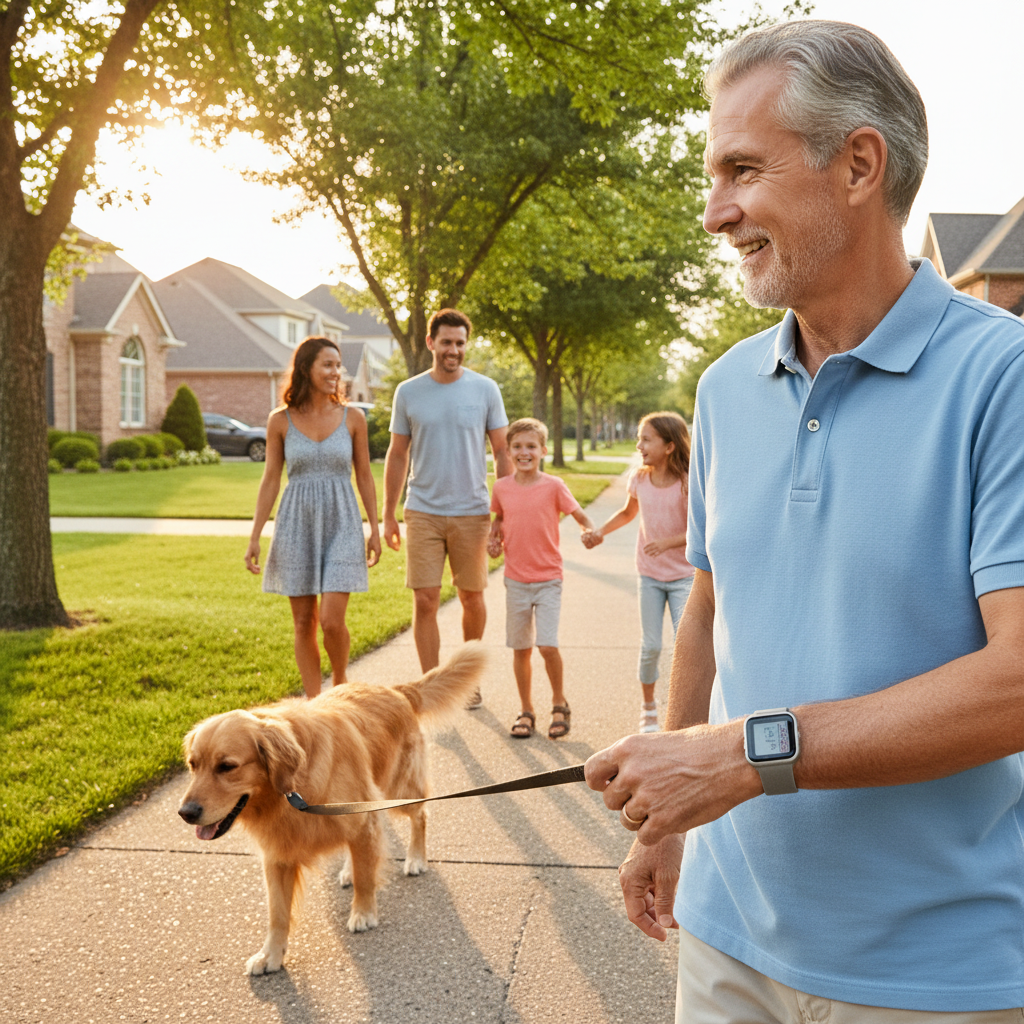
[IMAGE: Elderly man walking his dog outside, wearing a discreet GPS medical alert watch, with family members smiling behind him.]
Your Next Move: Lock In Safety Before the “What If” Becomes “Too Late”
Every month you wait is another month of unprotected walks, showers, and solo errands. The good news: in 2025–2026, senior‑oriented wrist safety tech has matured—faster response times, better GPS, simpler interfaces, and more caregiver tools than even a few years ago.[1][2][3][4]
Here’s what to do tonight:
- Write down your must-haves (monitoring, fall detection, GPS sharing, budget).
- Match your loved one to a profile: active, tech‑averse, wandering risk, or tech‑savvy.
- Shortlist 2–3 watches that fit your profile and price range.
- Schedule a 15‑minute call with each provider to compare response times, GPS coverage, and cancellation policies.
Within 48 hours, you can move from “I hope they’re okay” to “I know someone will be with them in under a minute—wherever they are.” That peace of mind is the real value of a GPS‑enabled safety watch, and in 2026 it’s more accessible, more accurate, and more discreet than ever.