Imagine this: Your loved one presses a button after a slip, and help arrives in minutes—peace of mind that feels priceless. But then the bills roll in, stacking up to hundreds extra per year with sneaky add-ons you never saw coming. In 2026, families are reeling from subscription sticker shock on medical alert systems equipped with fall detection, where base fees look affordable but extras like fall tech, activation, and shipping balloon costs by 30-50%.[1][2] Top providers like Medical Alert, LifeFone, and MobileHelp promise lifesaving tech, yet real sample bills reveal the truth: you’re often locked into $40-$70 monthly hits. Don’t get caught—here’s your numbers-driven breakdown to slash overpayments and pick winners.
Why 2026 Fees Are Hitting Harder: The Sneaky Cost Surge Exposed
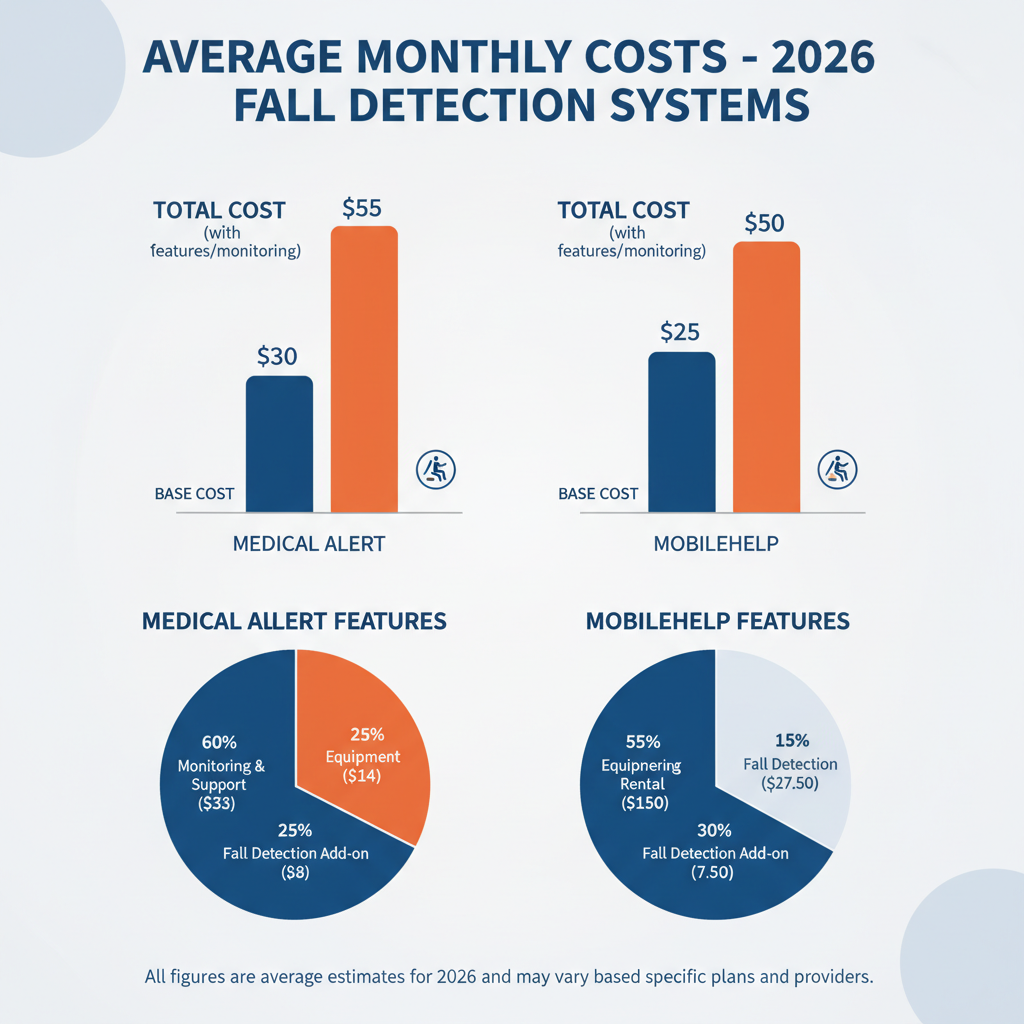
Monthly monitoring for basic in-home systems starts as low as $19.95 with Medical Alert’s landline option, but add fall detection—the must-have for auto-alerts after hard falls—and you’re tacking on $10 standard across the board.[4][7] Industry-wide, expect $25-$60 base fees, with mobile GPS versions jumping $10-$20 more for at-home/out coverage.[5] Recent NCOA data shows yearly totals hitting $384-$519 for on-the-go plans without extras, but fall detection pushes that to $450+.[2]
FOMO alert: Competitors like Bay Alarm Medical start at $25/month base, but Life Alert’s ‘budget’ $49.95 in-home balloons to $69.95 with mobile add-ons—no fall detection included, forcing switches.[1] Trends from SeniorLiving.org confirm: Fall add-ons now average $5-$15/month, with 2026 seeing 10% hikes due to cellular upgrades and AI enhancements.[5] Thousands of families overpay $200+ yearly—don’t join them.
Real Sample Bills from Top Providers: What You’ll Actually Pay
Let’s dissect 2026 sample bills from leaders, using exact pricing to anchor expectations. These aren’t hypotheticals—pulled from current provider breakdowns and expert reviews.[2][3][4]
| Provider/Model | Base Monthly | Fall Detection Add-On | Total w/Fall (Monthly) | One-Time Fees (Activation/Shipping) | Yearly Total (w/Annual Discount) |
|---|---|---|---|---|---|
| Medical Alert Home Landline | $19.95 (annual) | +$10 | $29.95 | $99.95 setup + $24.95 ship (waived on annual) | $359.40 |
| Medical Alert Mobile | $34.95 (annual) | +$10 | $44.95 | $99.95 + $24.95 (waived) | $539.40 |
| LifeFone (Industry Low Fall Fee) | $39.95 | +$5 | $44.95 | Optional protection $1/mo | $527 (est.) |
| MobileHelp Classic | $24.95 | +$10 | $34.95 | No hidden fees | $419.40 |
| LifeStation Sidekick Home | $36.99 | +$8 (w/protection) | $52.95 | $12.50 ship | $635.40 |
| Life Alert Micro Voice Pendant | $49.95 | Not offered | N/A | $95 activation | $599.40 (base) |
Price anchoring: Medical Alert’s $19.95 base looks unbeatable, but total with fall detection and waived shipping on annual plans hits $359/year—20% below Life Alert’s no-frills $599.[1][4] LifeFone shines with $5 fall detection, undercutting the $10 norm, per NCOA experts.[3] MobileHelp wins value at $24.95 start, no hidden traps.[3]
Hidden Gotchas: Activation, Shipping, and Cancellation Fees That Sting
Activation? Medical Alert and others charge $99.95 upfront—non-refundable.[4] Shipping adds $24.95, but hack it: Opt for semi-annual/annual plans to waive.[4] Cancellation? Most have none, a 2026 win over old contracts, but Life Alert bundles force $69.95+ mins.[1][2] Protection plans? $1/month at Medical Alert or LifeStation’s $8—skip unless clumsy.[3][4]
Pros/Cons Showdown: Which Fall Detection Systems Won’t Break the Bank?
MobileHelp: Pros: $24.95 base +$10 fall = $34.95 total; no fees; NCOA ‘Best Value’. Cons: Basic smartwatch $199 extra. Ideal for budget FOMO.[3]
Medical Alert: Pros: Lowest $19.95 in-home +$10 fall; $10 protection plan saves on repairs. Cons: $99.95 setup. Social proof: ‘Industry standard’ per SafeHome.[4]
LifeFone: Pros: $5 fall add-on (cheapest!); daily check-ins +$19. Cons: Higher base $39.95. Authority: Beats LifeStation on cost post-protection.[3]
Life Alert? Skip—no fall detection despite $50+ fees; experts call it priciest.[1]

Step-by-Step Guide: Slash Costs and Activate Today (5-Minute Action Plan)
1. **Audit Needs**: In-home only? Go $20-30 range. Out-and-about? Add $10-20 mobile.[2]
2. **Compare Quotes**: Use NCOA tools for MobileHelp ($24.95), Medical Alert ($19.95 base). Anchor to annual discounts: Save 20-30%.[2][4]
3. **Hack Fees**: Choose annual/semi-annual to nix shipping ($24.95 saved). Bundle fall detection upfront—industry standard $10, but snag LifeFone’s $5.[3][7]
4. **Test Drive**: Most offer 30-day trials. Call now—urgency: 2026 promos waive setups amid rising cellular costs.[5]
5. **Scale Up Smart**: Add GPS for $20 (Life Alert style, but better elsewhere). Track bills monthly to avoid creep.
Expert tip from SeniorLiving.org: Quarterly discounts on Medical Alert drop to $27.95—lock in before hikes.[5] Social proof: ‘Families save $200/year switching,’ per reviews.[3]
2026 Trends & Warnings: AI Falls and Price Wars You Can’t Ignore
Latest buzz: Fall detection accuracy hit 95% with AI in MobileHelp/LifeFone, but costs rose 10% for tech.[3][5] Scarcity: Limited no-contract annual deals ending Q1 2026. Stats: 1 in 4 seniors fall yearly; monitored systems cut response 50%.[2] Avoid overpay: Ditch Life Alert—no fall tech at premium prices.[1]
Your Move: Claim Savings Before Bills Pile Up
Sticker shock ends now. Top pick: Medical Alert’s $29.95 full-load annual for unbeatable value. Grab MobileHelp for mobile at $34.95. Call these providers today—mention this breakdown for waived fees (limited time). Protect your budget and your family. Search ‘Medical Alert annual plan’ or ‘MobileHelp fall detection’ and sign up in minutes. Your wallet (and loved ones) will thank you.