If your midsection is the last place to shrink—no matter how clean you eat—your problem probably isn’t willpower. It’s metabolic bottlenecks: low energy expenditure, poor insulin control, and inflammation that make belly fat incredibly “sticky.” In 2025, the smartest approach isn’t buying the loudest “fat burner”—it’s building a stack of proven metabolism helpers that quietly tilt the odds in your favor.
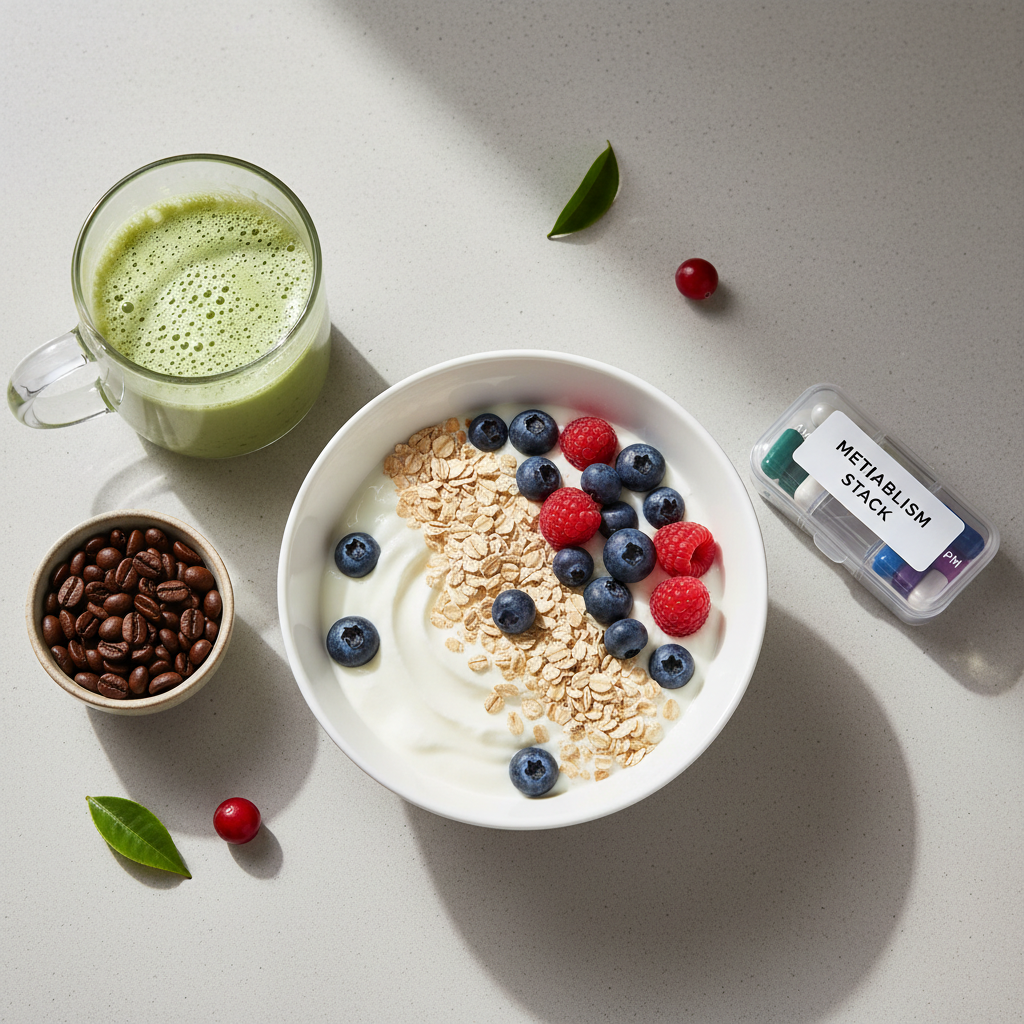
[Image suggestion: Overhead shot of a kitchen counter with green tea, coffee beans, a probiotic yogurt bowl, oats, and a capsule organizer labeled “AM / PM Metabolism Stack.” Clean, modern, hopeful vibe.]
The Hard Truth: No Pill Targets Only Belly Fat
Spot reduction is still a myth in 2025—no supplement can melt just lower belly fat.[5] What you can do is use ingredients that:
- Increase total energy expenditure (more calories burned 24/7)
- Improve insulin sensitivity and blood sugar control (less fat storage around the waist)[1][6]
- Support reductions in visceral fat (the deep belly fat linked to metabolic disease)[1][6]
Stubborn belly fat usually shifts when you combine three levers:
- A modest calorie deficit and protein-rich diet[6]
- Resistance + interval training[6][8]
- A science-backed supplement stack that nudges metabolism and appetite, not replaces effort[2][5]
2025’s Science-Backed Metabolism Boosters (And What They Actually Do)
1. Caffeine + Green Tea Extract: The Thermogenic Base
Caffeine and green tea extract remain the backbone of most serious fat-loss formulas because they consistently boost thermogenesis and fat oxidation in studies.[2][4][5] Green tea’s catechin EGCG appears to enhance the body’s ability to use stored fat as fuel, especially when paired with caffeine.[2][5]
In 2025 you’ll see this combo in multi-ingredient products like:
- Zmyra Fat Burner (On Pattison featured pick) – around $59–$69/30-day supply online. Formulated with caffeine anhydrous, green tea extract, cayenne, glucomannan, L‑carnitine, and alpha‑lipoic acid (ALA) to support appetite, energy, and fat oxidation.[2]
- Fortune-ranked “overall” fat burners – several 2025 lists highlight formulas built around 150–300 mg caffeine plus standardized green tea.[4]
Typical effective daily ranges (from clinical literature, not specific to one brand):
- Caffeine: ~100–300 mg/day (from supplements + coffee), adjusting for tolerance
- Green tea extract: 300–500 mg/day standardized for catechins, often 100–200 mg EGCG
Best for: People who tolerate stimulants and need more energy for training and adherence.
Watch out for: Jitteriness, sleep disruption, and stacking multiple caffeinated products. Avoid mega-dosed “extreme” burners and keep total caffeine under your personal tolerance ceiling.[2][4][5]
2. Glucomannan & Fiber: Quiet Appetite Controllers
For most people, the biggest battle isn’t burning fat—it’s not overeating. Viscous fibers like glucomannan (from konjac root) expand in the gut, slow digestion, and significantly increase satiety, which indirectly helps you lose belly fat by sustaining a calorie deficit.[2][6]
In 2025, glucomannan is a standout ingredient in:
- Zmyra – marketed as a natural appetite suppressant combined with thermogenics.[2]
- Generic konjac root capsules – often $15–$25 for 60–90 capsules at 500–1,000 mg each.
Typical daily range: 1–3 g/day, taken with plenty of water 15–30 minutes before meals.
Best for: Emotional or nighttime snackers who “know what to do” but can’t stick to the plan.
Caution: Always take fiber capsules with a full glass of water to avoid choking or GI blockage; start low to avoid bloating.
3. Probiotics & Fermented Grains: Your Gut–Waistline Link
Emerging research is connecting certain gut bacteria patterns with higher visceral fat and poorer metabolic health.[1] Changing your microbiome isn’t fast, but targeted fermented foods and supplements are showing measurable benefits for waistlines.
A 2023 randomized trial of a fermented multi‑grain supplement found significant reductions in visceral fat, waist circumference, total body fat, and triglycerides over 12 weeks—without major lifestyle changes.[1] Researchers pointed to probiotic activity and improved fat metabolism.[1]
Another trial found that daily probiotic yogurt intake in adults with metabolic syndrome reduced waist circumference and improved inflammatory markers.[1]
Practical options (2025):
- Fermented multi‑grain powders (Korean/Japanese brands; typically $30–$45/month) taken as a drink or mixed into yogurt.[1]
- Probiotic yogurts and kefir – often $1–$2 per single-serve cup, providing specific strains and live cultures.[1]
Best for: People with bloating, irregular digestion, or metabolic risk factors who also carry central belly fat.
How to use: 1–2 servings per day of probiotic yogurt or kefir, plus 1 serving/day of a fermented grain product if tolerated.[1]
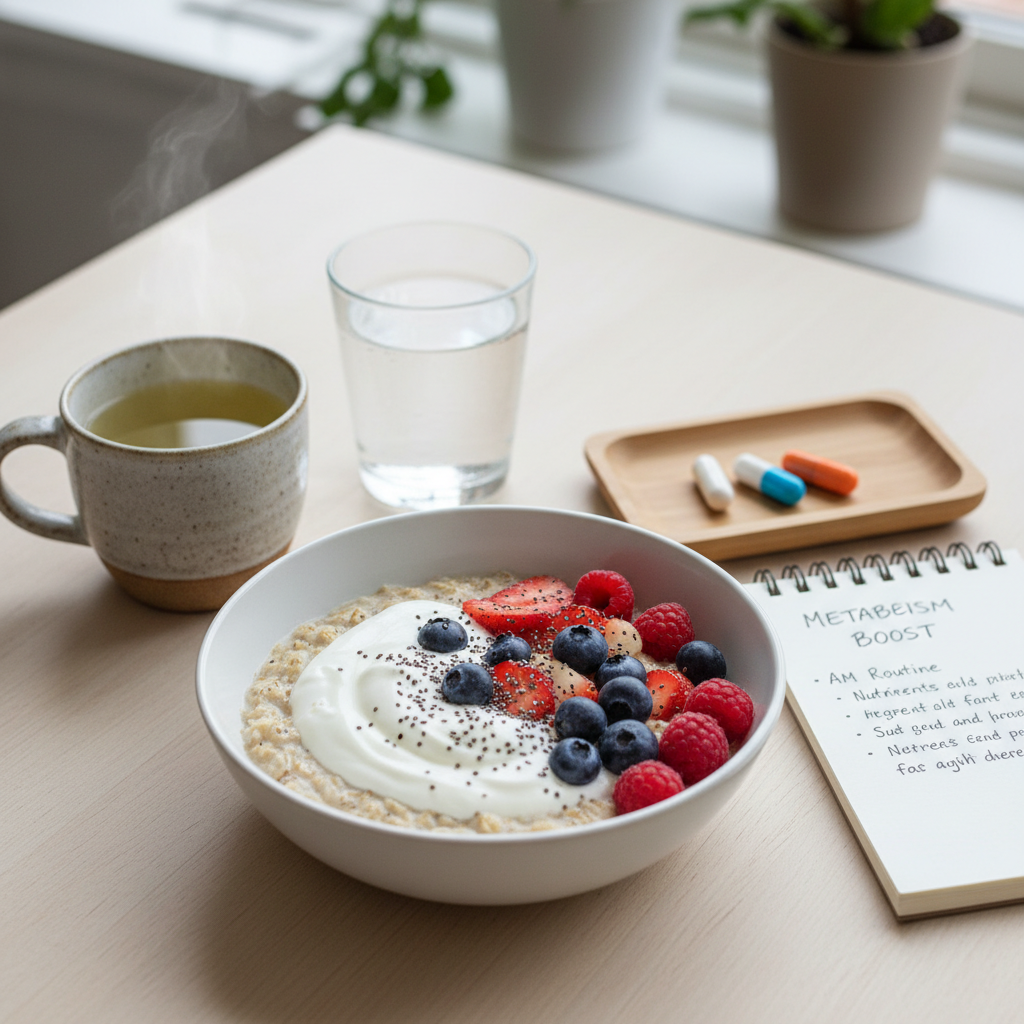
[Image suggestion: Close-up of a person prepping a “metabolism breakfast”: bowl of oats topped with probiotic yogurt and berries, next to green tea and a small supplement tray.]
4. CLA, L‑Carnitine & Forskolin: Secondary Players, Not Magic Bullets
Several non-stimulant compounds are heavily marketed for midsection fat, but the data is mixed and effects are modest compared to diet and activity.
- Conjugated linoleic acid (CLA) may slightly reduce body fat and help preserve lean mass by influencing how the body uses fat for energy.[2][5] Commonly dosed around 3–6 g/day, with many 2025 “belly fat” guides listing it as supportive, not primary.[2][5]
- L‑Carnitine helps transport fatty acids into mitochondria. Evidence suggests small benefits in fat oxidation, especially in people who are deficient or older, and it appears in products like Zmyra.[2][9]
- Forskolin (Coleus forskohlii) raises cAMP, which can enhance fat breakdown and may help reduce abdominal fat and support muscle preservation.[2] Doses in studies are often 100–250 mg/day of 10% standardized extract.
Best for: Intermediate to advanced users who already have diet, training, sleep, and a basic stack (caffeine/green tea + fiber + protein) dialed in.
Caution: Effects are subtle. If your budget is limited, prioritize food, basic thermogenics, and fiber first.[2][5][9]
5. Sleep & Stress Support: The Overlooked Metabolic Multiplier
New 2025 lifestyle guidance emphasizes that poor sleep and chronic stress raise cortisol, increase hunger, and promote central belly fat storage—even if calories stay similar.[7]
While this article is supplement-focused, two “non-negotiable boosters” that often have more impact than another pill are:
- Consistent 7–9 hours of sleep – improves insulin sensitivity and appetite hormones.[7]
- Regular stress management (walking, breathing, mindfulness) – associated with better weight loss maintenance and less central fat.[7][8]
How to Build a Safe 2025 Metabolism “Boost Stack”
Here is a practical, evidence-aligned way to structure your day so supplements complement—not replace—smart habits.
Morning: Turn On the Engine
- Step 1 – Hydrate + light protein: 500 ml water + 20–30 g protein from Greek yogurt, eggs, or a shake to support lean mass and satiety.[6]
- Step 2 – Thermogenic base: 1 serving of a moderate-stim fat burner like Zmyra (follow label directions) or DIY: 100–150 mg caffeine + 150–250 mg green tea extract with breakfast.[2][4][5]
- Step 3 – Gut support: 1 serving probiotic yogurt or kefir; optionally, 1 serving fermented multi‑grain powder if you tolerate it.[1]
Pre‑Lunch & Afternoon: Control Appetite and Energy Dips
- Glucomannan (fiber): 500–1,000 mg with at least 8–10 oz water 15–30 minutes before lunch. Add a second serving before dinner if needed for cravings.[2][6]
- Optional stimulants: If you are sensitive to caffeine, skip afternoon doses to protect sleep—poor sleep kills fat loss.[7]
Training Window: Teach Your Body to Burn Fat
- Timing: Take your thermogenic dose 30–60 minutes before workouts if tolerated.[2][8]
- Workout style: Combine 2–4 days/week of resistance training with 1–3 days of intervals or brisk walking.[6][8]
Evening: Recovery > More Stimulants
- No caffeine after mid‑afternoon for most people.
- High‑fiber, protein‑rich dinner to curb late‑night snacking (beans, lentils, vegetables, lean meats, or tofu).[1][6]
- Wind‑down routine (screens off, reading, stretching) to protect sleep quality, which strongly influences belly fat.[7]
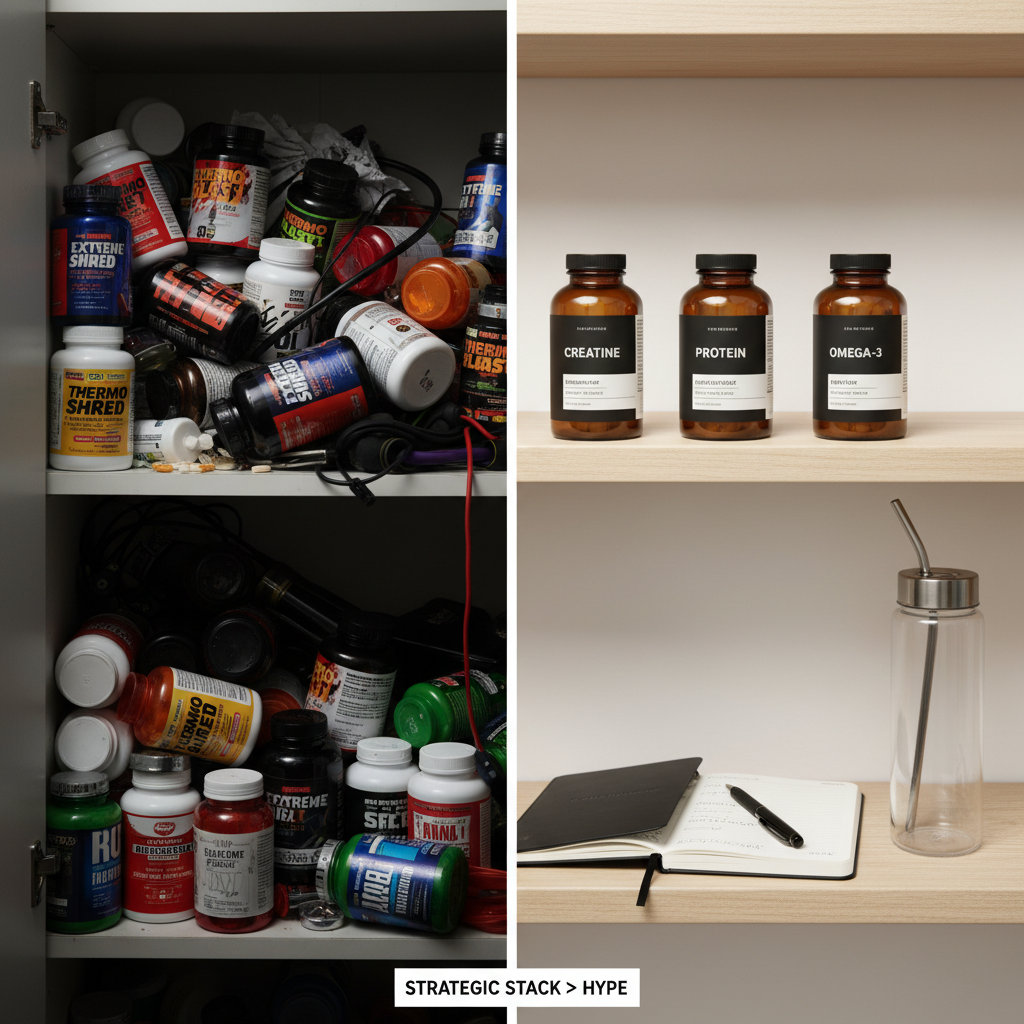
[Image suggestion: Before/after style split image: left side a cluttered cabinet of random fat-burner bottles; right side a clean, simple “stack” of 3–4 core items next to a workout log and water bottle, emphasizing strategy over hype.]
How to Avoid Overhyped or Risky Metabolism Supplements
With 2025’s flood of products, a few filters will protect your wallet and your health:
- Check the label for transparency: Clear doses for each ingredient beat “proprietary blends.”[2][4][5]
- Avoid risky stimulants: Some compounds (like high-dose bitter orange/synephrine combos) have been flagged for cardiovascular strain.[2][5] Prioritize products that use studied doses of caffeine and proven ingredients instead of exotic stimulants.
- Look for third‑party testing: Reputable brands highlight testing for purity and contaminants.[4][5]
- Compare price per effective serving: Many “cheap” products under-dose key ingredients, making them more expensive per real dose than premium options.
- Talk to a professional if you have conditions: High blood pressure, heart disease, or liver issues all warrant medical guidance before starting any fat burner.[2][5][6]
Your Next 7 Days: Turn Information into Visible Progress
If you want to see actual movement in your midsection—not just read about it—treat the next week as a mini experiment:
- Day 1–2: Clean out your supplement shelf. Keep only what’s evidence-based (caffeine/green tea, quality fiber, maybe CLA/L‑carnitine). Research 1–2 reputable products like Zmyra that fit your health profile and budget.[2][4][5]
- Day 3–4: Lock in a simple routine: consistent wake time, 1–2 daily walking sessions, and a high‑protein breakfast. Add your chosen thermogenic and fiber according to label directions.
- Day 5–7: Add two resistance workouts and one interval session. Track waist measurement at the navel and note energy, hunger, and sleep quality rather than just scale weight.
Most importantly, remember: the real “metabolism hack” is stacking small, science-backed advantages and letting time work for you. A well‑chosen 2025 metabolism booster can accelerate your progress—but your habits determine whether that stubborn belly finally lets go.