Most adults don’t need another gadget; they need a brake pedal. If your days are back-to-back meetings, doom-scrolling at midnight, and waking up more tired than when you went to bed, the right smartwatch can quietly become a burnout early‑warning system—and a recovery coach on your wrist.
Instead of counting steps, 2025’s best wearables quietly track sleep stages, stress, HRV (heart rate variability), and recovery/readiness scores and nudge you toward micro‑changes that actually move the needle on fatigue.

First: Know What You’re Solving (It’s Not Just ‘Being Tired’)
Research continues to link chronic workplace stress with shorter sleep, reduced deep sleep, and elevated nighttime heart rate—all classic burnout markers. Devices that track sleep staging (light, deep, REM), HRV trends, and stress load across the day give you a way to see that pattern instead of just feeling it.
In 2025, the standout watches for this kind of “burnout radar” are:
- Apple Watch Series 11 – About $399+. Advanced sleep tracking, HRV trends, new blood‑pressure monitoring (region‑dependent), and tight integration with mindfulness tools.[1][3]
- Apple Watch Ultra 3 – About $799. All of Series 11’s health features plus longer battery and more detailed training/recovery data—useful if you’re using exercise as your stress valve.[1]
- Samsung Galaxy Watch 8 – About $299+. Strong sleep tracking, stress monitoring, body composition, and Android‑friendly ecosystem.[1]
- Garmin Venu 4 / Fenix 8 Pro family – Typically $349–$899 depending on model. Garmin leans hard into HRV‑based readiness, sleep coaching, and long battery, ideal if you want deep data without daily charging.[2][3]
- Amazfit Active 2 – Around $99. Budget‑friendly yet still offers sleep, stress, temperature, and heart‑rate monitoring with multi‑day battery life.[1]
The Metrics That Actually Matter for Overworked Adults
1. Sleep Staging and Sleep Coaching
For burnout, raw “hours in bed” is almost useless. You want:
- Time in deep and REM sleep – Deep sleep is physical repair; REM is memory and emotional processing.
- Sleep consistency – Similar bed/wake times correlate with higher energy and better mood.
- Sleep efficiency – How much of your time in bed you actually spend asleep.
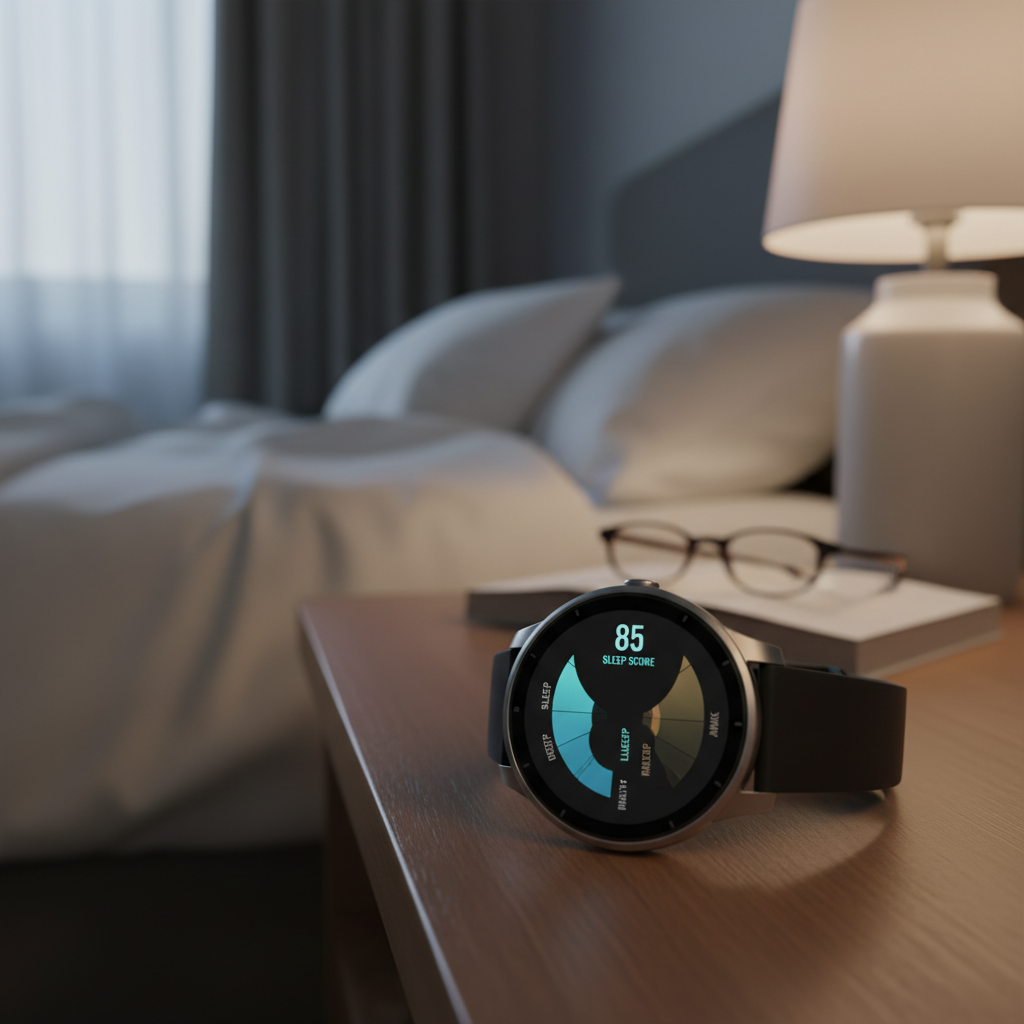
Garmin’s watches (like the Venu line and Fenix 8 Pro) provide a sleep score plus coaching that tells you why your score dropped—late caffeine, stress, late workout timing, or irregular schedule.[2][3] Apple Watch Series 11 and Ultra 3 use sleep stages and trends in the Health app and can highlight how changes in your schedule or bedtime routines affect your time in deep and REM.[1][3] Samsung Galaxy Watch 8 pushes detailed sleep reports, snore detection, and coaching within Samsung Health, giving Android users similar insights.[1]
2. HRV and Stress Tracking
HRV (heart rate variability) is one of the most powerful indicators you’re overdoing it: chronically low HRV often tracks with high stress, poor recovery, or impending illness.
- Garmin (Venu / Fenix / Forerunner lines) turns HRV into a Body Battery or readiness‑style score so you can see when you’re running on fumes—even if you feel “fine.”[2][3]
- Apple Watch Series 11 & Ultra 3 measure HRV and surface trends in the Health app; paired with mindfulness and sleep data, you can correlate “weeks of 9 p.m. Slack” with a clear HRV drop.[1][3]
- Samsung Galaxy Watch 8 uses all‑day stress tracking and HRV‑related metrics to show when your nervous system is stuck in “on” mode, pushing prompts for breathing or short breaks.[1]
3. Recovery / Readiness Scores
If you’re exhausted, you don’t need more numbers—you need a single, clear signal that today should be lighter.
- Garmin stands out here: devices like the Venu and Fenix lines combine sleep, HRV, and activity into readiness or Body Battery style indicators and give specific suggestions (e.g., “Focus on lighter activity today.”).[2][3]
- Apple Watch Ultra 3 leans into training load and recovery metrics, especially for people using structured workouts to manage stress.[1][3]
- Whoop 5.0 (subscription band rather than watch) is often cited for some of the most detailed strain and recovery guidance, but requires a monthly fee and lacks a typical watch display.[2][3]
4. Mindfulness Prompts and Micro‑Interventions
The best burnout‑fighting watch is the one that interrupts your stress loops in real time:
- Apple Watch taps your wrist when your heart rate spikes at rest, suggests breathing sessions, and logs mindfulness minutes you can track like a habit.[1][3]
- Samsung Galaxy Watch 8 sends nudges when your stress score rises and offers in‑app breathing exercises.[1]
- Garmin integrates alerts into its body battery/sleep ecosystem, nudging you to wind down earlier if your recovery is trending down.[2][3]

Which Watch Fits Your Burnout Profile?
1. “I Live in Email and Meetings” (iPhone Users)
If you’re deep in the Apple ecosystem and need a friction‑free experience:
- Best fit: Apple Watch Series 11 (~$399+). You get top‑tier heart rate accuracy, advanced sleep stages, HRV trends, and blood‑pressure monitoring support (where available), plus tight integration with Focus modes and calendar so your watch can help you defend downtime.[1][3]
- If you also train hard: Apple Watch Ultra 3 (~$799). More battery, brighter screen, and stronger training/recovery tools if you use long runs or rides as your stress outlet.[1]
2. “I’m on Android and Always ‘On Call’”
For Android power users balancing work chats and health:
- Best everyday balance: Samsung Galaxy Watch 8 (~$299+). Accurate fitness and health tracking, solid sleep analysis, all‑day stress monitoring, and the bonus of body composition data for those adjusting training and nutrition.[1]
- Alternative with huge battery: OnePlus Watch 3 (~$249+ depending on configuration). Up to 120‑hour battery, strong health tracking, and works with both iOS and Android if you worry about being locked in.[1]
3. “I’m Exhausted and Data‑Obsessed”
If you want lab‑style insights and don’t mind a more utilitarian look:
- Garmin Venu / Fenix 8 Pro series (roughly $349–$899 depending on model) are ideal. You get HRV status, morning reports, in‑depth sleep analysis, and body battery/readiness, with battery life that makes overnight tracking painless.[2][3]
- Whoop 5.0 (subscription) is strong if you only care about strain and recovery and don’t need apps or a watch screen.[2]
4. “I’m Burned Out, But Also on a Budget”
If premium prices add to your stress:
- Amazfit Active 2 (~$99) delivers multi‑day battery, sleep tracking, stress monitoring, blood oxygen, temperature, and heart‑rate tracking for a fraction of flagship prices.[1]
- For pure step‑counting and basic biometrics, bands like Samsung Galaxy Fit3 or Amazfit Band 7 offer bare‑bones but solid tracking for significantly less.[2]
Turn Data into Less Burnout: A 5‑Day Starter Plan
Day 1–2: Establish a Baseline
- Wear your watch 24/7, including sleep.
- Avoid changing habits yet; just log your normal work, workouts, and bedtime.
- Note your average sleep score, HRV trend, and any stress peaks across the day.
Day 3: Fix Just One Thing About Sleep
- Use your watch’s sleep summary to spot your weakest link (short total sleep, low deep sleep, or poor consistency).
- Change one variable: move bedtime 30 minutes earlier, cut screens 30 minutes before bed, or skip late caffeine.
- Tag this day in your watch app (as a note, tag, or journal) so you can see its impact later.
Day 4: Add 2–3 Micro‑Recovery Moments
- Turn on stress alerts or high heart‑rate alerts if they’re off.
- Every time your watch nudges you, do a 1–3 minute breathing or walk break.
- Use the mindfulness/breathing app to log at least two sessions during work hours.
Day 5: Align Workload with Readiness
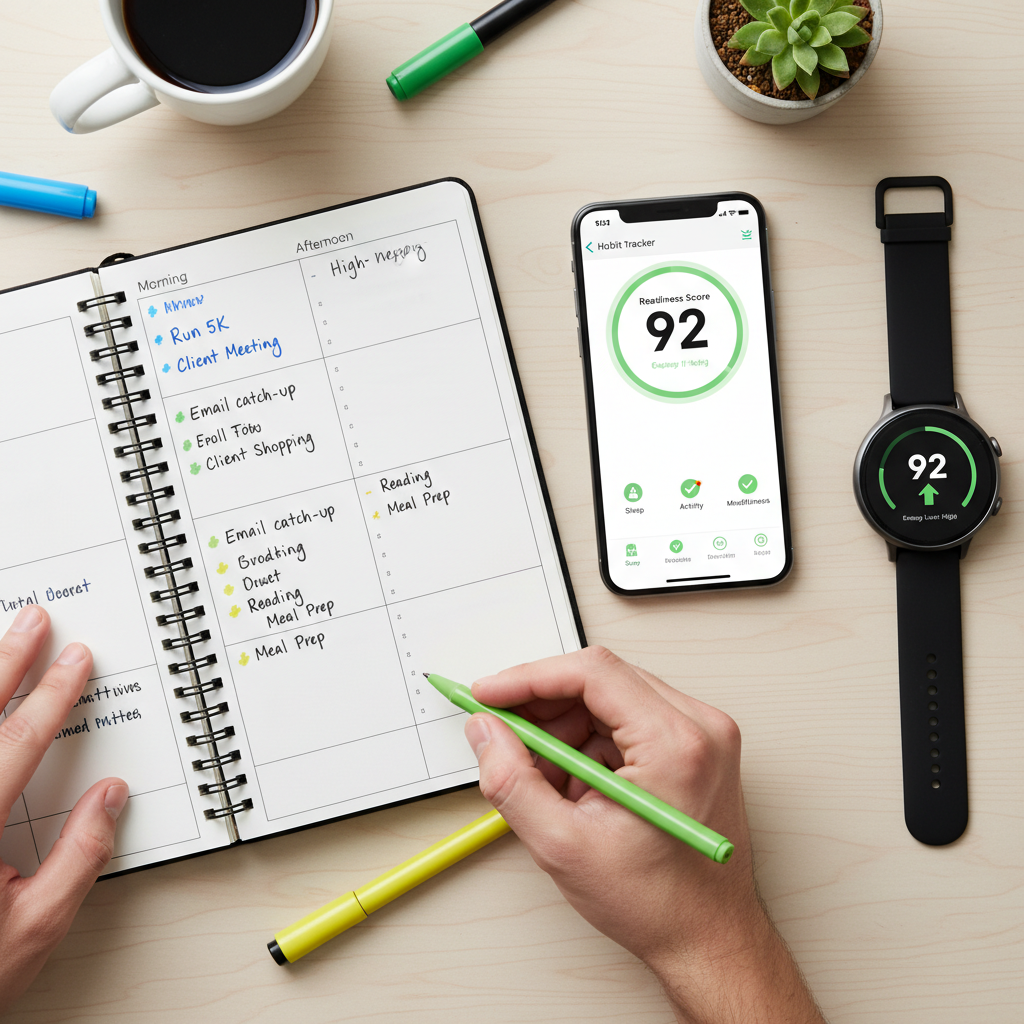
- Check your readiness/body battery or morning report before planning your day.
- If it’s low, intentionally scale down: shorter workout, no new major project commitments, aim for an earlier bedtime.
- Use calendar or Focus integrations (on Apple, Samsung, or Android) to block one non‑negotiable recovery window.

Don’t Wait for a Breakdown: Make Your Watch Your Boundary Coach
Burnout rarely arrives overnight; it creeps in as a slow drift in sleep quality, HRV, and stress that your smartwatch can see long before you crash. By choosing a device that excels at sleep staging, HRV, readiness, and real‑time mindfulness prompts, you turn a piece of tech into an always‑on ally that pushes you toward rest instead of just more notifications.
If you’re in the Apple world and want a polished, all‑round health companion, lean toward the Apple Watch Series 11 or Ultra 3.[1][3] On Android, a Samsung Galaxy Watch 8 or a Garmin with strong HRV/readiness tools can quietly rebuild your energy while you work.[1][2][3] And if budget is tight, an Amazfit Active 2 still gives you the core sleep and stress data you need to start pulling back from the edge.[1]
Pick the device that fits your ecosystem and budget, commit to wearing it for sleep and stress, and use its nudges as a hard line between “always on” and “healthy enough to keep going.” Your future, less‑frazzled self will thank you.