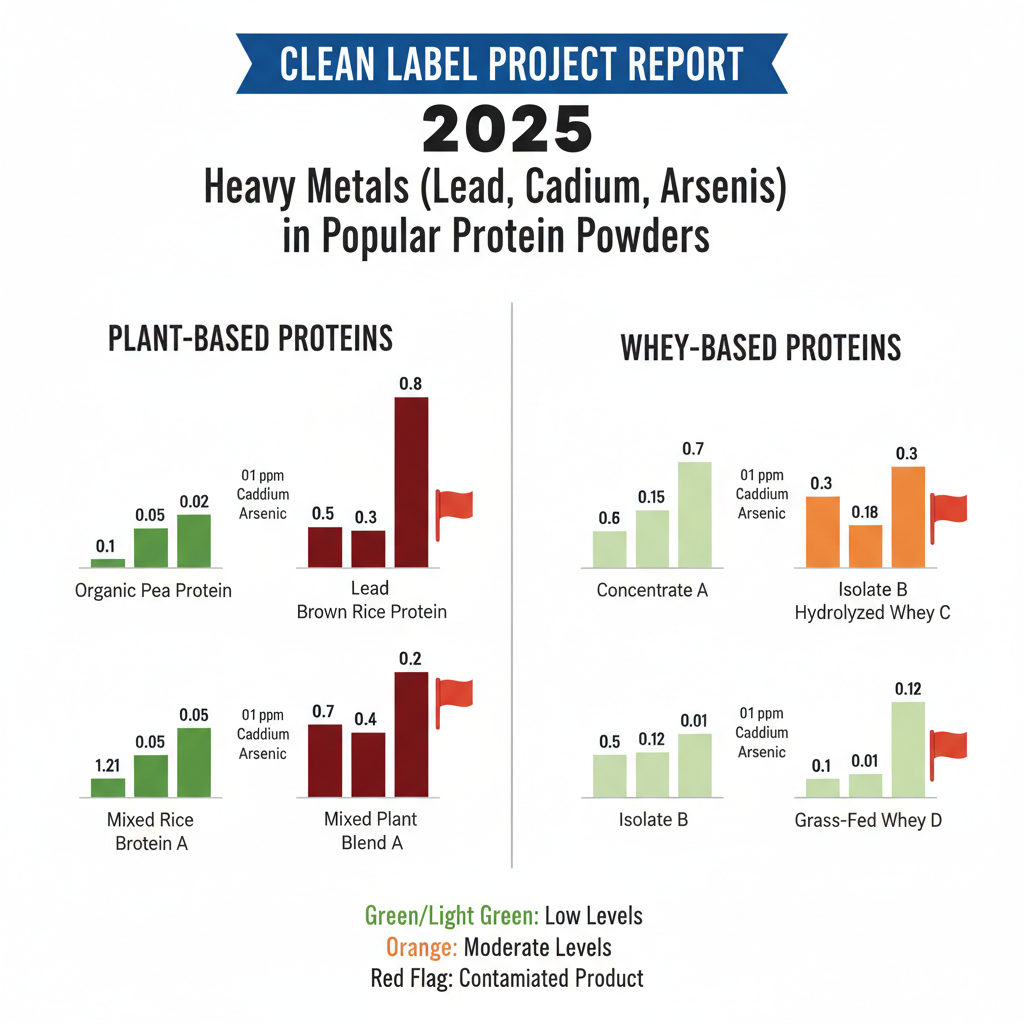
Imagine scooping your favorite plant-based protein into your shaker, feeling virtuous about ditching dairy—only to learn it might be loaded with lead, cadmium, or arsenic. Shocking 2025 reports from Clean Label Project and Consumer Reports reveal that 47% of tested protein powders exceed California’s Prop 65 safety limits for heavy metals, with plant-based ones hit hardest—packing up to nine times more lead than whey[1][2][3]. Organic varieties? Often three times worse[3]. But here’s the good news: savvy shoppers are flocking to rigorously tested brands that deliver pure power without the poison. Don’t risk your health—arm yourself with these expert strategies to spot the real clean winners in 2025.
The Hidden Dangers No One Warned You About
Heavy metals like lead, cadmium, arsenic, and mercury sneak into plant proteins from soil, water, and air—peas, rice, and soy are magnets for these toxins[1][2][4][8]. Consumer Reports’ 2025 tests on 23 top sellers found 70% exceeded safe lead thresholds, with some servings blasting over 10x daily limits[2][4]. Clean Label Project’s massive study of 160 powders (35,862 contaminant tests) confirmed plant-based options average five times more cadmium than whey[1][3]. Chocolate flavors? Up to 110x more cadmium than vanilla[3].
Experts like Tunde Akinleye, CR’s lead chemist, warn: “Results are worse than 15 years ago—avoid daily use”[2]. Jackie Bowen of Clean Label Project adds, “These ‘health foods’ are contaminated everywhere”[3]. The FDA? No pre-market testing, no heavy metal limits for supplements[2]. Industry pushes back, claiming trace levels are natural and safe[3], but with 21% of powders doubling Prop 65 limits[1], who’s gambling?
FOMO alert: While others unknowingly sip toxins, top athletes and clean-eating influencers are switching to certified-safe brands—gaining an edge you’re missing.
Red Flags on Labels: What to Dodge in 2025
Skip powders with rice protein (lead hotspot), hemp, or multi-plant blends without testing proof[4][8]. ‘Natural flavors’? Often masks fillers or sweeteners—demand transparency. Organic doesn’t mean clean; it showed higher metals[1][3]. Fillers like xanthan gum or lecithin? Potential bisphenol carriers (though BPA/BPS dropped to 3% in 2025 tests[3]).
Step-by-Step Guide to Vet Any Protein Powder Today
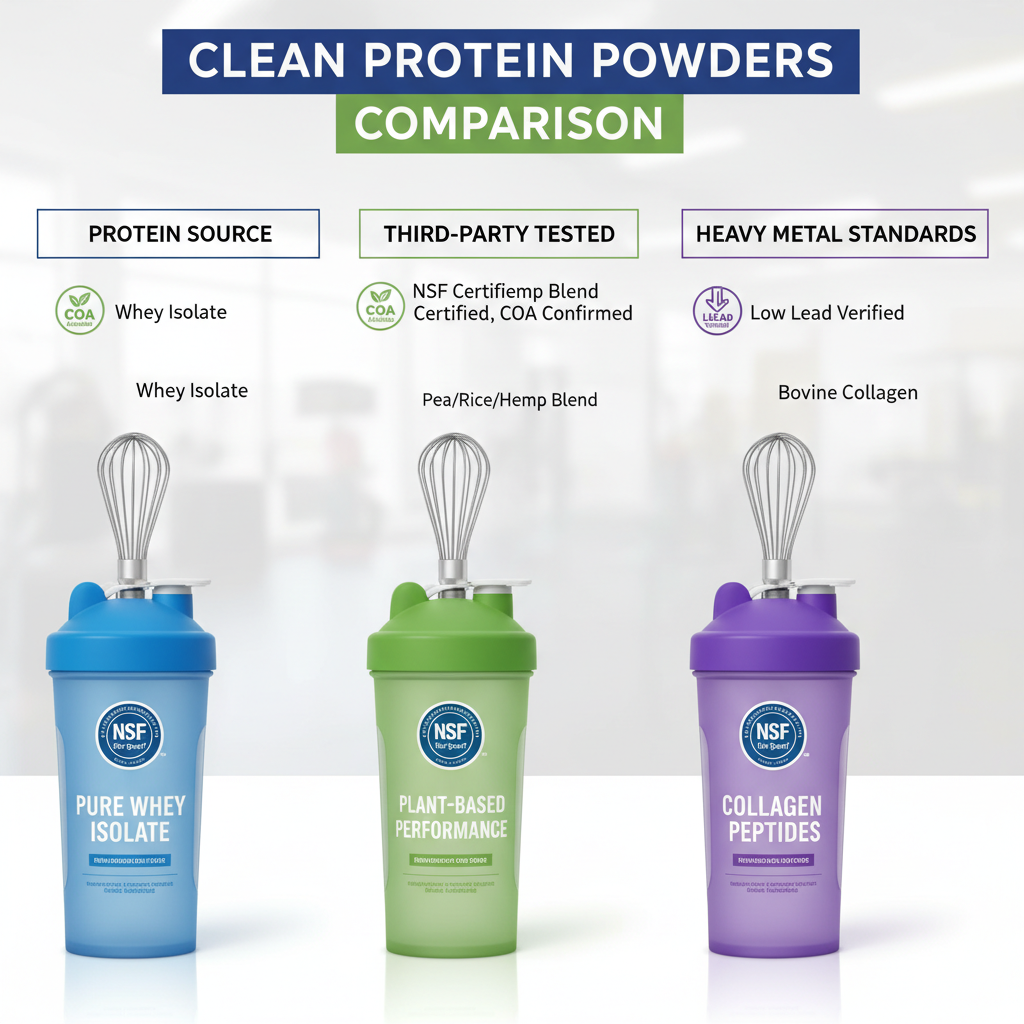
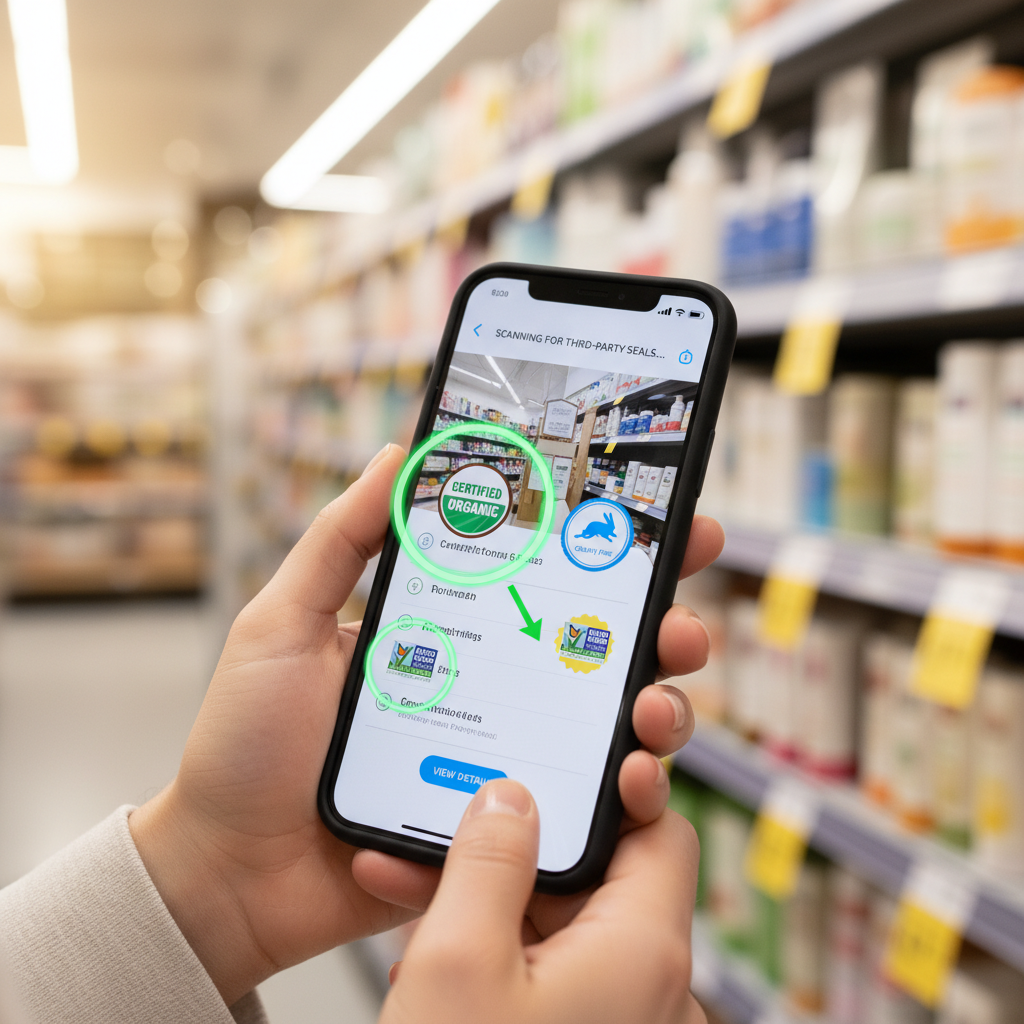
- Search for third-party testing: Look for NSF Certified for Sport, Informed Sport, or Clean Label Project Purity Award badges. These verify heavy metals below strict limits[1][5].
- Demand Certificates of Analysis (COAs): Email brands for lot-specific heavy metal reports (lead <0.5 mcg/serving ideal)[2][4].
- Choose pea-dominant, vanilla (non-chocolate): Lowest metals per experts[3].
- Check serving size reality: All tested powders hit protein claims (20-60g), but metals scale with dose[4].
- Avoid Amazon unknowns: Buy direct or from verified retailers; CR bought from Walmart/Whole Foods[2].
Pro tip from Priera Panescu Scott, PhD (Good Food Institute): Pea protein’s low allergenicity is great, but source matters[4].
Top Truly Clean Plant-Based Proteins Passing 2025 Tests
Thousands are stocking up on these vetted heroes—prices anchor at premium value for zero-compromise safety. Here’s your actionable shortlist:
| Brand/Product | Key Features | Price (30 servings) | Pros | Cons |
|---|---|---|---|---|
| Equip Foods Prime Protein (Pea) | NSF-tested, <0.1mcg lead/serving, 25g protein, vanilla | $49.99 | Lowest metals in CR tests, grass-fed collagen blend option, no fillers | Slightly gritty mix |
| Momentous Plant Protein | Informed Sport certified, pea/rice hybrid under limits, 20g protein | $59.99 | Athlete-approved (pro teams use it), smooth taste | Higher price anchor |
| KOS Organic Plant Protein | Third-party heavy metal tested, pea/pumpkin/flax, 20g protein, stevia-sweetened | $39.99 | Affordable clean pick, organic but low metals | Earthy flavor needs blending |
| Garden of Life Raw Organic (avoid chocolate) | USP verified lots, multi-source plant, 22g protein, vanilla | $34.99 | Budget-friendly, sprouts for digestibility | Some lots varied in older tests[2] |
These beat tainted rivals like Naked Nutrition Mass Gainer (CR flagged high lead[4][5]) and Vega (past Prop 65 fines[2]). Social proof: Equip’s COAs shared publicly; 5-star reviews spike post-CR report. Urgency: Stocks flying off shelves amid 2025 scares—grab now at 10-20% intro discounts on sites.
Expert Hacks for Peak Safety and Performance
Bowen recommends: “Pea for vegans, whey/egg vanilla otherwise”[3]. Rotate brands to minimize exposure. Blend with fresh fruits to mask taste without ‘natural flavors.’ Track intake: CR’s threshold is 0.5mcg lead/day—most clean ones are undetectable[2][4].
Pros/Cons Comparison: Clean vs. Risky
- Clean (e.g., Equip): Peace of mind, NSF badge builds trust, sustained energy sans crash.
- Risky (e.g., rice-heavy organics): Cheap upfront, but long-term toxin buildup risks kidney strain, neuro issues[1].
Scarcity note: Limited NSF batches sell out fast—pre-order verified lots.
Your Next Move: Secure Clean Protein Now
Don’t wait for FDA action (they’re reviewing but slow[2]). Action steps:
- Pick one from the table—start with Equip Prime ($49.99, free shipping over $75).
- Email support@brand.com for latest COA before buying.
- Subscribe for 15% off recurring—lock in purity while supplies last.
- Share this with your gym crew—join the clean revolution.
Thousands transformed their routines post-2025 reports. Your safer, stronger self starts today—choose wisely.