If you’re only using your smart ring to check last night’s sleep score or yesterday’s steps, you’re leaving 80% of its value on the table. The real power is in turning continuous data—heart rate (HR), heart rate variability (HRV), temperature, sleep stages, SpO₂, and activity load—into specific choices about when to train, when to rest, and how to manage stress in real time.
Why Continuous Data Is a Cheat Code for Everyday Decisions
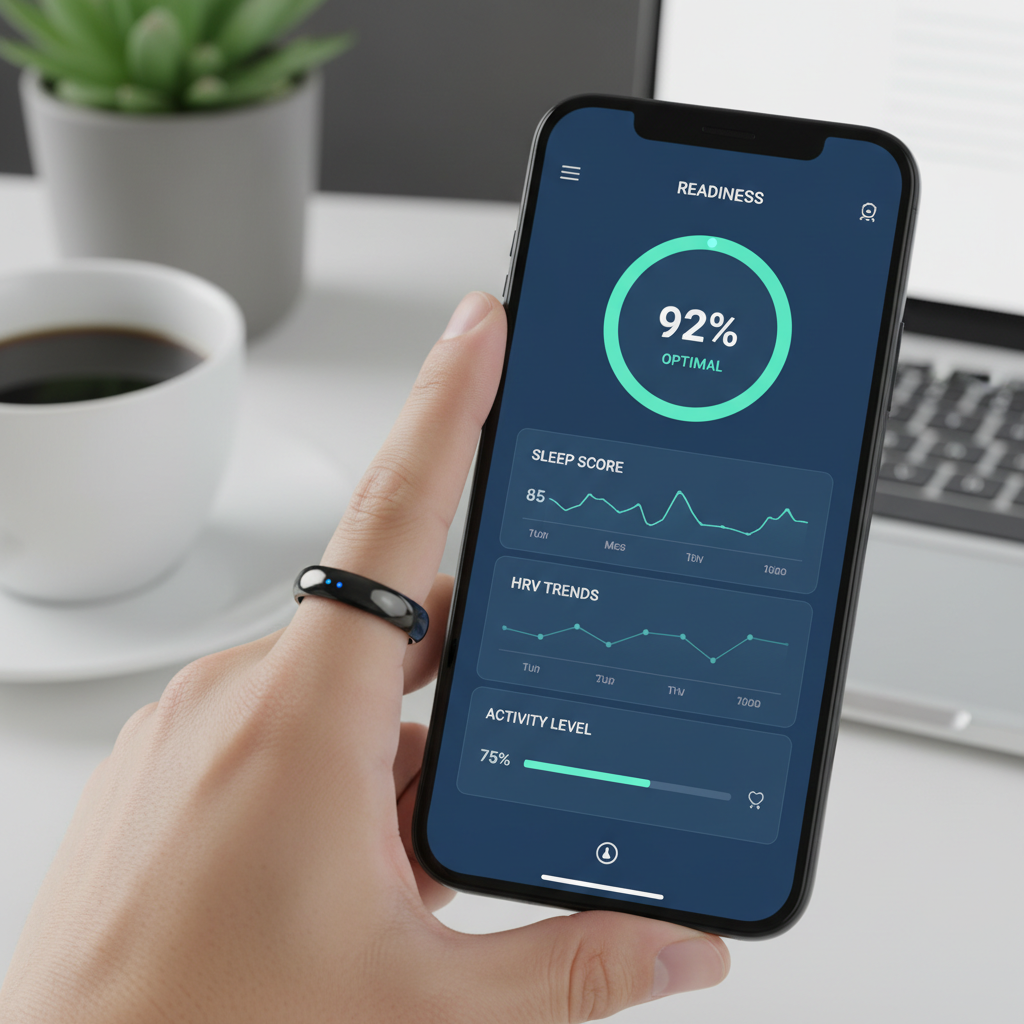
Most people still live by the calendar, not their physiology: leg day on Tuesday, run on Thursday, brunch on Sunday. Smart rings flip that model. Devices like the Oura Ring 4 (from around $299 plus optional subscription) and Samsung Galaxy Ring (about $399, no subscription) crunch thousands of data points into a simple daily readiness or energy score that answers a single question: “Push or protect today?”[1][2]
These scores are built from:
- Resting heart rate (RHR) trends
- HRV (stress and recovery proxy)
- Nighttime temperature deviations
- Sleep duration and depth
- Activity load (how hard you went yesterday and this week)
Rings like the Ultrahuman Ring Air (around $349, subscription-free) and RingConn Gen 2 (roughly $299, also no subscription) focus heavily on recovery and metabolic stress, pushing you nudges when your nervous system looks overloaded.[1][3][4]
From Score to Strategy: How to Use Your Ring’s Daily Summary
1. Interpreting Readiness/Energy Scores
Different brands name this differently—Oura Readiness, Samsung Energy Score, Ultrahuman Recovery—but the logic is similar.[1][2][4]
As a rule of thumb:
- 80–100 (green): Nervous system and sleep look solid. Good day for intense training or long focus blocks.
- 60–79 (yellow): Mixed signals. Keep your workout moderate or shorten intensity.
- < 60 (red): Clear physiological stress. Prioritize recovery, sleep, and light movement.
Actionable move: Before scheduling your hardest session of the week, check your ring’s score. If it’s in the red three mornings in a row, shift your plan—use it as a dynamic training calendar instead of a fixed one.
2. Using HRV Trends to Time Stress and Focus
Most smart rings compute HRV overnight and show trends over weeks. A rising HRV trend typically correlates with better recovery; a sharp multi-day drop often follows illness, travel, alcohol, or overtraining.[1][2][4]
How to act on it:
- Short HRV dip (1–2 days): Pull back slightly on training intensity; keep your normal routine but shorten peak-focus tasks.
- Persistent dip (3–5+ days): Schedule deliberate recovery days: low-intensity walking, earlier bedtime, remove one major stressor (e.g., evening work session).
Rings like Ultrahuman Ring Air and Oura Ring 4 surface this as concrete suggestions (“Reduce high-intensity exercise today”) instead of raw HRV numbers, so you don’t have to be a physiologist to act on it.[1][3][4]
Sleep Data: Turning Night Reports Into Daytime Rules
1. Sleep Timing & Caffeine Cutoffs
Devices such as Oura Ring 4 and Samsung Galaxy Ring track sleep onset, wake time, latency, and nighttime movement, then translate that into a simple Sleep Score with personalized insights.[1][2]
Two easy wins:
- Lock in your window: After 1–2 weeks, your ring will surface your natural sleep midpoint. Once you see the time window that reliably gives you 85+ sleep scores, protect it like a meeting with your boss.
- Adjust caffeine: The Ultrahuman Ring, for example, can flag a “caffeine window” based on your sleep and recovery patterns.[4] If your deep sleep tanks on days with late coffee (your ring will show less deep sleep and more nighttime heart rate spikes), set a hard personal cutoff 8–10 hours before bed.
2. Late-Night Behaviors and Sleep Quality
Smart rings make invisible mistakes visible. Ultrahuman’s app, for example, can nudge you when late snacks correlate with poorer sleep metrics.[4] Oura will highlight nights with elevated overnight heart rate and lower HRV, often tied to alcohol or late heavy meals.[1][2]
Practical experiment:
- Pick one variable for 7 days: no alcohol, earlier dinner, or no screens in bed.
- Track the change in your ring’s deep sleep minutes, resting heart rate, and Sleep Score.
- Keep the one habit that reliably moves your sleep metrics up.
Training: Using Rings to Decide When to Push or Pivot
1. Matching Workouts to Recovery
The Samsung Galaxy Ring is particularly strong at correlating sleep, HR, and HRV into an Energy Score, with AI-generated coaching for days when you are overreached.[1][2] Oura, Ultrahuman, and RingConn offer similar readiness style guidance.[1][3][4]
Use a simple decision rule:
- High readiness / energy: HIIT intervals, heavy lifting, long runs.
- Medium readiness: Technique work, tempo runs, moderate strength.
- Low readiness: Mobility, walking, easy cycling, or complete rest.
Budget options like the Amazfit Helio Ring (often under $200, no required subscription) still give you core metrics—sleep, HR, HRV, activity—so you can follow the same logic, even if the app is less polished.[2][3]
2. Heart Rate During Exercise
Rings are improving but still not perfect for high-motion heart-rate tracking. Reviews of the Samsung Galaxy Ring note that exercise heart rate is among the best in the category, but automatic workout detection can be unreliable; manual start via phone app is recommended for accuracy.[1]
How to use it:
- On intense days, manually start workouts in the app for cleaner HR data.
- Check how long your heart rate stays elevated post-workout; longer elevation plus poor next-day readiness is a sign of accumulated fatigue.
Temperature, SpO₂, and Early Warning Signs
1. Nighttime Temperature as Your “Early Illness Radar”
Most modern rings (Oura Ring 4, Samsung Galaxy Ring, Ultrahuman Ring Air, RingConn Gen 2) include skin temperature sensors that track deviations from your personal baseline.[1][2][4]
When your ring flags a temperature spike and your readiness plummets:
- Scale back activity immediately for 24–48 hours.
- Extend your sleep window by 30–60 minutes.
- Drop stimulants and late-night screens to speed recovery.
Ignoring these early signs often shows up as a week of red readiness scores instead of a couple of yellow days.
2. SpO₂ & Breathing Quality
Rings such as Oura, Samsung, and Prevention Circul+ track blood oxygen saturation and breathing irregularities at night, with Circul+ positioned more as a medical-grade option including FDA-cleared SpO₂ and blood pressure readings (about $299).[1]
Low or unstable SpO₂ readings over multiple nights may signal breathing issues worth discussing with a clinician. Your actionable step isn’t self-diagnosis; it’s using your ring as a pattern detector that nudges you to seek professional evaluation sooner.
Choosing the Right Ring for Actionable Insights (Not Just Pretty Graphs)
Key Players and What They’re Best At
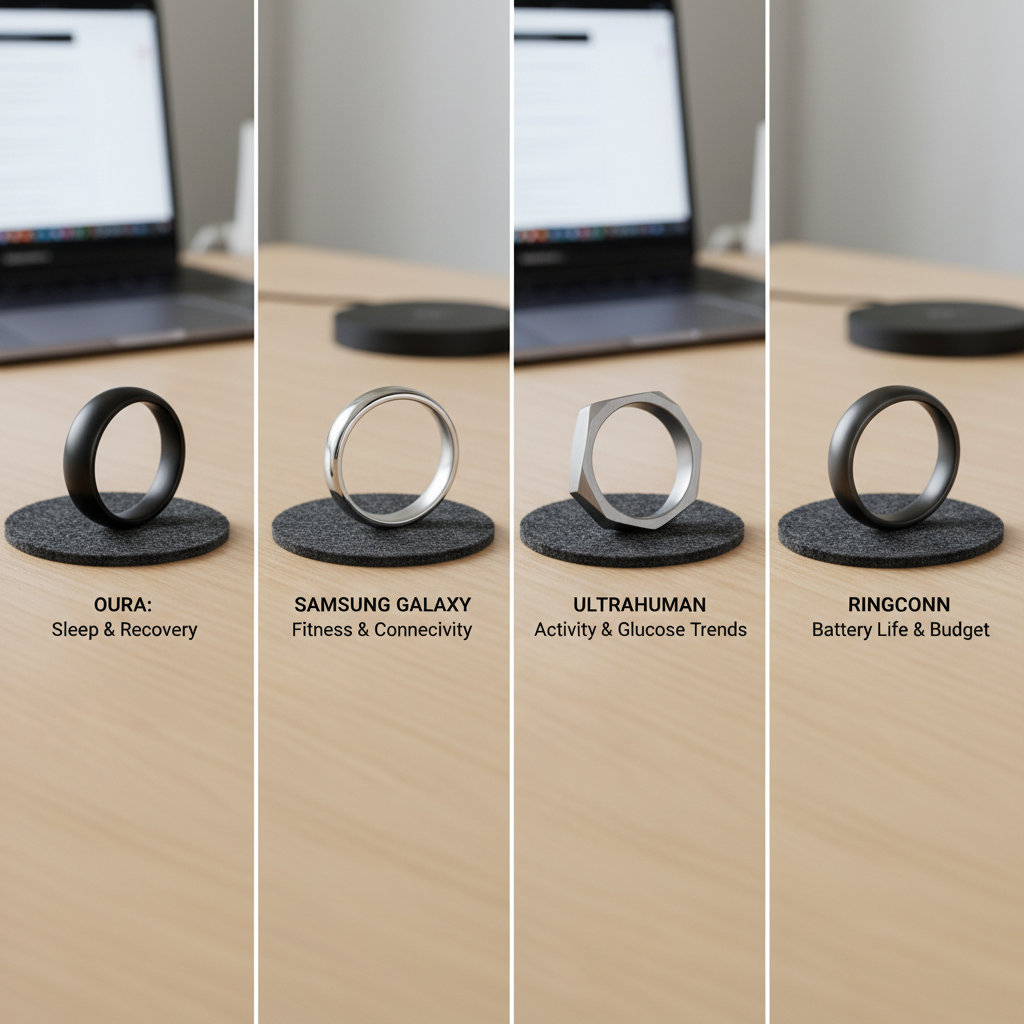
- Oura Ring 4 (~$299 + subscription): Best all-rounder for deep sleep analytics, recovery, and polished insights; widely praised in expert reviews.[1][2]
- Samsung Galaxy Ring (~$399): Strongest integrated experience for Samsung phone users, excellent sleep analysis and AI-powered Energy Score; no monthly fee.[1][2]
- Ultrahuman Ring Air (~$349, no subscription): Data-rich, recovery-focused, with powerful nudges around stress, caffeine, and behavior patterns.[3][4]
- RingConn Gen 2 (~$299, no subscription): Extremely light and thin, solid core vitals and long battery life.[1][3]
- Amazfit Helio Ring (<$200 at times, no subscription): Budget-friendly entry into continuous recovery tracking.[2]
- Prevention Circul+ (~$299): More medical orientation with blood pressure and FDA-cleared SpO₂.[1]
Newer arrivals like the Circular Ring 2 (announced at around $349, subscription-free) promise ECG with AFib detection and long battery life, showing how fast the category is maturing toward clinical-style metrics.[2]
3 Immediate Steps to Turn Your Ring Into a Daily Coach
- Pick one metric to prioritize for 30 days. If you’re burnt out, focus on readiness / energy. If you’re training hard, focus on HRV and weekly activity load. If sleep is a mess, make Sleep Score your north star.
- Create simple rules tied to your scores. For example: “If readiness < 60 → no intervals,” or “If Sleep Score < 75 → in bed 45 minutes earlier tonight.” Automate behavior, not just awareness.
- Review your weekly summary every Sunday. Nearly all leading rings surface 7-day trends. Use that dashboard to adjust the coming week—plan your hardest sessions on historically high-readiness days and schedule lighter commitments after travel or big nights out.
Your Next Move
If your current wearable is flooding you with data but not decisions, it may be time to upgrade to a ring that does more of the thinking for you. Oura Ring 4 and Samsung Galaxy Ring lead in polished daily guidance; Ultrahuman Ring Air, RingConn Gen 2, Amazfit Helio Ring, and Circular Ring 2 compete hard on value and subscription-free ownership.[1][2][3][4]
The key is not owning the “smartest” ring—it’s choosing one you’ll actually let coach you. Pick the device that fits your budget and ecosystem, set clear rules tied to its scores, and for the next month, let your physiology—not your calendar—tell you when to grind and when to recover.
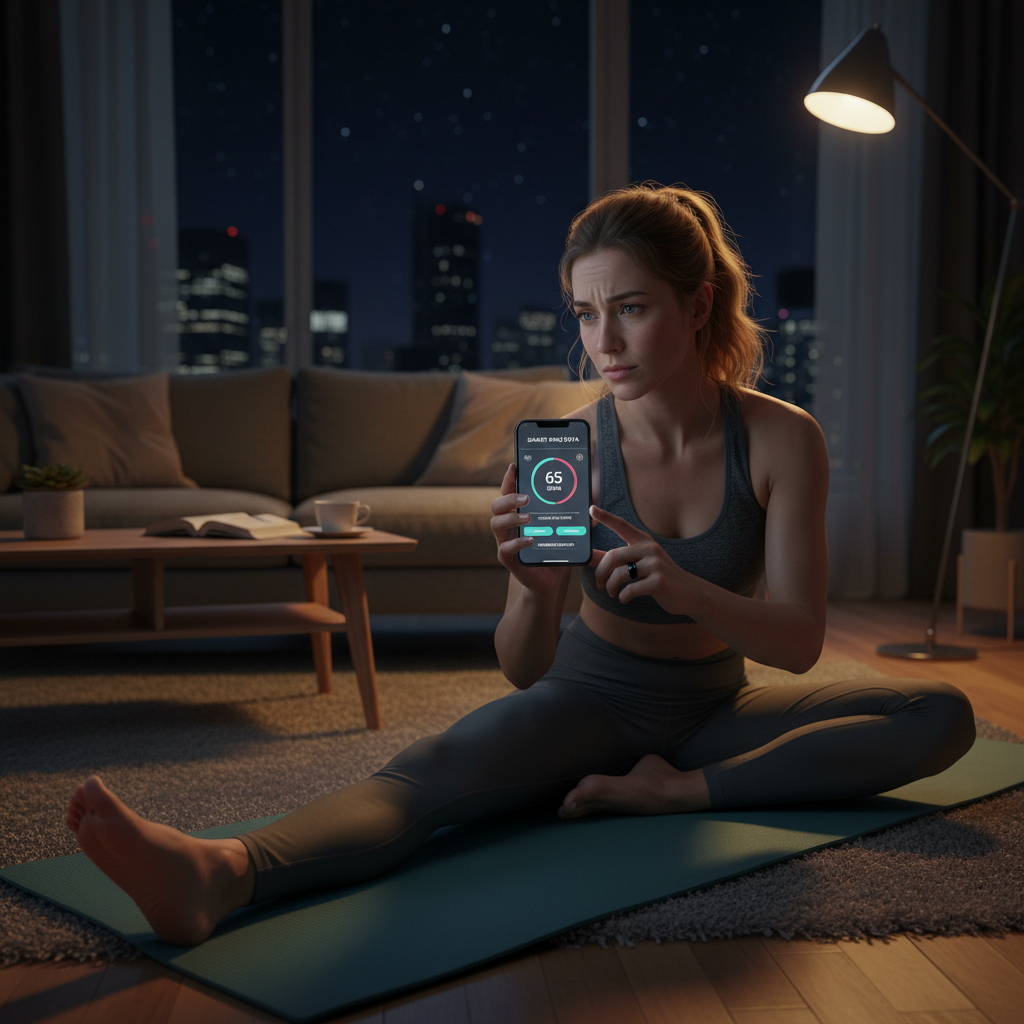
Your body is already streaming signals 24/7. A smart ring simply turns that noise into a narrative. Your job is to act on it, starting today.