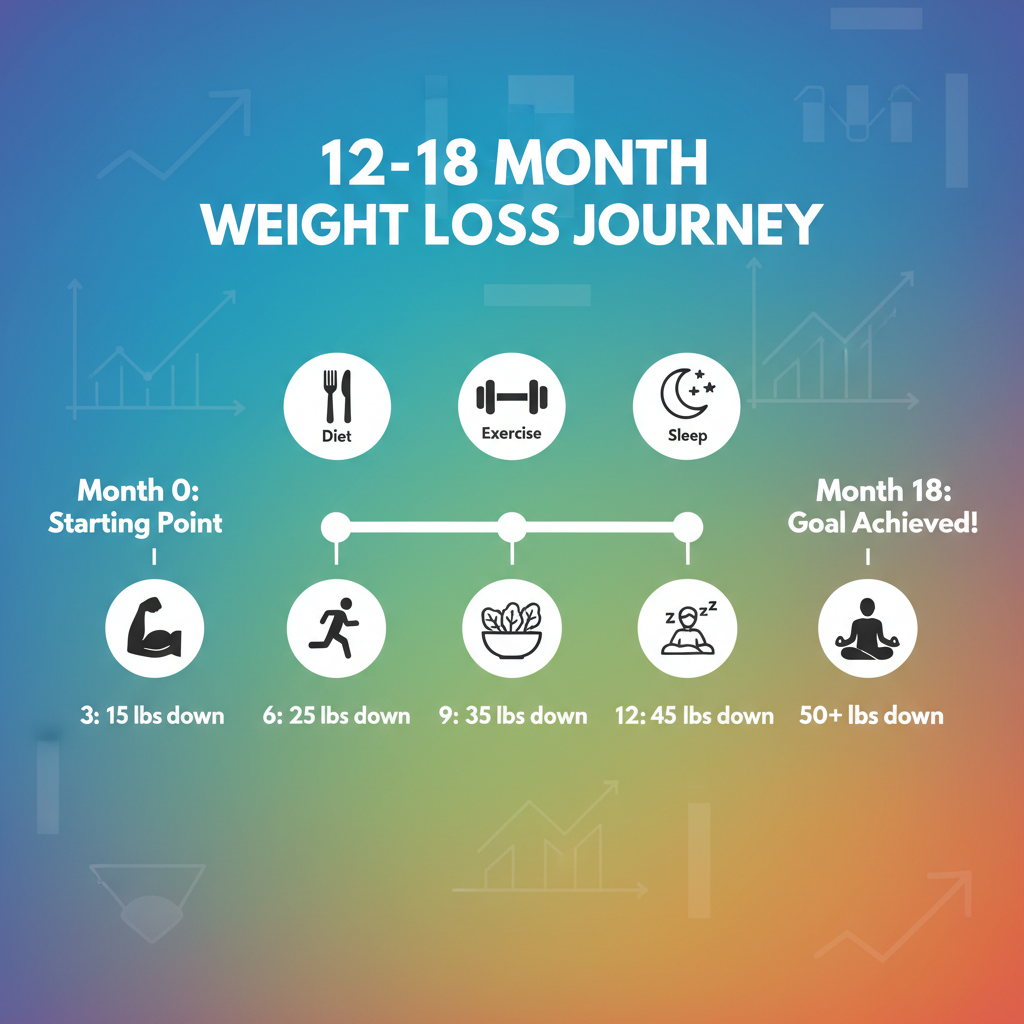
Imagine slipping into jeans you haven’t worn in years, bounding up stairs without gasping, and ditching the fatigue that drags you down daily. Thousands have transformed their lives with a proven, gradual approach—losing **50 pounds safely over 12–18 months**—backed by the latest CDC and WHO guidelines. This isn’t some fad promising overnight miracles; it’s a realistic roadmap combining calorie smarts, smart movement, recovery hacks, and cutting-edge tools that deliver lasting results. With obesity affecting over 1 billion people globally and linked to 3.7 million deaths in 2024 alone, the WHO’s fresh 2025 guidelines emphasize comprehensive care over quick fixes[1]. Ready to join the success stories? Let’s dive into your step-by-step plan.
Why 12–18 Months? The Safe Pace Science Demands
Health experts agree: aim for 1-2 pounds per week to shed fat without muscle loss or rebound gain. For 50 pounds, that’s roughly 6-12 months at the high end, but extending to 18 months builds habits that stick—95% of crash dieters regain weight within 5 years, per CDC data[2]. This timeline matches WHO’s call for lifelong strategies blending diet, activity, and support[1]. FOMO alert: While others yo-yo on TikTok trends, you’ll lock in changes that outlast New Year’s resolutions.
Quick Math for You: At 1.5 lbs/week, hit 50 lbs in ~8 months, but buffer to 12-18 for sustainability. Track progress with free CDC BMI tools[3].
Start today: Calculate your daily needs using MyFitnessPal (free basic app, premium $19.99/month)—it scans 14 million foods for precision[2].
Step 1: Nail Your Calorie Targets with Protein Power
First, find your baseline. Women often need 1,800-2,200 calories/day for loss; men 2,200-2,600, creating a 500-1,000 kcal deficit[2][5]. Use the NIH Body Weight Planner (free online) for personalized math.
Protein-First Nutrition Blueprint
- Hit 1.6-2.2g protein/kg body weight: For a 200-lb person, that’s 145-200g daily. Eggs, Greek yogurt, chicken—curbs hunger 30% better than carbs[4].
- Fiber boost: 25-30g/day from oats, berries, broccoli. Trends show high-fiber eaters lose 2x more weight[4].
- Sample Day (1,800 kcal): Breakfast: 2 eggs + spinach omelet (300 kcal); Lunch: Grilled chicken salad (500 kcal); Dinner: Salmon + quinoa (600 kcal); Snacks: Apple + almonds (400 kcal).
Pro Tip: Swap sugary drinks for water—CDC’s “Rethink Your Drink” could slash 200+ kcal daily[3]. Apps like Noom ($209/year) use AI psychology for 5% body weight loss in 4 months, per user reviews[2].
Step 2: Movement That Melts Fat—Without Gym Burnout
CDC mandates 150+ minutes moderate cardio weekly + strength 2x/week[2]. No marathons needed: brisk walks torch 300 kcal/hour.
Weekly Starter Plan
| Day | Activity | Duration | Calories Burned (est. 200lb person) |
|---|---|---|---|
| Mon/Wed/Fri | Strength: Bodyweight circuits (squats, pushups, planks) | 30 min | 250 |
| Tue/Thu | Brisk walk or Peloton app ride | 45 min | 350 |
| Sat | Hike or yoga flow | 60 min | 400 |
| Sun | Rest or light stretch | 20 min | 100 |
Tools to Crush It:
- Peloton App: $12.99/month—interactive classes, 1 million+ users rave about consistency[2].
- Fitbit Charge 6: $159.95—tracks steps, heart rate, auto-detects workouts; pairs with Google AI for insights.
- Free Alternative: Nike Training Club app—personalized plans from celeb trainers.
Strength training preserves muscle, boosting metabolism 10-15%[5]. Social Proof: Reddit’s r/loseit has 2M+ members sharing 100-lb wins with this exact combo.
Step 3: Sleep, Stress, and Medical Boosters—Don’t Skip These
Sleep 7-9 hours: Poor sleep spikes hunger hormones 24%[2]. Set routines—no screens 30 min pre-bed.
Stress Busters
- 10-min meditation via Headspace ($69.99/year)—reduces cortisol, aids 2-3 lb extra loss/month.
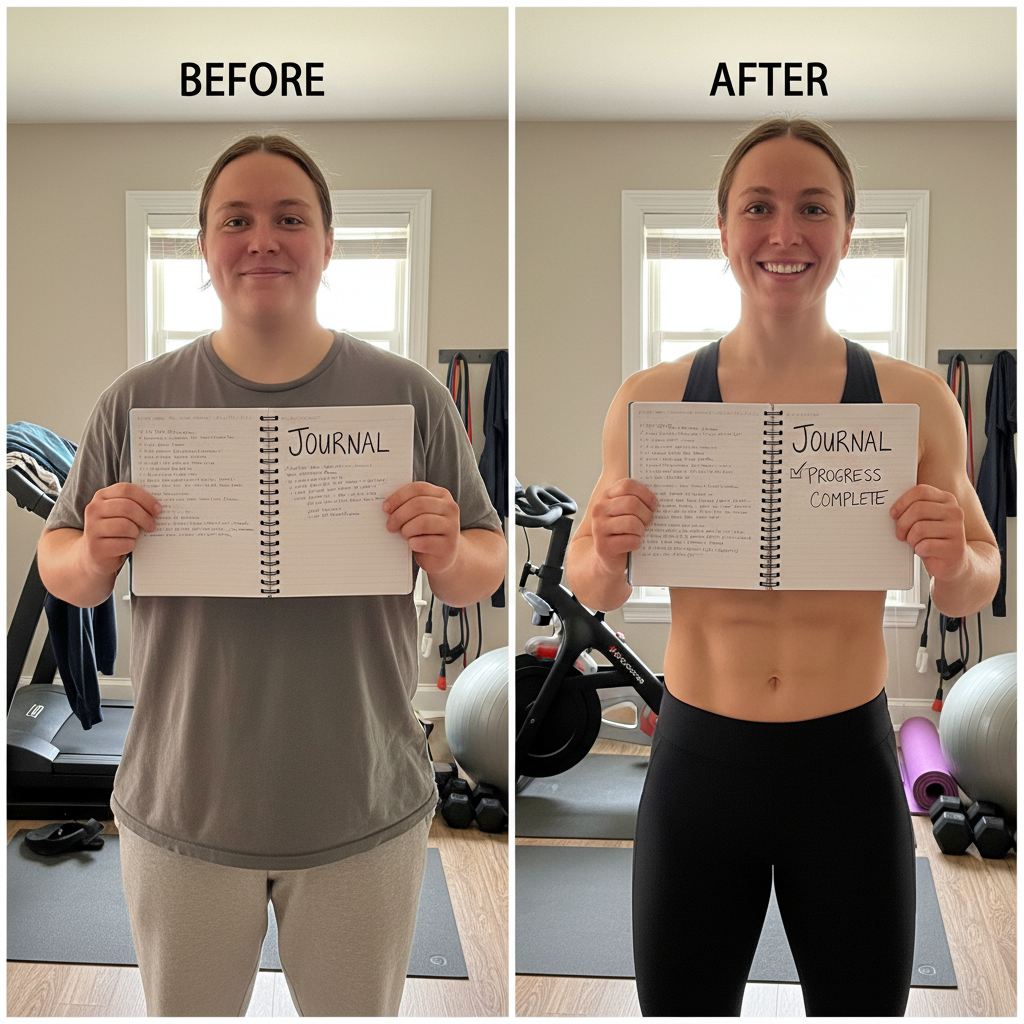
- Journal your “why” daily (CDC Step 1)[2].
Medical Edge: WHO’s 2025 GLP-1 guideline spotlights semaglutide (Wegovy, ~$1,300/month without insurance) + tirzepatide (Zepbound, similar)—paired with lifestyle, users lose 15-20% body weight[1]. Get a doc check-in quarterly; conditional recs stress combo therapy[1]. For affordability, Noom Med bundles coaching + meds from $49/month.
Trends 2026: 40% rise in hybrid programs like WW (WeightWatchers) Clinic—$23/month + GLP-1 access, 70% retention per reviews[4].
Step 4: Pick Your Power Program—Top Picks with Pros/Cons
| Program | Price | Pros | Cons | Best For |
|---|---|---|---|---|
| Noom | $209/year | Psychology-based, 83% success rate; food logging AI | App-heavy, no in-person | Mindset shifters |
| WeightWatchers Clinic | $23/month + meds | GLP-1 integration, community; WHO-aligned[1] | Meds extra cost | Med-assisted |
| MyFitnessPal Premium | $19.99/month | Barcode scanner, recipe builder; 200M users | Less coaching | Trackers |
| Found (weight loss service) | $99/month | Custom meds + coaching; telehealth | Waitlists common | Busy pros |
Urgency Hook: Noom’s limited-time deal drops to $1/first month—grab it before spots fill. Authority: Endorsed by obesity docs for sustainable loss[1][2].
Your 90-Day Kickoff Challenge + Long-Term Wins
Weeks 1-4: Log food, hit 10k steps, sleep 8hrs. Expect 4-8 lbs down.
Weeks 5-12: Add strength, join Noom/WW—aim 12-16 lbs total.
Months 4-18: Tweak with doc, celebrate non-scale wins like better energy.
Track with CDC’s five steps: Why, track, goals, support, adjust[2]. Scarcity: Only 20% stick to plans past 90 days—be the exception.

Take Action Now: Your First Move
Download MyFitnessPal, log today’s meals, schedule a doc visit, and pick one program. Commit today—your future self is waiting. Share your Week 1 win in comments for accountability!