Before you buy another “miracle” eye cream, you need to know one thing: your dark circles and puffiness are not like everyone else’s. If you don’t match the cause to the active ingredient—caffeine, peptides, retinol, vitamin C, niacinamide, and more—you’re basically gambling with your skincare budget.
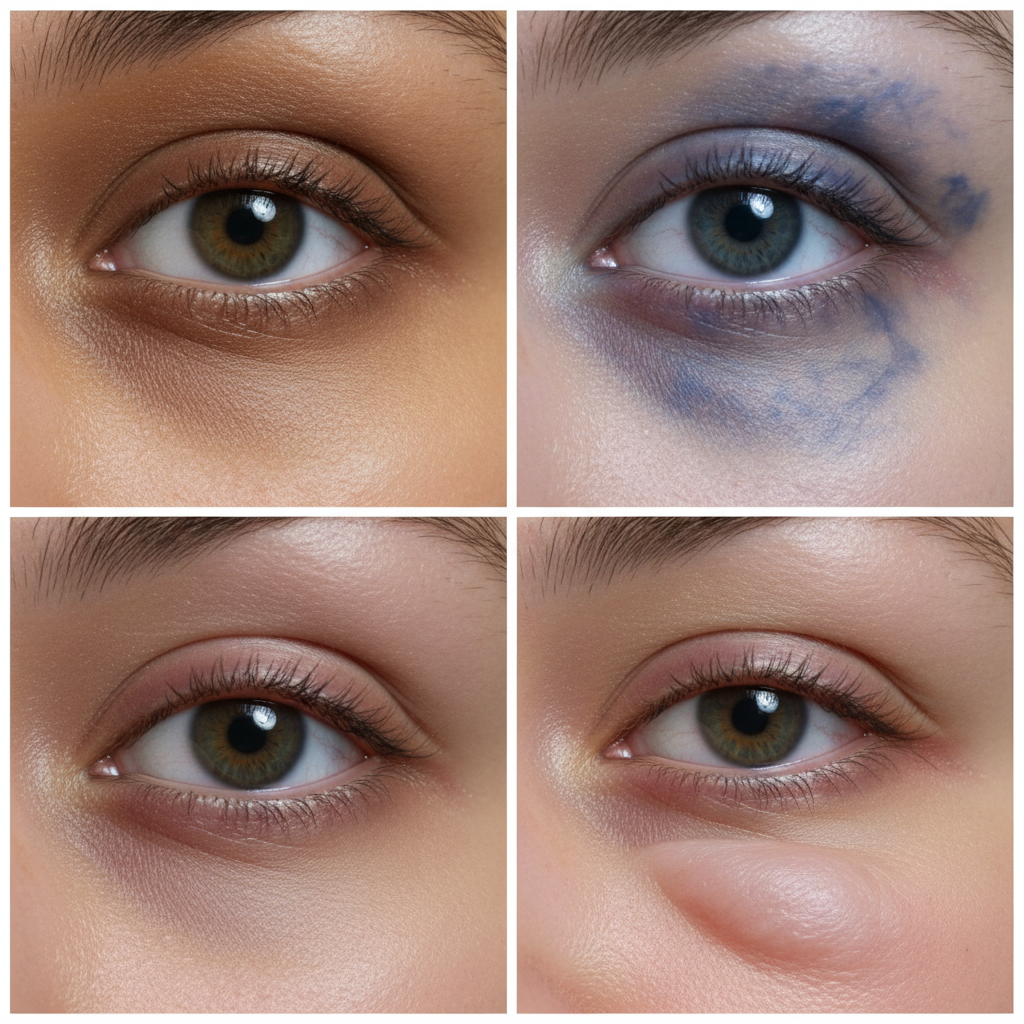
Dermatologists consistently stress that under‑eye issues fall into a few main buckets: pigmentation, vascular (blood vessel–related), structural hollows, and fluid retention or bags.[4] Each type responds very differently to ingredients. That’s why one person swears by a caffeine gel while another only sees results with a gentle retinol cream.[1][4]
Step 1: Diagnose Your Under‑Eye Type in 30 Seconds
Stand in front of a mirror in bright, natural light and try this quick test:
- Type A – Pigmentation circles: The skin looks brown or grayish, and the color doesn’t change much when you gently stretch the skin or tilt your head.[4] Often worse from sun exposure or post‑inflammatory marks.
- Type B – Vascular / blue‑purple circles: The area looks bluish, purplish, or reddish and may look worse when you’re tired or after a salty meal. When you press lightly, the color may momentarily fade.[4]
- Type C – Structural hollows (tear troughs): You see a shadow or groove rather than true discoloration. When you tilt your head or fill the area by gently lifting the cheek, the “darkness” improves because it’s really a shadow.[4]
- Type D – Puffiness / fluid retention: You wake up puffy or baggy; it can fluctuate through the day and is often worse from sleep position, allergies, or high salt.[4]
Most people are a combo of two types. That’s normal—and it just means you’ll want a layered ingredient strategy, not a single magic bullet.
Step 2: Match Your Type to the Right Active Family
For Pigmentation Circles: Vitamin C, Niacinamide & Gentle Retinoids
If your circles are more brown or gray, you need ingredients that target uneven pigment and sun damage.
- Vitamin C (L‑ascorbic acid or stable derivatives) helps brighten and even tone, and protects from free radical damage that worsens dark circles.[1] Good Housekeeping’s 2025 eye‑cream testing notes that vitamin C and niacinamide together are especially helpful for brightening and firming the eye area.[3]
- Niacinamide improves skin barrier and fades hyperpigmentation, while being well‑tolerated around the eyes for many people.[1][4]
- Retinol / retinaldehyde speeds cell turnover, softens fine lines, and gradually lifts pigment—used sparingly and only if your skin tolerates it.[1][4]
Smart 2025 product picks for pigment‑driven circles (prices approximate and may vary by retailer):
- L’Oréal Revitalift Derm Intensives 2.5% Hyaluronic + Caffeine Eye Serum – around $30 for 0.5 oz. It combines caffeine with vitamin C and hyaluronic acid, targeting both discoloration and mild puffiness while hydrating.[3][4]
- Juice Beauty Stem Cellular Anti‑Wrinkle Eye Treatment – about $65 for 0.5 oz. Uses vitamin C, fruit stem cells and hyaluronic acid to brighten and smooth, with a focus on fine lines and tone.[2]
- ILIA Bright Start Retinol Alternative Eye Cream – about $46 for 0.5 oz. Uses a retinol alternative plus caffeine, peptides and light‑reflecting mica to brighten instantly and over time.[2]
How to use this trio strategy:
- AM: Vitamin C + niacinamide eye cream or serum, followed by mineral sunscreen (SPF 30+).[1][4]
- PM: 2–3 nights per week, a gentle retinol or retinol‑alternative eye formula; other nights, a barrier‑supporting cream with niacinamide and ceramides.[1]
For Vascular / Blue‑Purple Circles: Caffeine + Light‑Diffusing Brighteners
If your circles are bluish or purplish and vary with sleep or diet, the goal is to constrict blood vessels slightly, de‑puff, and thicken the delicate skin so vessels show through less.
- Caffeine is the star here: it’s a vasoconstrictor that can temporarily reduce puffiness and the visibility of blood vessels.[2][4] Many of the highest‑rated 2025 eye gels use coffee seed extract or synthetic caffeine for exactly this reason.[2][3]
- Peptides help strengthen the dermal matrix (collagen and elastin), so the skin is less translucent.[1][4]
- Light‑reflecting pigments (like mica) give an immediate optical brightening—perfect for daytime and Zoom calls.[2]
Eye formulas that lean hard into caffeine + peptides in 2025:
- 100% Pure Coffee Bean Caffeine Eye Cream – roughly $29 for 1 oz. Uses green tea and coffee extracts plus rosehip oil and aloe to de‑puff and lightly brighten with natural antioxidants.[2]
- ILIA Bright Start Retinol Alternative Eye Cream – around $46. Doubles as skincare and subtle makeup with caffeine, peptides and mica for immediate and long‑term brightening.[2]
- True Botanicals Resurrection Radiance Eye Cream – about $78 for 0.5 oz. Formulated with coffee seed extract, green tea and rich botanicals for those dealing with both dryness and vascular darkness.[2]
Pro tip for vascular types: Keep one caffeine‑rich gel in the fridge for rushed mornings. The cold + vasoconstriction combo reduces puffiness faster than room‑temperature product.
For Structural Hollows: Peptides & Retinoids (Plus a Reality Check)
If your main issue is a shadow or groove—not true color change—topicals have limits. What you’re seeing is volume loss and bone structure creating a shadow, which is why dermal fillers are often discussed in dermatologist offices for pronounced tear troughs.
That said, certain actives can still make a visible difference by improving texture and firmness:
- Peptides support collagen and elastin, helping the skin look thicker and smoother so the contrast between cheek and under‑eye isn’t as stark.[1][4]
- Retinoids (retinol, retinaldehyde) stimulate collagen and can soften crepiness and fine lines around the groove.[1]
- Hyaluronic acid offers superficial plumping when paired with a good moisturizer.[1][4]
Peptide‑forward options for structural concerns:
- Ursa Major Forest Alchemy Eye Cream – about $56 for 0.5 oz. A thicker, buttery formula with peptides, hyaluronic acid, mushrooms, green tea and rosehip oil to deeply hydrate and support firmness.[2]
- Tata Harper Restorative Eye Crème – around $140 for 0.5 oz. A luxury botanical option featuring a blend of peptides, centella asiatica and 30+ botanicals to target lines, texture and early sagging.[2]
When to consider a consult: If a well‑formulated peptide/retinoid routine after 3–6 months only minimally changes the appearance, talk to a board‑certified dermatologist about in‑office options such as filler or energy‑based tightening devices.
For Puffiness / Bags: Caffeine, Drainage Rituals & Barrier Support
For those dealing with under‑eye bags or morning swelling, focusing on fluid management and inflammation is key.
- Caffeine and coffee seed extract are again front‑line, helping to de‑puff by constricting vessels and encouraging fluid movement.[2][4]
- Soothing botanicals like aloe, green tea and oat extract calm irritation that can worsen swelling.[2]
- Barrier‑repair ingredients (ceramides, niacinamide) strengthen the fragile eye area, helping it react less dramatically to allergens and irritants over time.[1]
De‑puffing workhorses for 2025:
- cocokind Revitalizing Eye Cream – about $19 for 0.5 oz. Uses hibiscus flower acids (gentle AHAs) and oat extract to smooth and lock in moisture while giving a subtle plumping effect.[2]
- 100% Pure Coffee Bean Caffeine Eye Cream – affordable per ounce and ideal as a daily de‑puffing staple.[2]
Daily anti‑puffiness routine:
- Sleep with your head slightly elevated to reduce overnight pooling.
- Use a chilled caffeine eye gel in the morning; tap from inner to outer corner to encourage drainage.
- Watch high‑salt dinners and late‑night alcohol, which often show up under your eyes by 7 a.m.
How to Build a Personalized AM/PM Eye Playbook
Once you’ve identified your dominant types, you can stack actives strategically instead of hoarding random jars. Here’s a simple, diagnostics‑driven framework:
| Your Primary Type | Best Actives | Ideal Texture |
|---|---|---|
| Pigmentation | Vitamin C, niacinamide, gentle retinol | Light cream or serum |
| Vascular / Blue | Caffeine, peptides, light‑diffusers | Gel or gel‑cream |
| Hollows | Peptides, retinoids, hyaluronic acid | Richer cream |
| Puffiness | Caffeine, soothing botanicals, niacinamide | Cooling gel or lightweight cream |
Sample combo routine for a common mix: pigment + puffiness
- Morning: ILIA Bright Start (for caffeine, peptides, brightening and light‑diffusing mica) + mineral SPF around the eye socket.[2][4]
- Night: Juice Beauty Stem Cellular or a gentle retinol eye formula 2–3 nights/week, alternating with a niacinamide‑rich hydrating cream like Ursa Major on buffer nights.[1][2]
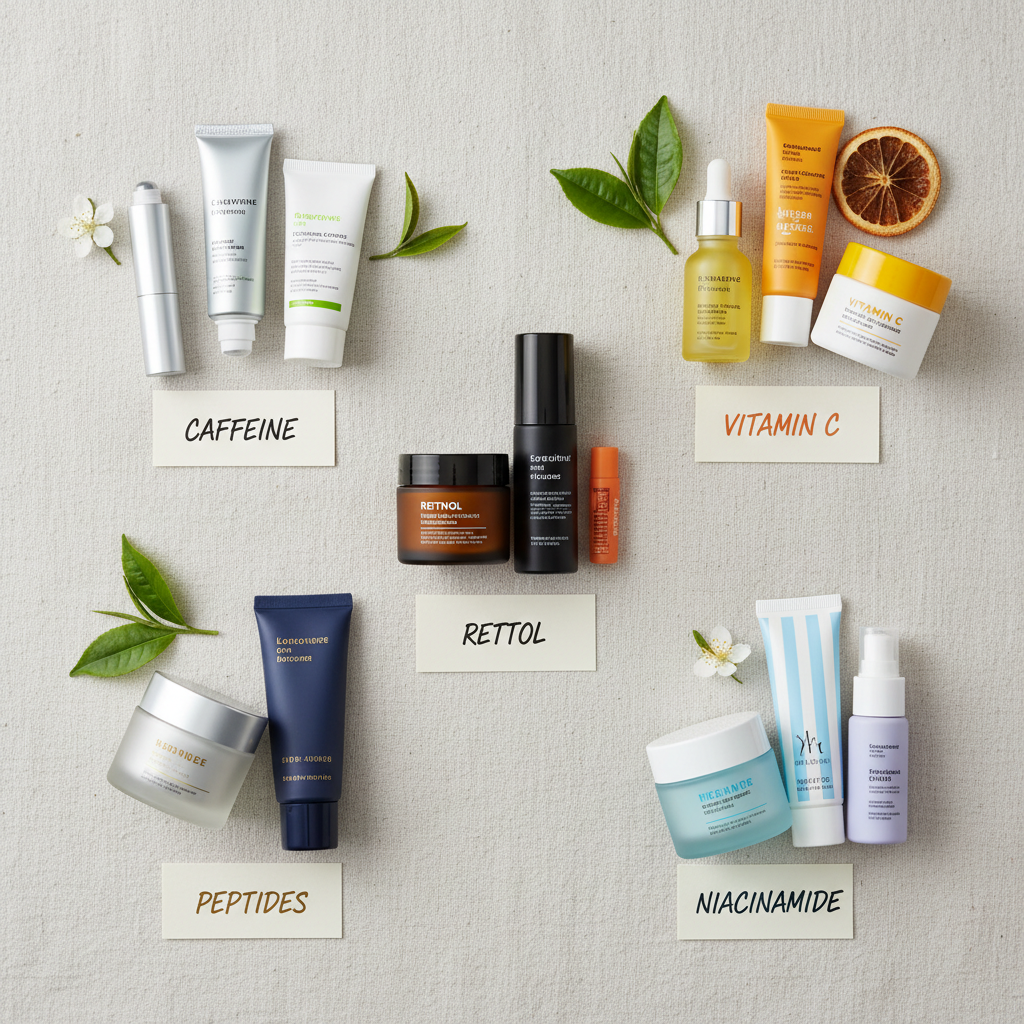
Most derms highlight that consistent use of proven anti‑aging actives—retinoids, peptides, vitamin C, niacinamide, and daily sunscreen—delivers the best “bang for buck” over time.[1][4] That’s where your budget should go, not constant product hopping.
From Browsing to Action: What to Do Today
If you want visible change instead of another half‑used jar, here are three steps you can take immediately:
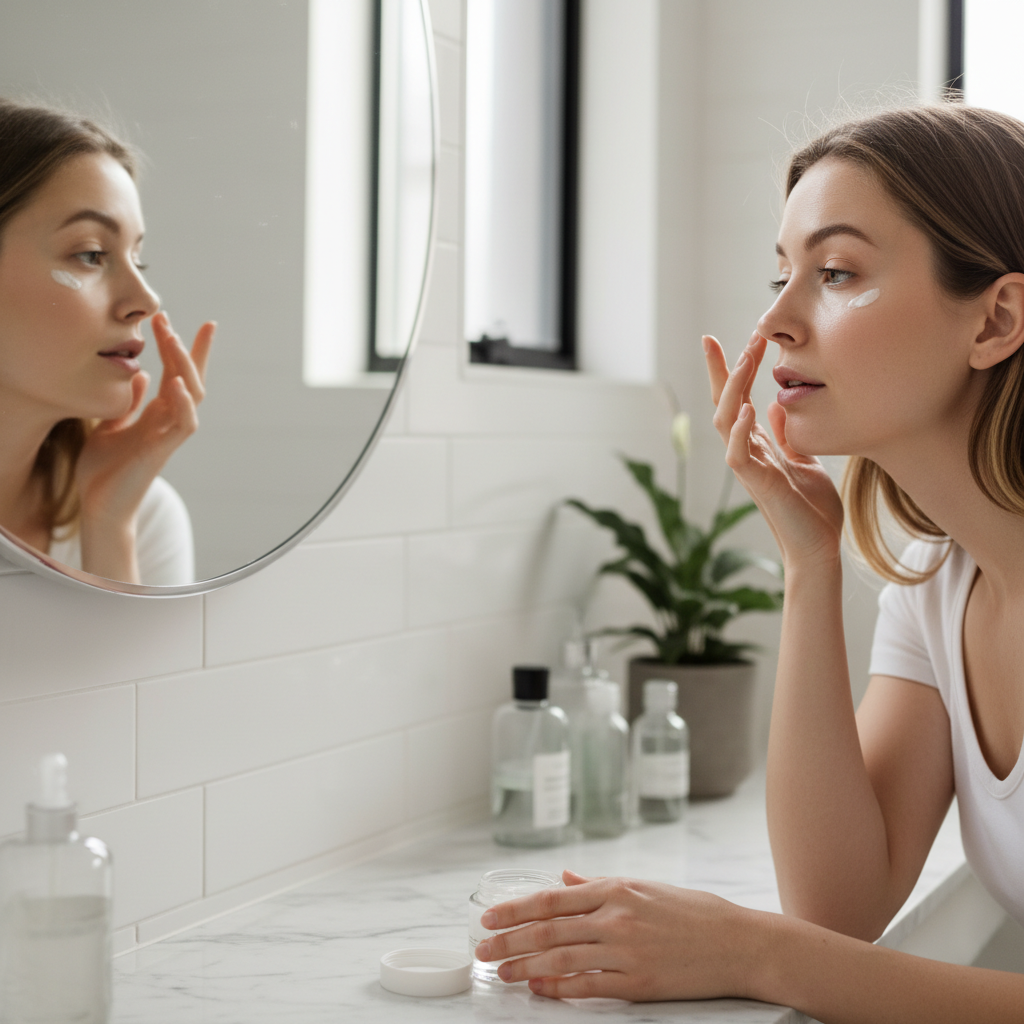
- 1. Diagnose yourself honestly. Stand in natural light, use the tests above, and write down your top two types. This alone puts you ahead of most “best eye cream” shoppers.
- 2. Pick one hero product per need instead of buying five at once.
Example: For pigment + vascular, choose a vitamin C/niacinamide eye cream for day and a caffeine + peptide formula for morning de‑puffing. Refer to the product ideas above and pick what fits your budget. - 3. Commit to 8–12 weeks. Under‑eye skin is slow to change. Take a before photo in bright light and stick with your routine; most clinically‑tested formulas in 2025 are evaluated over at least 8 weeks for results, not 8 days.[3][4]
If you’ve been disappointed by generic “best anti‑aging eye cream” lists, this cause‑based approach is your exit ramp. When you tie caffeine, peptides, retinol, vitamin C and niacinamide to the exact kind of dark circles or puffiness you have, every dollar you spend starts working a lot harder.