Dental implants offer a long-term solution for missing teeth, providing both aesthetic and functional benefits. However, the financial aspect is often a significant consideration for those considering this procedure. Understanding the full scope of costs involved can help you prepare better, ensuring no surprises along the way.
Breaking Down the Cost of Dental Implants
Dental implants are a multi-step process, each stage contributing to the overall cost. Here’s a look at the main components:
Initial Consultation and Evaluation
The journey begins with an initial consultation to assess your oral health and suitability for implants. This step often involves X-rays or 3D imaging to create a detailed picture of your dental structure. While some clinics may offer free consultations, others may charge a fee for this in-depth assessment.
Surgical Procedure
The core cost of dental implants includes the surgical procedure to place the implant into your jawbone. This process is usually performed under local anesthesia, but some patients may opt for sedation, which can increase the expense. The complexity of the surgery, including the need for extractions or bone grafting, can also affect the cost.
Abutment and Crown Placement
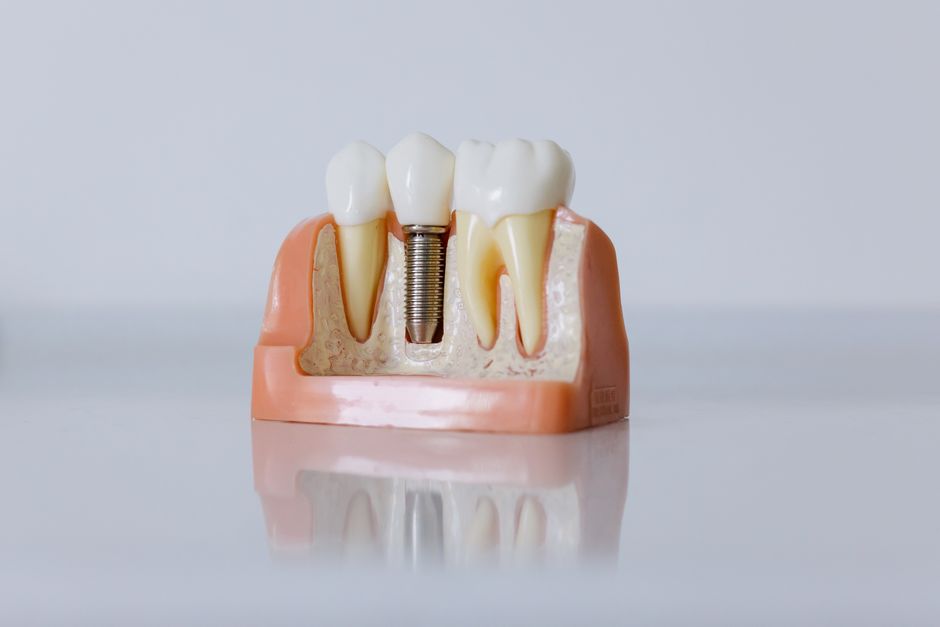
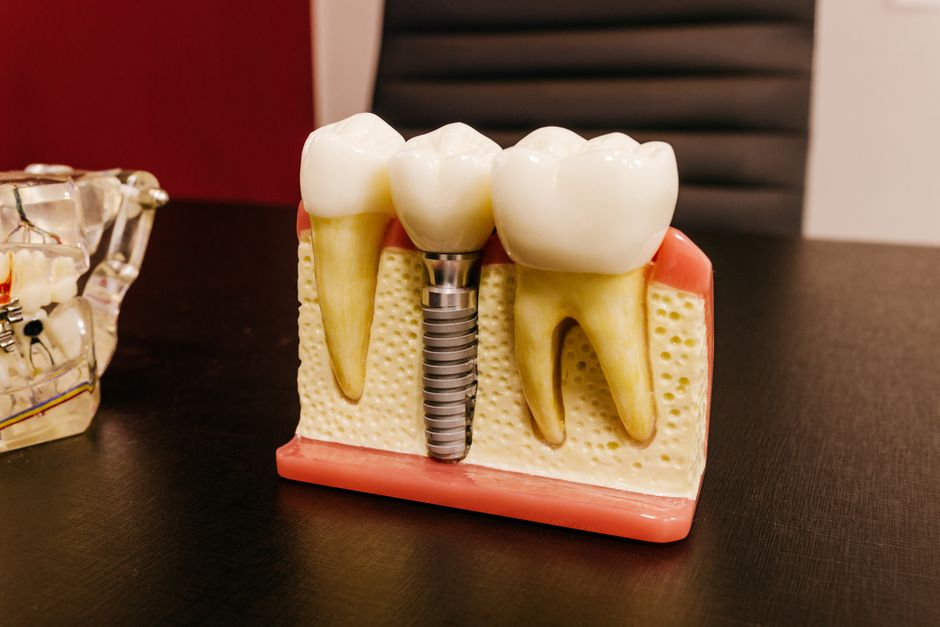
Once the implant has fused with the jawbone—a process that can take several months—an abutment is placed to connect the implant to the crown. The crown itself is custom-made and can vary significantly in price depending on the material used, such as porcelain or zirconia.
Additional Costs to Consider
Beyond the basic steps of getting a dental implant, there are additional costs to keep in mind:
Pre-Procedure Treatments
If you require preparatory treatments such as tooth extractions or bone grafting, these will add to the overall cost. Bone grafting is particularly common if your jawbone lacks the necessary density to support an implant.
Post-Procedure Care
After the implant is placed, follow-up visits are essential to ensure proper healing and fit. These visits may be covered in the initial cost or billed separately, depending on the clinic’s policy.
Insurance and Financing Options
Dental insurance can be a valuable resource, but coverage for implants varies widely. Some plans may cover parts of the procedure, such as the crown, while others might not cover implants at all. It’s crucial to review your insurance policy and discuss it with your provider to understand your benefits.
For those without insurance or with limited coverage, financing options are available. Many dental clinics offer payment plans that allow you to spread the cost over several months or even years. Additionally, medical credit cards can provide a flexible payment solution, often with interest-free periods.
Tips for Reducing Costs
While dental implants are inherently expensive, there are ways to manage and potentially reduce the out-of-pocket cost:
- Shop Around: Prices can vary significantly between clinics. Getting quotes from multiple providers can help you find a competitive price.
- Consider Dental Schools: Dental schools often offer implant procedures at a reduced rate, performed by students under supervision.
- Negotiate: Some clinics may be willing to negotiate the price or offer discounts for upfront payments.
Potential Risks and Considerations
While focusing on cost, it’s equally important to consider the quality and expertise of the provider. Dental implants require precision and skill, and choosing a reputable professional is crucial for a successful outcome. Cheaper options might save money initially but could lead to complications or a need for corrective procedures down the line.
Conclusion
Understanding the cost of dental implants involves more than just the price tag of the procedure itself. By considering all aspects—from pre- to post-procedure expenses and exploring insurance and financing options—you can make an informed decision that aligns with your budget and health needs. Planning thoroughly and choosing the right provider will ensure a rewarding investment in your oral health and overall well-being.