
Back pain is a common issue that can interfere with everyday activities, disrupt sleep, and reduce quality of life. Choosing the right mattress is crucial in managing and alleviating this discomfort. Ergonomics, the science of designing products to fit the user’s needs, plays a vital role in selecting a mattress that supports spinal health and reduces pain.
Understanding Ergonomics in Mattresses
Ergonomics focuses on creating products that align with the body’s natural posture, minimizing stress and promoting comfort. When it comes to mattresses, ergonomic design involves providing adequate support for the spine, maintaining its natural curve while sleeping. A well-designed mattress ensures that pressure is distributed evenly across the body, reducing strain on pressure points like the hips, shoulders, and lower back.
There are several elements to consider in an ergonomic mattress. These include firmness, materials, and zoned support systems. Each of these components contributes to how well a mattress can alleviate back pain.
Firmness: Finding the Right Balance
The firmness of a mattress is often the first factor people consider when seeking relief from back pain. However, the ideal firmness is subjective and varies from person to person. Generally, a medium-firm mattress is recommended as it offers a balance between support and comfort, but individual preferences can differ based on body weight, sleeping position, and personal comfort.
Side sleepers may benefit from slightly softer mattresses, which cushion the shoulders and hips, while back or stomach sleepers may prefer firmer options to prevent sagging and support spinal alignment.
Materials Matter
Different materials offer varying levels of support and comfort. Memory foam is popular for its ability to contour to the body, providing pressure relief and support. Latex mattresses offer similar benefits but with more responsiveness and breathability. Innerspring mattresses, on the other hand, provide a traditional feel with good airflow, which can be beneficial for hot sleepers.
Hybrid mattresses combine materials, offering the contouring of memory foam or latex with the support of innersprings. This combination can cater to a broader range of preferences and needs, making hybrids a versatile choice for people with back pain.
Zoned Support Systems
Zoned support is an advanced ergonomic feature found in some mattresses. This technology divides the mattress into sections, each with varying levels of support tailored to different parts of the body. Typically, these mattresses have firmer sections under the lower back and hips to promote alignment and softer zones under the shoulders and knees for pressure relief.
Zoned support can be particularly beneficial for people who experience specific pain points, as it helps maintain a natural spinal curvature while accommodating different body weights and shapes.
Choosing the Right Mattress for Your Needs
When selecting a mattress, personal comfort should be your primary consideration. Testing mattresses in-store or choosing retailers with generous return policies allows you to try the mattress in your home environment.
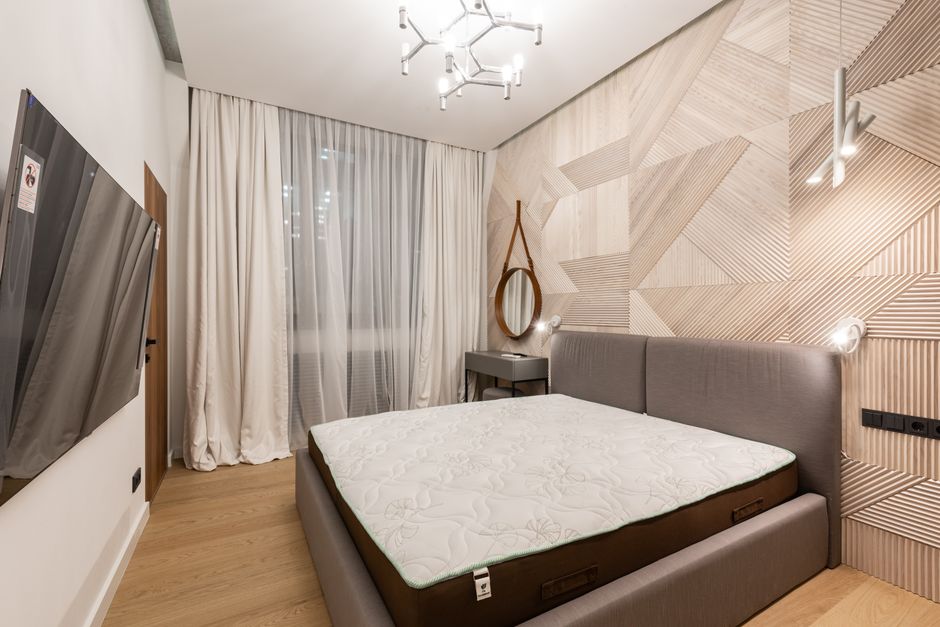
Consider your sleeping position and any specific back issues you face. A healthcare professional, such as a chiropractor or physiotherapist, can offer guidance tailored to your needs, helping you make an informed decision.
Common Mistakes to Avoid
Many people make the mistake of choosing mattresses based solely on price or brand reputation rather than their personal comfort and support needs. Another common error is neglecting to replace an old mattress, which can lose its supportive qualities over time.
It’s also important not to overlook the role of a good pillow, as it works alongside the mattress to support proper alignment. Invest in a pillow that complements your mattress choice and sleeping style.
FAQs about Mattresses and Back Pain
Can a mattress really help alleviate back pain?
Yes, an ergonomically designed mattress can significantly reduce back pain by supporting proper spinal alignment and reducing pressure on sensitive areas.
How often should I replace my mattress?
Typically, mattresses should be replaced every 7 to 10 years, but this can vary based on material quality and personal comfort levels.
Is a firmer mattress always better for back pain?
Not necessarily. The best firmness level depends on personal comfort and sleeping position. A medium-firm mattress is often recommended, but individual needs can vary.
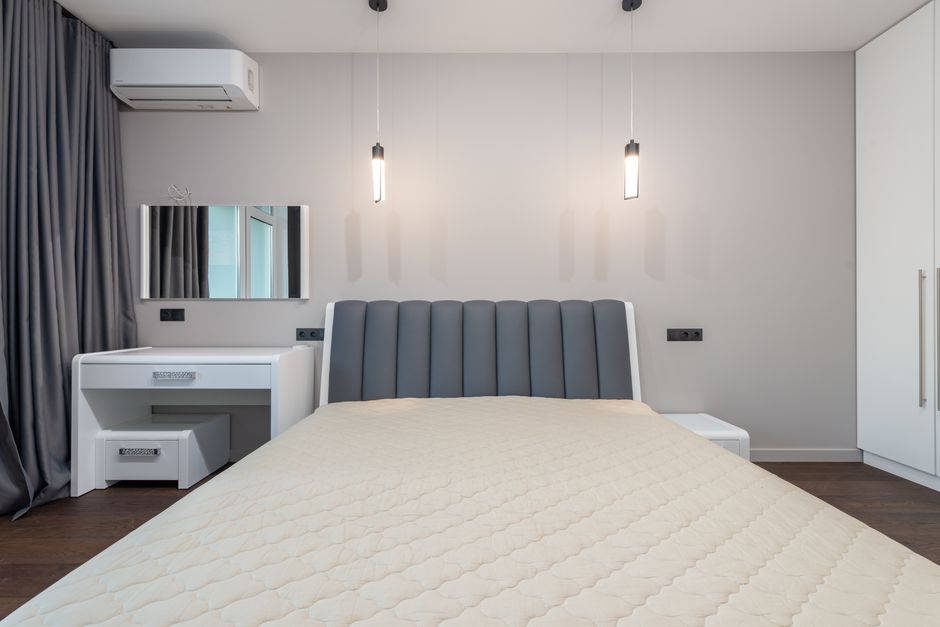
In conclusion, selecting the right mattress involves understanding the principles of ergonomics and how they apply to your specific needs. By considering factors like firmness, materials, and zoned support, you can find a mattress that not only provides comfort but also helps alleviate back pain, improving both sleep quality and overall well-being.