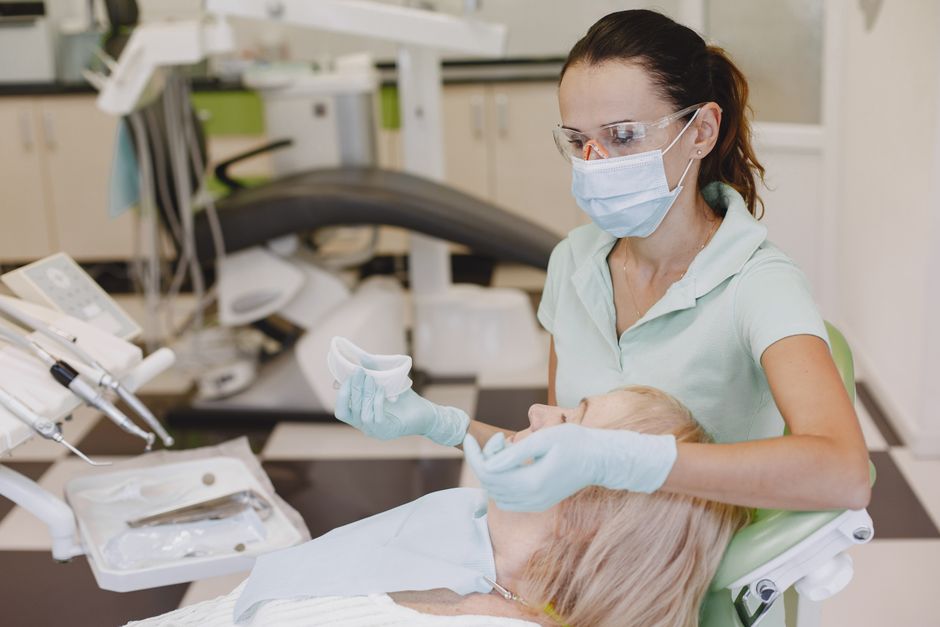
For many, dental health doesn’t always seem like a top priority until an issue arises that requires immediate attention. Skipping dental insurance can appear to be a cost-saving decision initially, but the longer-term financial and health implications could prove otherwise. Understanding these potential hidden costs can underscore the importance of maintaining dental coverage.
Financial Impacts of Skipping Dental Insurance
Without dental insurance, the cost of routine check-ups, cleanings, and necessary procedures can quickly add up. Routine dental maintenance can prevent costly treatments down the line, but without insurance, even these regular appointments can strain finances.
More serious dental issues, such as cavities, root canals, or gum disease treatments, often come with significant price tags. Dental insurance typically covers a portion of these costs, reducing the out-of-pocket expenses. In the absence of coverage, patients may face paying the full amount themselves.
Moreover, dental emergencies—like a chipped tooth or sudden severe pain—can occur unexpectedly. Emergency treatments are often costly, and without insurance, the financial burden can be considerable. These scenarios illustrate how skipping dental insurance can lead to overwhelming expenses that might have been mitigated with a suitable plan.
Health Risks of Forgoing Dental Insurance
Beyond the financial considerations, not having dental insurance can also pose significant health risks. Regular dental visits enable early detection of potential issues, allowing for preventative measures before problems escalate. Without insurance, individuals might delay or avoid these visits, leading to untreated conditions.
Conditions like gum disease and tooth decay can progress silently, with symptoms not always apparent until significant damage has occurred. Regular dental check-ups and cleanings are key to preventing these issues. They not only help maintain oral health but also contribute to overall health, as dental problems can sometimes be linked to systemic issues such as heart disease and diabetes.
The absence of routine care due to skipped insurance can lead to more severe health challenges, making an argument for the health protective role of dental insurance.
Understanding Your Options
For those considering dental insurance, it’s important to understand the available options. Dental plans can vary widely in terms of coverage, costs, and benefits. Some plans cover basic preventive care while others might include more comprehensive coverage including major procedures or orthodontic treatment.
Typically, dental insurance is offered through employer-sponsored benefits, but individual plans are also available for those without access through work. Each type has its own set of advantages and potential drawbacks, making it crucial to assess personal dental health needs and financial ability when choosing a plan.
Considerations should include monthly premiums, deductibles, co-pays, and the network of available dentists. Comparing these factors can help in selecting a plan that offers the best balance of affordability and coverage.
Common Mistakes to Avoid
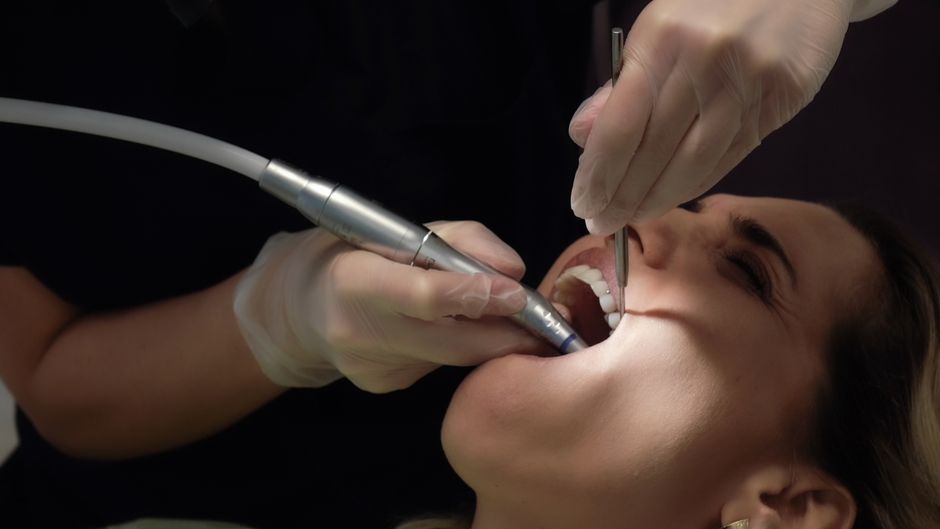
When evaluating dental insurance options, there are common pitfalls to be aware of. One mistake is choosing a plan based solely on the premium cost. While affordability is important, a low-cost plan may offer limited coverage, leading to higher out-of-pocket expenses during dental visits.
Another mistake is not understanding the details of what is covered. Ensure the plan includes the services most important for your dental health needs. For example, if you anticipate requiring orthodontic treatment, confirm it is covered under your potential plan.
Lastly, not checking the network of dentists can be a costly oversight. Dental insurance plans usually have a network of preferred providers. Seeing an out-of-network dentist often results in higher costs, so it’s crucial to verify that your preferred dentist is included within the plan’s network.
Making the Most of Dental Insurance
To maximize the benefits of having dental insurance, start by utilizing preventive services like exams and cleanings, which are often fully covered. This not only helps maintain oral health but can also prevent more costly treatments.
Understand your policy well, including annual limits on coverage and any waiting periods for certain procedures. Being informed can help in planning treatments and managing costs efficiently.
Finally, regularly evaluate your dental insurance plan. Dental health needs can change over time, and periodically reviewing your plan ensures it continues to meet your needs without unnecessary expense.

Conclusion
While skipping dental insurance may seem like an easy way to cut costs, the potential financial and health impacts suggest otherwise. Dental insurance offers a means to safeguard both your finances and your health. By understanding the range of coverage options and learning from common mistakes, you can choose a plan that provides significant benefits and peace of mind.