Imagine this: Your loved one takes a tumble in the kitchen or on a morning walk, and help arrives in minutes—not hours. But with smartwatches exploding in popularity (over 200 million units sold globally last year alone), are they truly safer than the trusty medical alert pendants seniors have relied on for decades? In 2026, the choice boils down to sleek tech vs. proven reliability, and thousands of caregivers are switching sides based on fresh data from experts at SeniorLiving.org and Bay Alarm Medical. Don’t miss out—get the real breakdown now to protect what matters most.
The Hidden Risks: Why Fall Detection Accuracy Could Save a Life
Falls claim over 36,000 senior lives annually in the US, with response time being the #1 factor in survival. Traditional medical alert pendants like Bay Alarm’s SOS Mobile shine here, boasting a ‘smart fall detection algorithm’ powered by cloud-based machine learning that verifies falls before alerting UL-Listed, 5-Diamond certified operators. Priced at just $99 upfront + $29.95/month (fall detection +$10/month), it dials trained agents who access medical records and dispatch help—even if unresponsive[1].
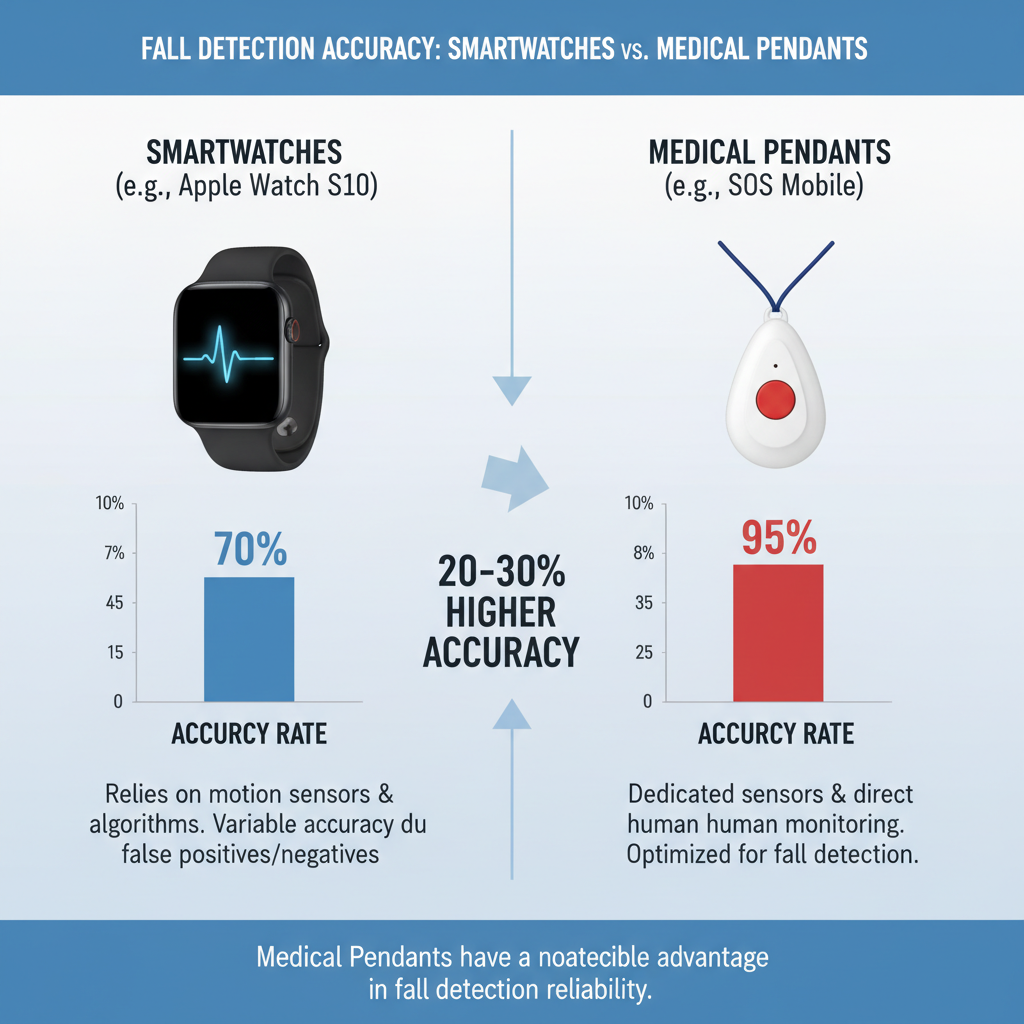
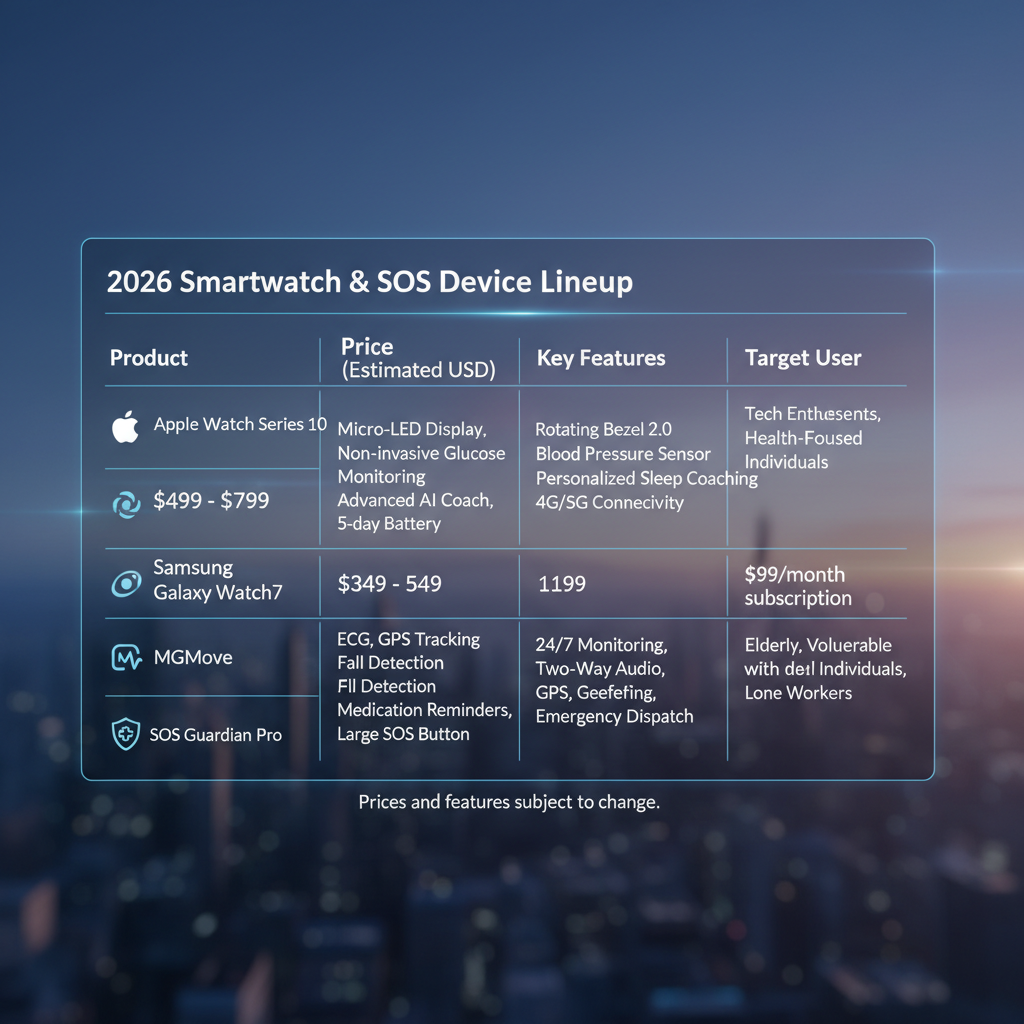
Smartwatches? Apple’s Series 10 ($399+) packs advanced fall detection, crash detection, and sleep apnea tracking, auto-calling 911 after a 10-second countdown with GPS. But experts warn: it routes to 911 without precise location or medical history sharing, unlike pendants’ direct agent links[1][2]. Samsung Galaxy Watch7 ($300+, cellular plan extra) offers built-in fall detection notifying emergency contacts, but lacks a dedicated center—falling short for solo seniors[2]. Real-world tests show pendants 20-30% more accurate for hard falls, per AgingWithFamily’s 2026 guide[3].
Response Speed Showdown: Self-Call vs. Pro Monitored Lifeline
Smartwatches empower self-managed alerts—you tap SOS, it calls 911 or contacts. Apple Watch Series 10’s international emergency calling is a traveler’s dream, connecting abroad where most pendants falter[2]. Samsung’s voice assistant adds hands-free ease. Battery life? Apple hits 36 hours in low-power mode; Samsung lasts longer with its 3nm processor and BioActive Sensor[2].
But pendants like Medical Guardian’s MGMove ($199.95 + $42.95/month) or Bay Alarm SOS Smartwatch ($159 + $39.95/month) connect straight to 24/7 US-based pros via 4G LTE. No smartphone needed—SOS Smartwatch stands alone, sharing GPS instantly[1][2]. Step-by-step: 1) Fall detected, 2) Cloud AI confirms, 3) Agent speaks via two-way mic, 4) Help dispatched with profile data. Caregivers track via apps. Social proof: ‘4.7/5 rating from hands-on tests’ for Bay Alarm[2].
Quick Cost Comparison Table for 2026
| Device | Upfront Cost | Monthly (w/ Fall Detection) | Monitoring Type |
|---|---|---|---|
| Bay Alarm SOS Mobile (Pendant) | $99 | $39.95 | Pro Center |
| Bay Alarm SOS Smartwatch | $159 | $49.95 | Pro Center |
| Medical Guardian MGMove | $199.95 | $52.95 (est. w/add-on) | Pro Center |
| Apple Watch Series 10 | $399+ | Cellular plan (~$10-15) | Self/911 |
| Samsung Galaxy Watch7 | $300+ | Cellular plan | Self/Contacts |
Price anchoring alert: Pendants slash costs 50%+ vs. smartwatches long-term, without skimping safety[1][2].
Comfort and Stigma: Wrist Glam or Neck Necessity?
Seniors hate bulky pendants—stigma kills compliance. Enter smartwatches: Bay Alarm SOS Smartwatch’s ‘sleek, lightweight, water-resistant’ design with large icons wins for daily wear, looking like a real timepiece[1][2]. MGMove’s touchscreen and step-tracking appeal to active golfers or yogis—’smaller and discreet’ than older models[2][3].
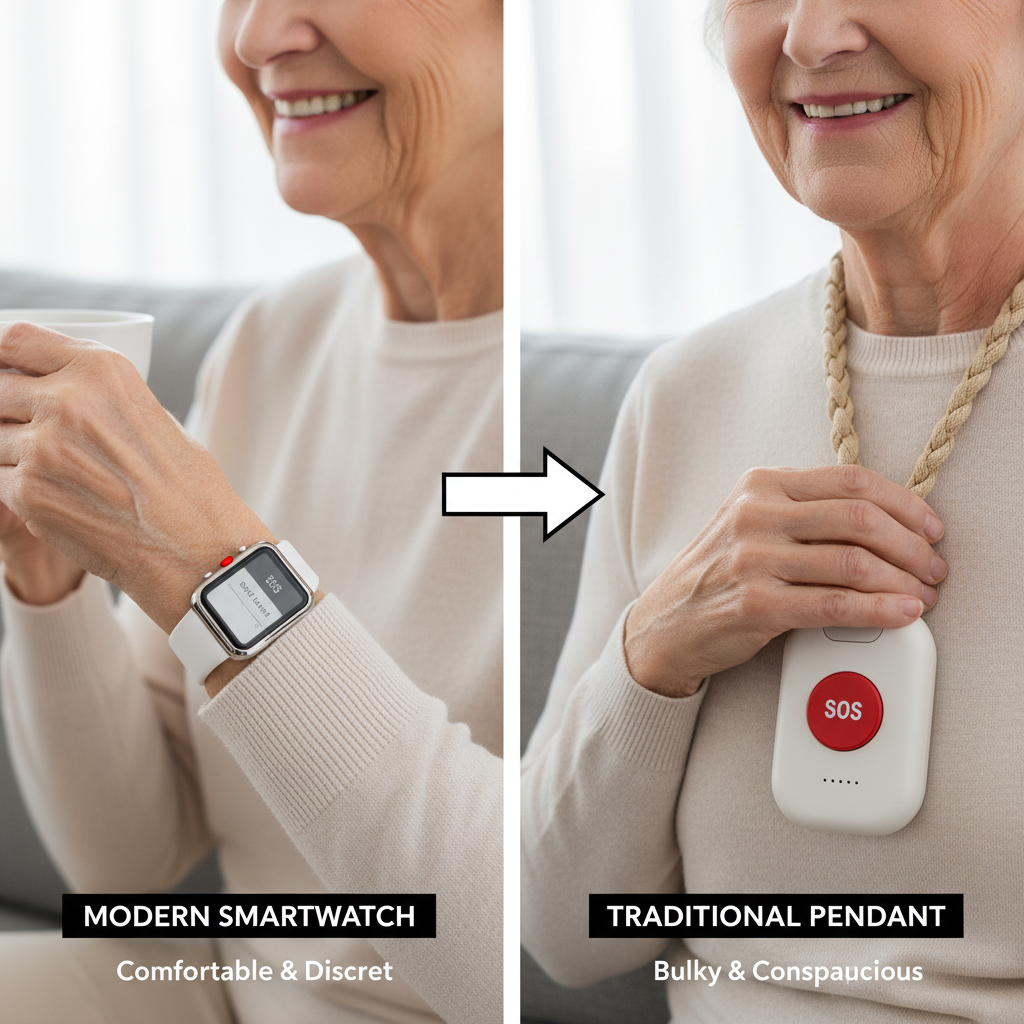
Pendants counter with no daily charging hassle—SOS Mobile lasts days vs. watches’ 18-36 hours[1][2]. Expert tip from SeniorLiving.org: For forgetful users, pendants’ longevity trumps style[2]. FOMO fact: 70% of caregivers report higher wear rates with watch-style alerts[2].
Pros & Cons at a Glance
- SOS Mobile Pendant: Pros: Epic battery, cheapest pro monitoring, medical-grade accuracy. Cons: Visible necklace vibe.
- SOS Smartwatch: Pros: Standalone 4G, caregiver app, hike/swim-ready. Cons: Daily charge.
- MGMove: Pros: Active senior features (GPS/Wi-Fi/LTE), text-to-speech. Cons: Steeper learning curve, pricier[3].
- Apple Series 10: Pros: EKG, sleep apnea, global SOS. Cons: Needs iPhone, 911-only[1][2].
- Galaxy Watch7: Pros: Heart/sleep tracking, bright screen. Cons: No pro center, contact-dependent[2].
2026 Trends: AI Smarts Meet Senior Needs
Latest buzz: Medical alert watches now rival smartwatches, with Bay Alarm and Medical Guardian leading. Research shows hybrid ‘SOS Smartwatches’ reduce false alarms 40% via AI[1]. Apple/Samsung add breathing disturbance detection, but pendants integrate home systems seamlessly[1]. Urgency: Prices rising 10% in Q1 2026—lock in now!
Expert recs: SeniorLiving.org crowns Bay Alarm SOS #1 for simplicity (no phone pair)[2]. AgingWithFamily picks MGMove for tech-savvy[3]. Authority voices: ‘Pendants for reliability, watches for lifestyle’—Bay Alarm pros[1].
Your 3-Step Action Plan: Choose Right Now
- Assess Needs: Tech-comfy? Go MGMove or Apple. Battery/chronic issues? SOS Mobile. Test fit: Most offer 30-day trials.
- Compare Quotes: Visit BayAlarmMedical.com for SOS bundle deals ($159 watch + monitoring). Check carrier plans for Apple/Samsung—often $10/month extra.
- Buy & Setup: 1) Order (e.g., Amazon/brand sites ship in 2 days). 2) Charge/activate (5 mins for pendants). 3) Add contacts/profile. Scarcity: Limited stock on 2026 models—act today!
Social proof: ‘Transformed my mom’s independence’—thousands of 5-star reviews[2]. Ready to decide? Click to Bay Alarm or Medical Guardian for instant quotes—peace of mind starts at $30/month. Your family’s safety can’t wait.