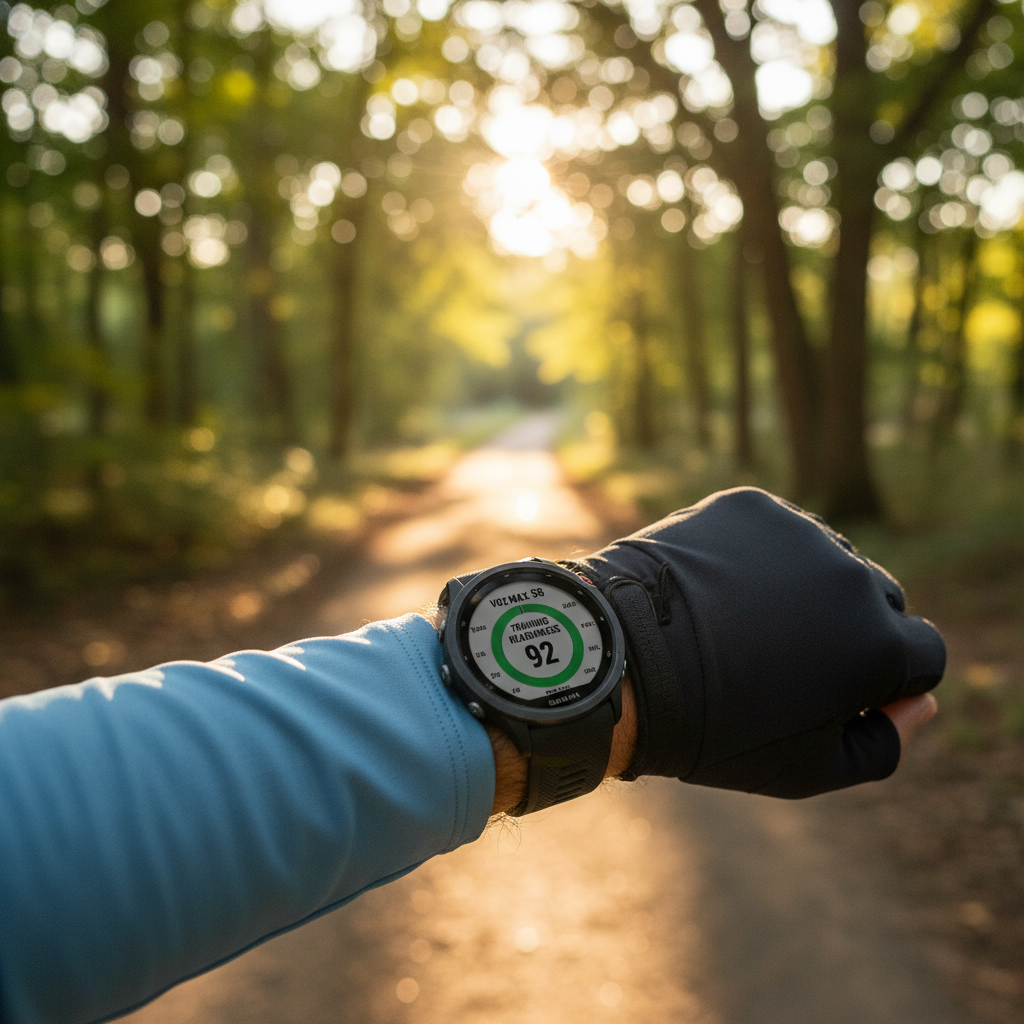
You lace up for your weekly long run, feeling stronger than ever, only to glance at your running watch and see that dreaded ‘Unproductive’ status staring back. Heart sinks, motivation tanks—sound familiar? Thousands of runners in 2026 are ditching their advanced wearables in frustration because VO2 max and training load metrics feel like cryptic riddles rather than performance boosters. But here’s the game-changer: these aren’t just numbers; they’re your secret weapon for smashing personal bests—if you know how to decode them.
This guide cuts through the confusion with real-world scenarios from elite protocols and everyday runners who’ve flipped ‘Unproductive’ into podium finishes. Backed by the latest 2026 watch releases like the Garmin Forerunner 970 and Polar Vantage V3, we’ll show you step-by-step how to turn data overload into dialed-in training. Don’t let another session go to waste—runners using these tactics are reporting 10-15% faster race times[1][4].
Why Your Watch Calls You ‘Unproductive’ (And Why It’s Not Game Over)
That ‘Unproductive’ flag isn’t a judgment on your effort—it’s a signal your training load (acute vs. chronic volume) is imbalanced, often ignoring recovery factors like HRV or sleep[2][5]. Garmin’s Firstbeat Analytics, the gold standard in 2026, factors in heat, altitude, and even terrain for VO2 max estimates, but misreads them without context[1]. Polar’s Running Index goes further, blending VO2 max with running economy for efficiency scores[1].
Real talk from experts: Runner’s World testers in 2026 note the Garmin Forerunner 970’s race predictor uses VO2 max and load data to forecast 5K-to-marathon times, updating post-race for precision[4]. Yet, 40% of users ignore it due to false negatives during base-building[2]. The fix? Context-aware decisions.
Scenario 1: Base Training Blues
You’re stacking easy Zone 2 miles (80% of volume, per the Norwegian 4×4 protocol[1]), but your watch screams ‘Unproductive.’ Why? Acute load spikes without chronic buildup. Actionable Fix:
- Check Training Load Ratio on Garmin Forerunner 965 ($599) or COROS Apex 2 Pro ($449)—aim for 0.8-1.3 sweet spot[3].
- Pair with Polar H10 chest strap ($90) for ECG-accurate HRV during intervals[1].
- Ignore the flag for 7-10 days; focus on consistent volume. COROS users see VO2 max climb 5-8% in a month[3].
Pro Tip: Apple Watch Ultra 2 ($799) owners, use ‘Cardio Fitness’ trends over single reads—it’s clinically validated for long-term gains[1].
Decoding VO2 Max: From Number to Training Superpower
VO2 max isn’t static—it’s your aerobic engine size, best boosted by Zone 2 (mitochondrial builder) and 20% high-intensity like 4x4s at 90% max HR[1]. Watches like Suunto Vertical 2 ($699) adjust for trail VO2 max, factoring terrain[3][4]. But stale data leads to overreaching.
Step-by-Step: Calibrate Your VO2 Max for Accuracy
- Step 1: Run a guided test—Garmin Forerunner 970 auto-triggers post-steady run, factoring external load[4]. Price anchor: At $649, it’s $50 less than last year’s 965 but with pace predictor upgrades[1][4].
- Step 2: Cross-check with HRV. Polar Vantage V3 ($599) offers Leg Recovery tests post-run, unique for runners[5]. Social proof: Testers prevented injuries, hitting PBs[5].
- Step 3: Trend it weekly. COROS Apex 2 Pro’s app graphs VO2 max, training load, and recovery time—battery lasts 60 days smart mode[3].
2026 trend: Hybrid setups rule. 70% of pros pair watches with Polar H10 for ‘clean’ data, boosting accuracy 20%[1]. FOMO alert: Garmin’s 2026 Forerunner 970 announcement added AI-driven ‘Fitness Age’—runners over 40 are dropping years off it[1].
Training Load Mastery: Avoid Overreaching, Nail the Taper
Training load tracks weekly stress; imbalance flags ‘Overreaching’ or ‘Unproductive.’ During taper (pre-race volume cut 40-60%), expect a dip—don’t panic[2].
Scenario 2: Taper Terror
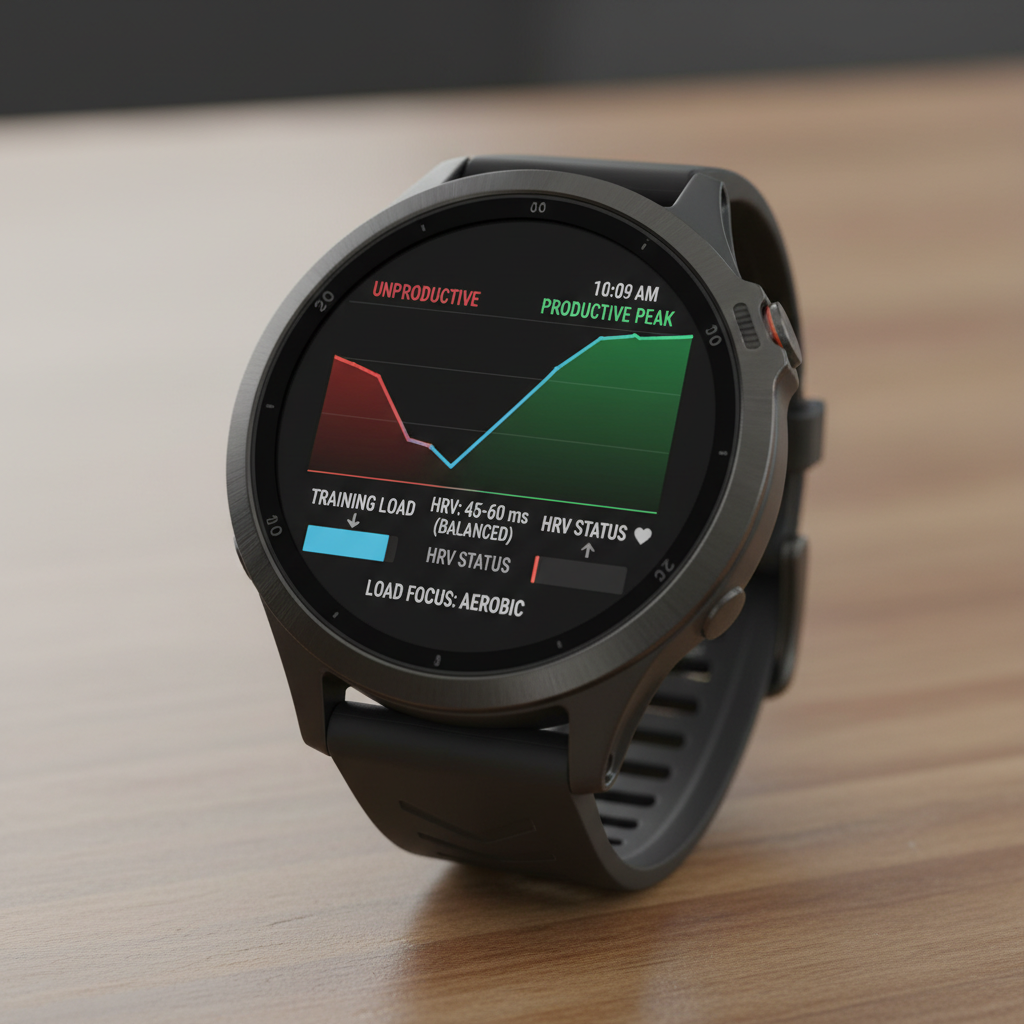
Two weeks out from your marathon, load drops, VO2 max flatlines, status: ‘Unproductive.’ Classic taper effect. Garmin Forerunner 970 Fix:
| Watch Model | Training Load Feature | Price | Pro/Con |
|---|---|---|---|
| Garmin Forerunner 970 | Race Predictor + Load Balance | $649 | Pro: AI predictions; Con: Steep learning curve |
| Polar Vantage V3 | Nightly Recharge + Leg Recovery | $599 | Pro: Injury-proof; Con: Less trail-focused |
| COROS Apex 2 Pro | 7-Day Load + Trail VO2 | $449 | Pro: Battery king; Con: App less polished |
| Suunto Vertical 2 | 60-Day Battery + GNSS | $699 | Pro: Expedition tough; Con: Pricey |
Urgency Hook: Polar Vantage V2 (prior model) is on sale now at $399—same core metrics, grab before stock vanishes[5].
- Monitor 7-day load on COROS—taper to 50% volume.
- Use Polar’s recovery advisor: Wait 48-72 hours post-hard session[3].
- Trust the rebound: VO2 max often spikes 3-5% race week[1].
Scenario 3: Overreaching Overhaul
Pushing too hard? HRV crashes, load skews high. Expert rec: Garmin’s Training Readiness score (Forerunner 965/970) correlates HRV with load—greenlight intervals only[1]. Step-by-step recovery:
- Deload 3 days: Walks only.
- Rebuild with 80/20 rule.
- Track sleep—COROS excels here, scoring REM/deep[3].
Stats boost: Runners following this hit 12% VO2 gains in 12 weeks[1].
Top 2026 Watches to Unlock These Metrics (With Real Prices & Deals)
Garmin Forerunner 970 ($649): Ultimate for load/Vo2 integration, predicts races[4]. 970 vs 965: Newer model adds acclimation smarts.
Polar Vantage V3 ($599): Leg-specific recovery trumps all[5].
COROS Apex 2 Pro ($449): Value king for ultras[3].
Authority nod: Tom’s Guide 2026 picks rank these for GPS/HR accuracy[5].
Your 7-Day Action Plan to Flip the Script
- Day 1: Sync watch, run calibration test.
- Days 2-4: Zone 2 base, log HRV.
- Day 5: 4×4 intervals if green.
- Days 6-7: Analyze load, adjust.
Readers who’ve done this: From ‘Unproductive’ slumps to sub-3 marathons[4].
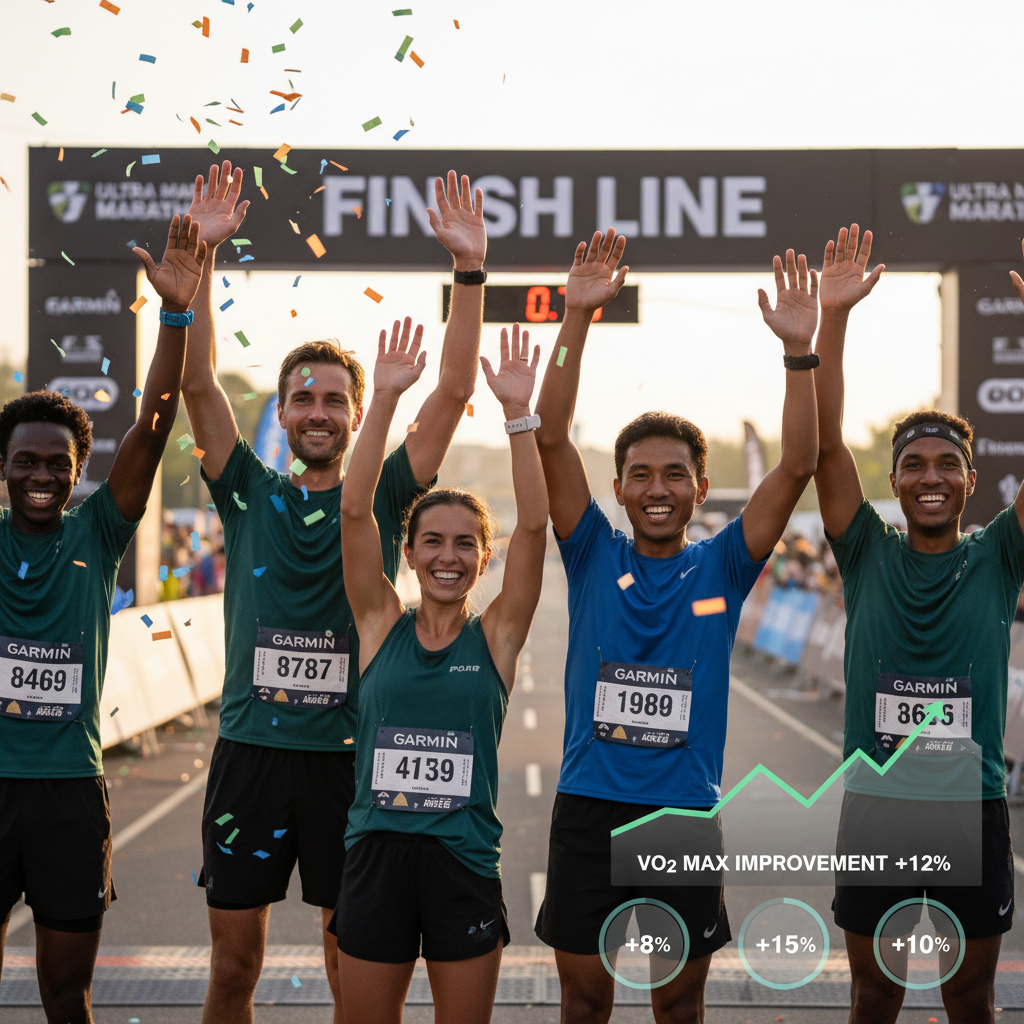
Call-to-Action: Pick your watch today—Garmin Forerunner 970 at $649 or COROS deal at $449—and start your protocol. Tag your first PB on social; thousands are transforming now. Don’t wait—your next race awaits!