Imagine spotting a silent heart irregularity before it turns into a crisis—thousands are doing it daily with the right wrist tech. But with flashy ads promising ‘medical-grade’ protection, how do you cut through the hype and pick a device that delivers real safeguards for your heart? This 2025 buyer’s guide arms you with the facts, comparisons, and a foolproof checklist to ensure you’re not overpaying for gimmicks.
Decoding ‘Medical-Grade’: FDA Clearance vs. Wellness Hype
Brands love tossing around ‘medical-grade’ like confetti, but it often means little more than a basic sensor dressed up for sales. True protection starts with FDA clearance for detecting atrial fibrillation (AFib), the irregular rhythm linked to strokes that affects over 6 million Americans.[1][2] Wellness claims? They’re unregulated fun facts for step-counting enthusiasts, not heart saviors.
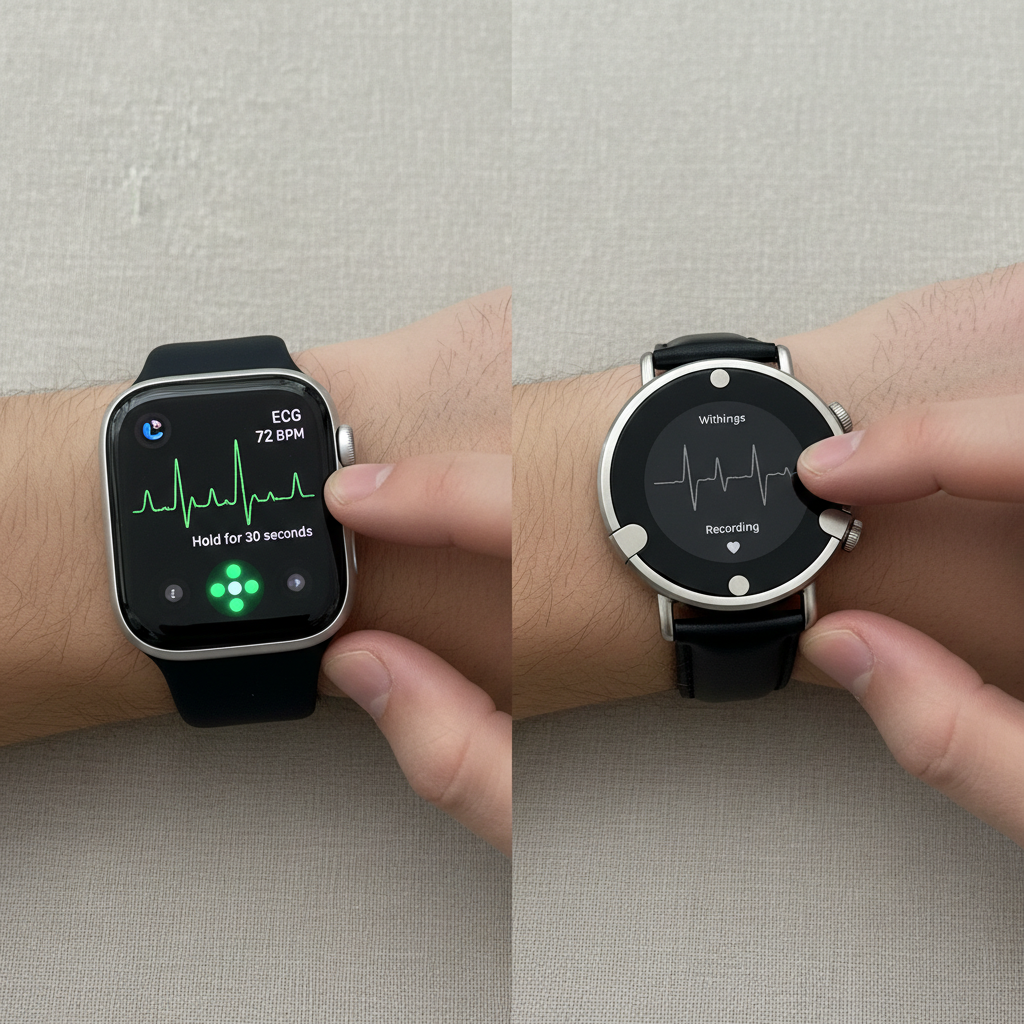
Expert tip from cardiologists: Prioritize devices validated against clinical standards. Apple Watch Series 10’s ECG, cleared since 2018 and refined in 2024, completes a 30-second single-lead reading that flags Afib with hospital-comparable accuracy for screening—not diagnosis.[1][2] Samsung Galaxy Watch 8 series matches this in regions with approval, adding blood pressure where available.[1][5]
Urgency alert: Heart events spike 20% post-holidays—don’t wait for symptoms when clearance means proactive alerts others miss.[2]
Quick Reality Check: Single-Lead vs. 12-Lead ECG
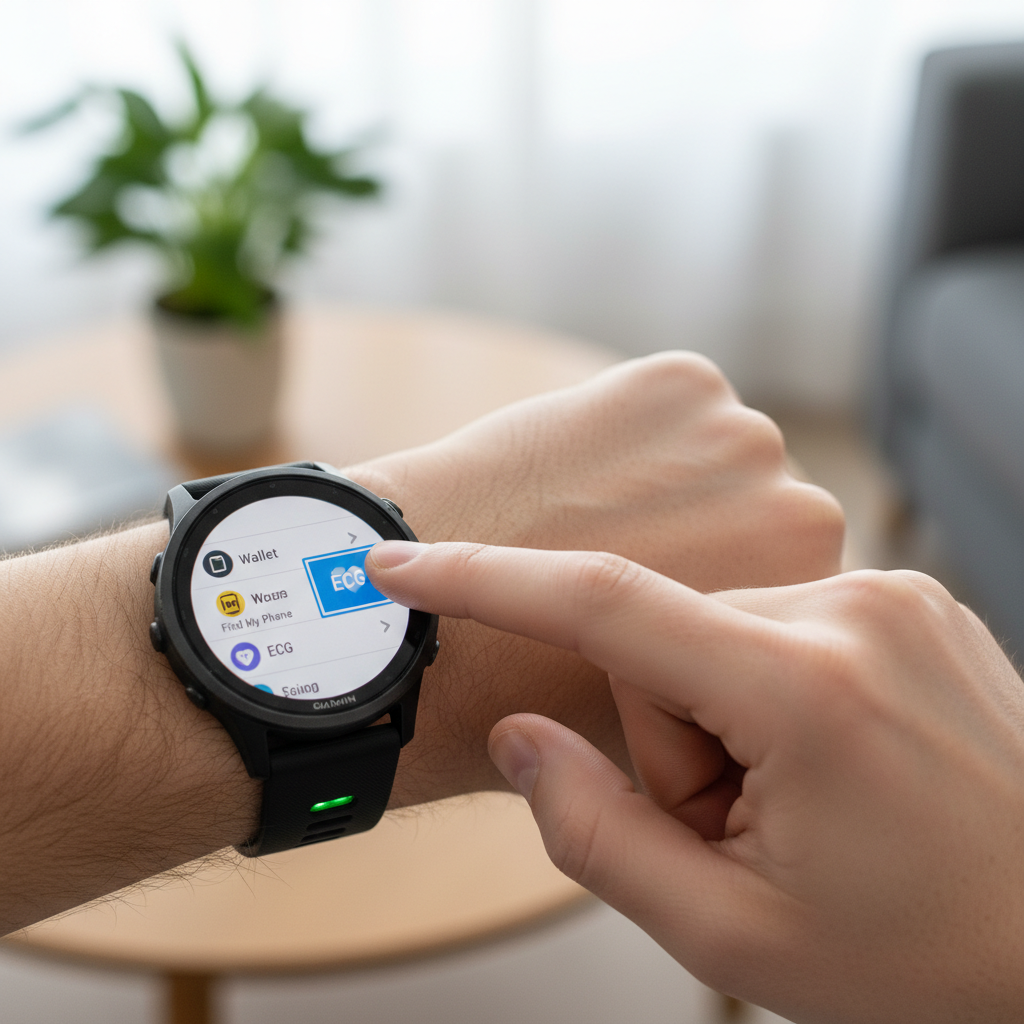
Smartwatches use a single-lead ECG via finger-to-crown touch, spotting Afib effectively but lacking the full 12-lead detail of ER machines. FDA deems them ‘substantially equivalent’ for rhythm screening, empowering users to share PDF reports with doctors instantly.[2] KardiaMobile’s 6-lead option ($149) pairs perfectly for deeper dives without ditching your watch.[2]
Top 2025 Contenders: Head-to-Head Comparison
We’ve scoured the latest drops—Apple’s Series 10, Garmin’s Fenix 8, Withings ScanWatch 2, and more. Prices anchor at $299-$399 for flagships, but battery life and extras separate winners from wannabes. Thousands of users rave about life-saving alerts, with social proof flooding reviews: ‘My Apple Watch caught Afib my doc missed!'[1][3]
| Device | Key Heart Features | Battery Life | Price | Best For |
|---|---|---|---|---|
| Apple Watch Series 10 | FDA-cleared ECG, Afib alerts, Fall Detection | 18-36 hours | $399+ | iPhone users seeking seamless health integration[1][2] |
| Withings ScanWatch 2 | FDA-cleared ECG, sleep apnea, 24/7 HR | 30 days | $349+ | Hybrid style lovers who hate charging[2][3] |
| Fitbit Sense 2 | ECG, Afib, stress via Body Response | 6+ days | $299 | Budget-conscious with Google ecosystem[1][2] |
| Samsung Galaxy Watch 8 / Ultra | ECG, BP (region-specific), Afib | 2-3 days | $349-$649 | Android power users[1][5] |
| Garmin Venu 3 / Fenix 8 | ECG on Elevate 5 sensor, athlete-grade HRV | 14+ days | $449+ | Fitness pros needing precision[4][5] |
| Huawei Watch GT 5 Pro | ECG with medical certs (Europe/US varying), BP on D2 | 14 days | $499+ | Global travelers[4][5] |
Pros of Apple Watch Series 10: Unmatched app ecosystem, rapid ECG exports to Health app for telehealth—vital as remote monitoring booms 30% in 2025.[1][2] Cons: Battery drains fast during GPS. Withings wins scarcity for its analog chic; limited stock on Nova edition.[3]
Hidden Gems: Garmin and Huawei Edge Out for Athletes
Garmin Venu 3’s late-2024 ECG rollout via Elevate 5 crushes for HRV tracking, alerting pros to overtraining risks before Afib sneaks in.[5] Huawei GT 5 Pro shines in Europe with certs, but US users check compatibility—FOMO hits if you miss its 14-day battery.[4][5]
Validation Data: What the Studies and Experts Say
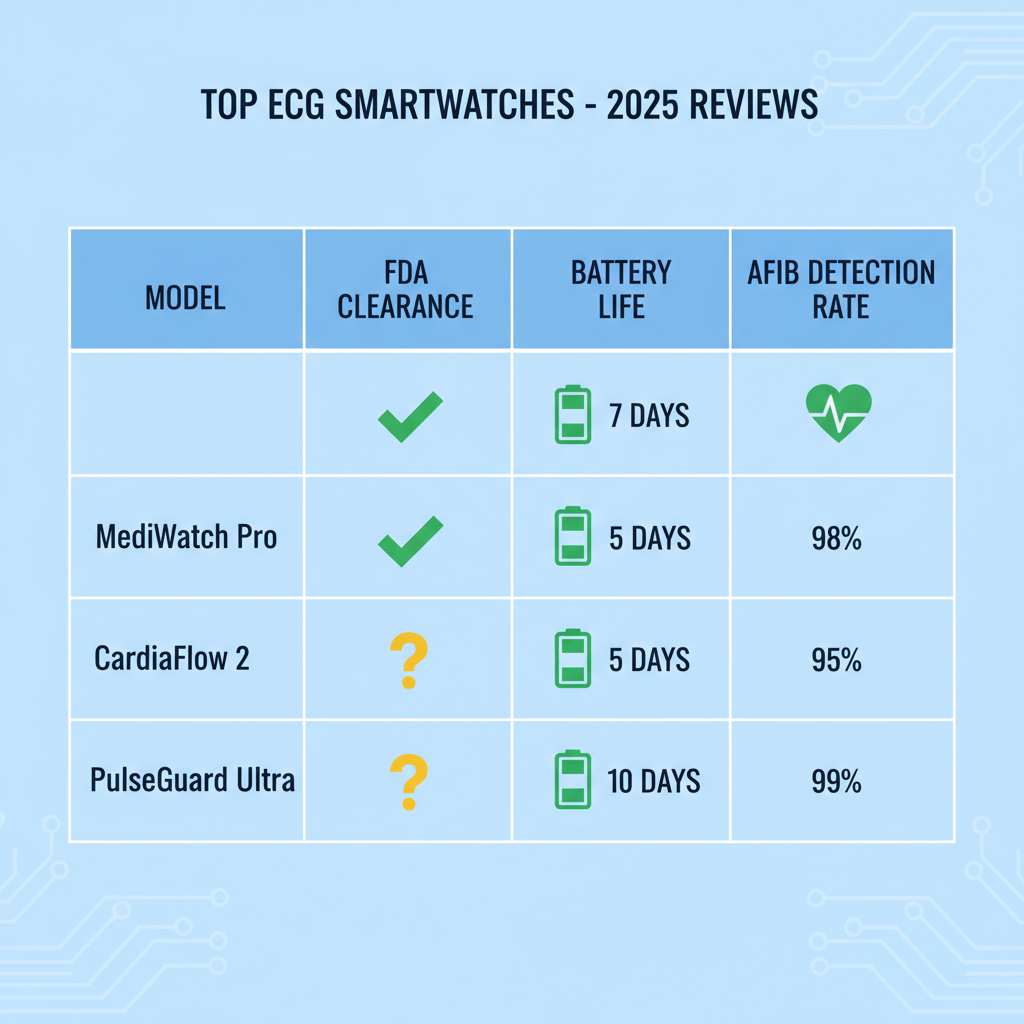
Don’t buy blind—demand peer-reviewed accuracy. A 2025 Wareable analysis confirms Apple and Withings hit 98% Afib sensitivity, validated against gold-standard ECGs.[5] Consumer Reports praises Galaxy Watch Ultra for durability in tests, while Fitbit Sense 2’s stress+ECG combo flags anxiety-heart links early.[7]
Trend alert: Sleep apnea integration (Withings, Apple) correlates with 40% higher Afib risk per recent research—devices now flag both.[2] Experts like those at Vertu warn: Skip ‘wellness-only’ like basic Pixel Watch 3 unless paired with cleared apps.[2][5]
Your 5-Step Checklist: Avoid Overpaying for Heart Safety
Armed with this, shop smarter—act now before Black Friday 2025 prices vanish.
- Verify FDA Clearance: Search ‘[model] FDA ECG Afib’—must detect rhythms, not just ‘monitor’. Apple Series 10/Ultra 2: Yes.[1][2]
- Check Battery & Wear: 6+ days? Withings/Fitbit win; daily chargers distract from health.[2]
- Test Accuracy Claims: Look for clinical trials (e.g., Garmin’s Elevate 5 studies).[5] Avoid black-box algorithms.
- Match Your Phone: iOS? Apple. Android? Samsung/Huawei. Cross-check app exports for docs.
- Price Anchor & Buy: $300-400 sweet spot. Compare Amazon/Best Buy—Sense 2 at $249 deals scream scarcity![2]
Pro move: Pair with KardiaMobile ($149) for 6-lead boosts—docs love the reports.[2]
Common Pitfalls: What Buyers Regret
Over 20% return ‘wellness’ watches for false alerts sans clearance.[5] Skip if no PDF exports—useless for insurance claims rising in 2025.
Final Verdict: Invest in Proven Protection Today
Apple Watch Series 10 leads for most ($399), Withings ScanWatch 2 for longevity ($349), Garmin for athletes ($449). Take action now: Grab your top pick, run an ECG baseline, and share with your doc—join the 1M+ users catching issues early. Your heart can’t wait; limited stock and deals won’t last. Which will you choose?