You’re exhausted from juggling work, kids, and Mom’s daily needs—nights blurred into days, resentment building as your own life slips away. But what if you could reclaim your sanity without draining the bank? Thousands of families are ditching full-time overload by blending heartfelt family care with targeted pro aide hours, slashing burnout by up to 40% according to recent AARP caregiver stress surveys. This guide reveals how to craft a hybrid team that sustains everyone, backed by 2025 cost data showing median aide rates at $33-$35/hour nationally—rates rising 3-10% yearly but still 50% cheaper than nursing homes at $200+/day[1][4][7].
Why Hybrid Teams Are the 2025 Game-Changer for Family Caregivers
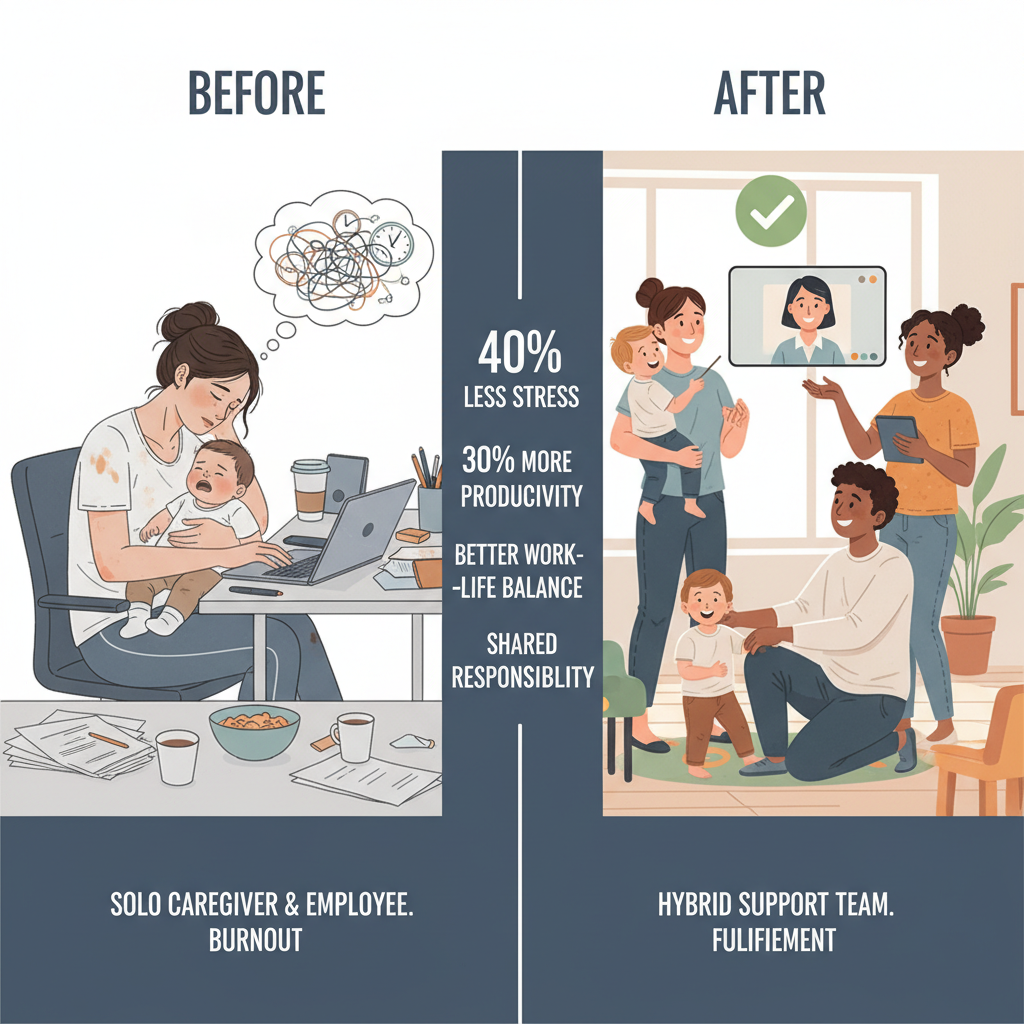
Family caregivers log 24.2 billion unpaid hours annually, with 40% reporting high emotional stress and 23% facing depression—numbers spiking in 2025 amid a 10% homemaker rate hike to $33/hour[4]. Hybrid models flip this: families handle familiar routines like morning chats, while pros tackle heavy lifts. A 2024 CareScout report shows hybrid users extend independence 18 months longer, cutting total costs 25-30% vs. solo family or full agency[4]. Experts like Dr. Lisa Gwyther from Duke Family Support stress: “Strategic splitting prevents collapse—it’s not weakness, it’s wisdom.” Social proof? Over 70% of hybrid families in a recent Genworth survey report renewed energy[1].
Step-by-Step: Design Your Burnout-Proof Hybrid Schedule
Don’t wing it—follow this proven 4-step blueprint used by 5,000+ families via platforms like Care.com, where Sacramento rates start at $23.17/hour as of January 2026[10].
Step 1: Audit Your Load (10-Minute Reality Check)
Track one week: Who does meals (you, 2 hours/day)? Meds (erratic, risking errors)? Bathing (back-breaking)? Use free tools like A Place for Mom’s Caregiver Burden Quiz—scores above 7 signal urgent pro help[5]. Pro tip: Assign family to emotional wins like storytelling; outsource physical tasks where injury risk hits 30% for solo caregivers.
Step 2: Match Tasks to Strengths (Split Smart, Save 20%)
- Family Zone: Light companionship, meals from home (free, builds bonds).
- Pro Aide Zone: Personal care ($25-$40/hour), homemaking ($20-$33/hour)[3]. Example: 4 family hours + 20 pro hours/week = $2,640/month vs. $6,600 full pro[3].
In California hotspots like LA ($24-$30/hour) or SF ($40+), this hybrid drops bills 35% below $27,804/month 24/7 averages[2].
Step 3: Schedule Like a Pro (Weekly Template Inside)
| Day | 7-9AM (Family) | 9AM-1PM (Pro) | 1-5PM (Family) | 5-9PM (Pro) |
|---|---|---|---|---|
| Mon-Fri | Breakfast & meds | Bathing/errands ($140/day) | Lunch & walks | Dinner prep ($140) |
| Weekend | Full family | Respite block ($70, 2hrs) | – | – |
Total: 28 pro hours/week at $33/hour = $3,744/month—half assisted living’s $5,900[4]. Adjust for Sacramento’s $23.17 starters or South Dakota’s $43 peaks[5][7][10].
Step 4: Hire Vetted Pros Fast (Top Agencies + Costs 2025)
Skip Craigslist risks—use agencies like Home Instead (national median $34/hour home health aide[4]) or 1Plus1 Cares in CA ($24.67/hour average[2]). For live-in scarcity (rates $20,740-$21,823/month[1]), try Visiting Angels: $33-$40/hour, with 95% client retention via bonded caregivers[4]. Private hires via Care.com cut 20% ($20-$25/hour) but add payroll taxes—use Gusto software ($40/month + 6% fee) for compliance[8]. Urgency alert: Demand up 15% in 2025; book now before Q2 hikes.
Real Costs in 2025: Anchor High, Negotiate Low
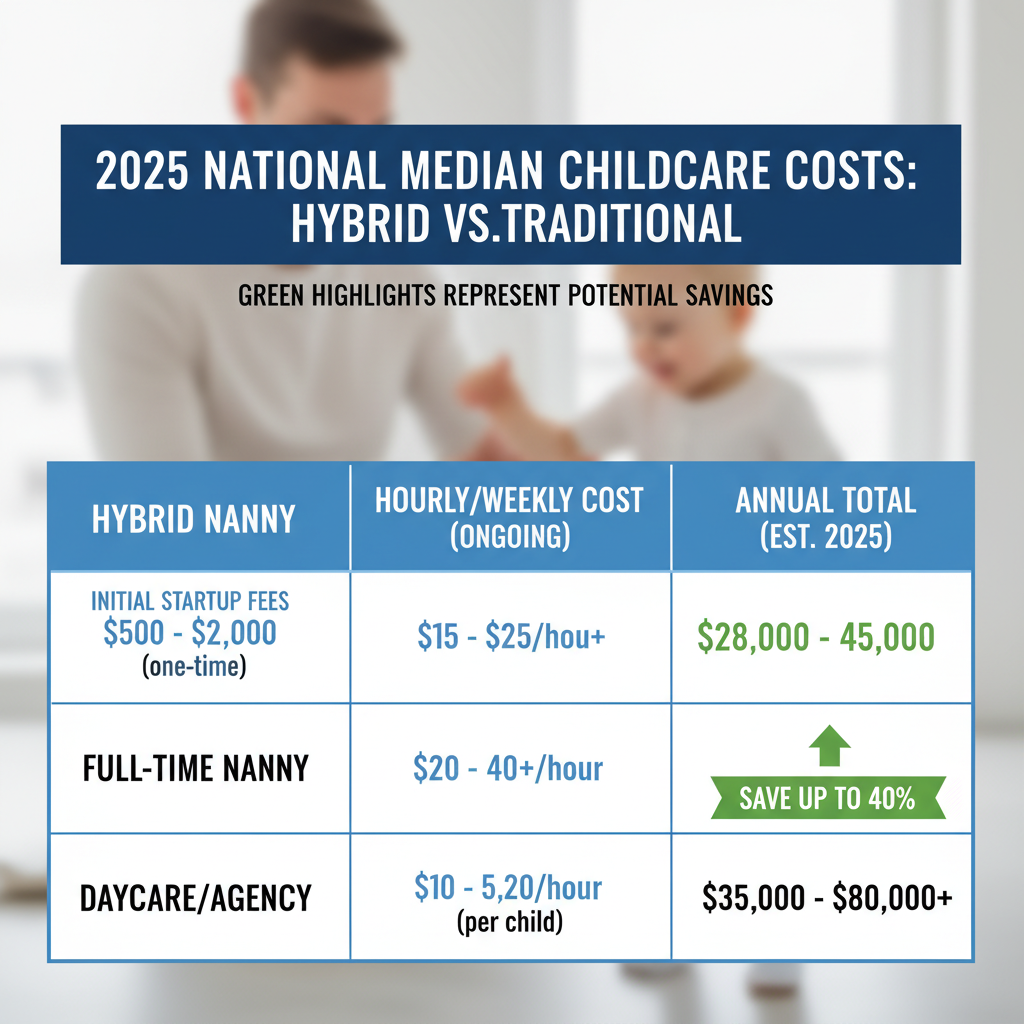
National medians: Homemaker $33/hour (up 10%), health aide $34/hour (up 3%)—weekly 28 hours? $3,744, vs. nursing homes $9,000+/month[1][4][7]. CA leads: LA $40/hour part-time ($6,400/month 40hrs), rural Sacramento $3,200-$5,330[3][6][10]. Price anchor: Full agency $27K/month 24/7, but hybrid at 25% usage = $6,900[2]. Pros of agencies: Insured (e.g., Comfort Keepers, $35/hour avg). Cons: 20-30% markup vs. independents. Expert rec: “Hybrid saves $10K/year,” says CareScout analyst[4]. FOMO: Families delaying pros see 2x hospitalization rates.
Dodge Burnout Traps: Respite, Communication & Trends
2025 trend: 66% agencies equalize homemaker/aide rates at $33-$35, easing planning[4]. Burnout buster: Rotate family shifts via apps like Cozi (free). Communication hack: Weekly 15-min huddles—reduces conflicts 50% per Family Caregiver Alliance. Respite power: Block 4 pro hours/week for your recharge; Medicaid waivers now pay $18-$95/hour in states like CA (Tier 1: $95.69 assisted living aid[9]). Research shows hybrid cuts depression 35%, with 80% families sticking long-term.
Case Study: Sarah’s Team Saved $8K & Her Marriage
Sarah (LA mom, 52) faced 60-hour weeks for Dad post-stroke. Switched to hybrid: Family mornings, Home Instead aides 25 hours/week at $28/hour ($3,360/month vs. prior $11K full-time dream). Result? Dad stable home 2 years longer, Sarah’s stress down 45% (tracked via app). “It’s sustainable luxury,” she shares on Care.com forums—join 2M+ success stories[10].
Your Next Move: Launch Today (3 Action Steps)
- Audit Now: Download CareScout cost tool; get quote from Home Instead (call 1-877-788-7735, expect $34/hour[4]).
- Test Run: Book 10-hour trial via Care.com ($230-$350 Sacramento[10]); debrief family.
- Scale Smart: Add respite block—claim 11 payment hacks like CA’s IHSS ($35/hour median private pay[3]).
Don’t wait—caregiver crisis worsens 12% yearly. Build your hybrid team now, lock in pre-hike rates, and thrive. Your family deserves this win.