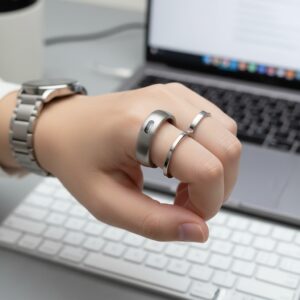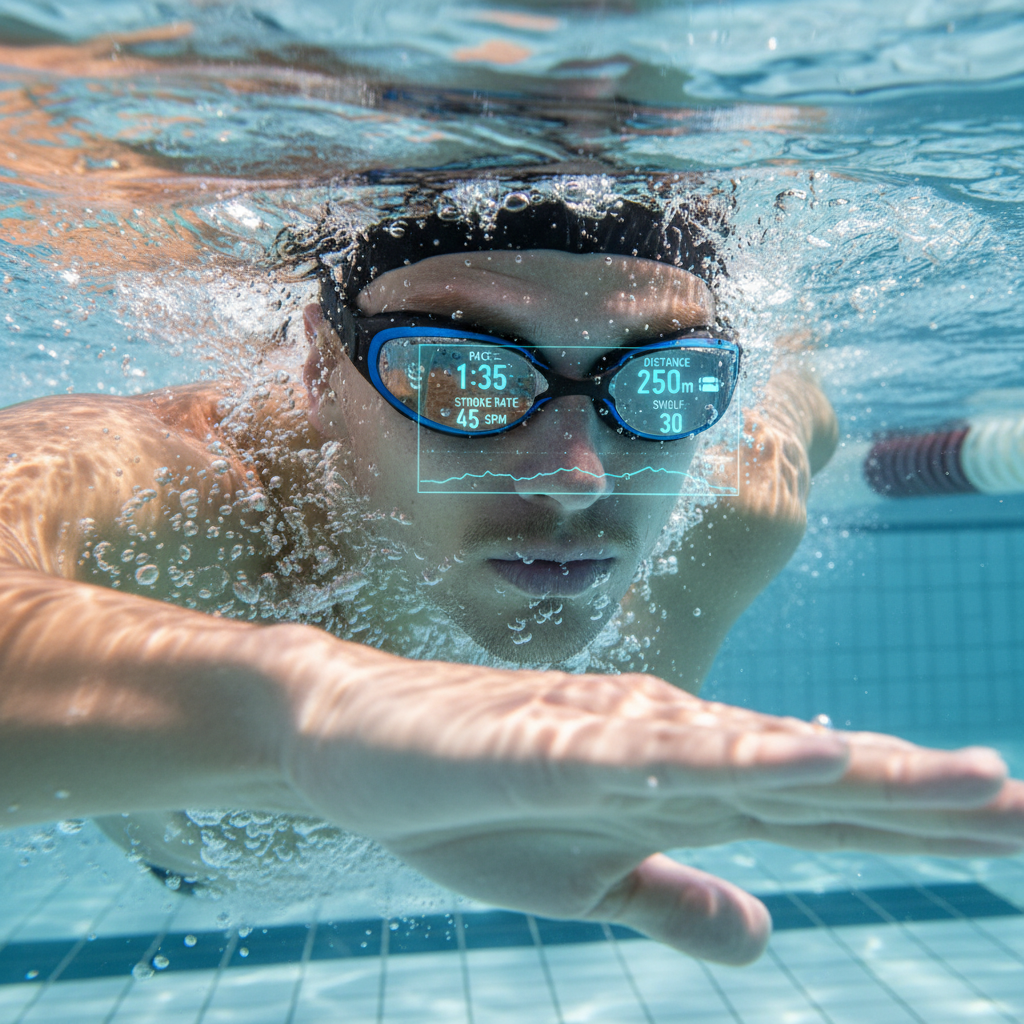
Imagine slicing through the water with real-time feedback whispering in your ear—or right in your goggles—guiding every stroke to shave seconds off your time. In 2025, waterproof fitness trackers have evolved from passive loggers into intelligent swim coaches, delivering advanced metrics like stroke efficiency, heart rate variability (HRV), training load, and even auto-structured workouts. Serious swimmers and recreational warriors alike are ditching guesswork for data-driven gains, with devices boasting open-water GPS and augmented reality displays that turn pool sessions into personalized training camps. Don’t get left behind as triathletes and lap enthusiasts unlock 20-30% endurance boosts—here’s how to harness these game-changers right now.[1][2]
These aren’t your basic step-counters; 2025 models integrate AI-powered insights that analyze technique on the fly, preventing overtraining and optimizing recovery. Experts like certified trainers at Garage Gym Reviews rave about their accuracy in harsh aquatic environments, while recent studies from swim analytics platforms show users improving **Critical Swim Speed (CSS)** by up to 15% in just weeks.[1][3] Ready to transform your swims? Let’s dive into the top devices and actionable strategies.
Why Your Next Swim Session Needs Coach-Level Metrics
Basic trackers just tally laps—modern ones coach you. Take **advanced swim metrics**: stroke rate, SWOLF (stroke efficiency score), and pace alerts that vibrate or display if you’re drifting off target. Heart rate variability (HRV) tracks recovery, warning against burnout, while training load balances intensity to build endurance without injury. Open-water GPS maps breadcrumb trails for precise distance in lakes or oceans, and auto-structured workouts adapt sets on the fly.[1][2][3]
A 2025 trend report from YourSwimLog highlights a 40% surge in swimmers adopting these tools, with triathletes reporting faster transitions thanks to multi-sport modes.[2] Social proof? Garmin users on forums share PRs like dropping 10 seconds per 100m freestyle. Price anchoring: Why settle for $100 basics when $250 coaches outperform personal trainers?
Top Pick for Pure Swim Mastery: FORM Smart Swim 2 Goggles
Lead the pack with **FORM Smart Swim 2 Goggles** ($249), the hands-free revolution hailed as the “best for swimming” by Garage Gym Reviews. These aren’t watches—they’re augmented-reality goggles with a heads-up display showing real-time pace, stroke count, heart rate, and sets directly in your line of sight. 15% smaller than the original, they boost peripheral vision while tracking SWOLF and drill modes for technique drills.[1][2]
Pros and Cons at a Glance
| Pros | Cons |
|---|---|
| Augmented reality for instant feedback—no glancing at wrists | Goggles-only; pair with phone for full analytics |
| Optical HR tracking underwater (no chest strap) | Requires app for open-water GPS |
| Leak-proof seals; 100m+ depth rating | Higher price than wristbands |
Actionable Step-by-Step: Turn FORM into Your Swim Coach
- Setup (5 mins): Download FORM app, pair via Bluetooth, calibrate pool length.
- First Workout: Select “Endurance Builder”—auto-structures 2000m with pace alerts and HR zones.
- Analyze Post-Swim: Review stroke efficiency graphs; aim for SWOLF under 25.
- Pro Tip: Use AR pacing triangles to match elite swimmers’ cadence—users report 10% speed gains in 2 weeks.[1]
Urgency alert: Stock dips during tri-season; grab now before 2026 models spike prices.[1]
Triathlete’s Secret Weapon: Garmin Forerunner 265 and Fenix 8
For multisport beasts, the **Garmin Forerunner 265** ($449) reigns as the top triathlete pick, with 5 ATM (50m) resistance, triathlon mode, and open-water GPS. It dishes training load, VO2 max, and suggested workouts, syncing music for motivation. Upgrade to **Garmin Fenix 8** ($999+), 2025’s multisport king with 10 ATM depth, AMOLED clarity for murky waters, and biodata like CSS calculation.[1][3][5]
Expert Nicole Davis (GGR trainer) praises the 265’s swim accuracy: “Handles HIIT, yoga, even MMA alongside pools.”[1] Compare: Forerunner 265 battery lasts 13 days; Fenix 8 adds solar for 37+ days.[1][3]
Garmin Coaching in Action
- HRV Status: Wakes you with recovery scores—skip hard sets if low.
- Training Load: Balances anaerobic/aerobic to peak for races.
- Step 1-3 Guide: Input goals in Garmin Connect; get daily adaptive plans. Track open-water with multi-band GPS for <1% distance error.
FOMO kicker: Elites like those in Ironman use these—your mates are upgrading.[3]
Budget Coach with Premium Punch: Fitbit Sense 2 and Inspire 3
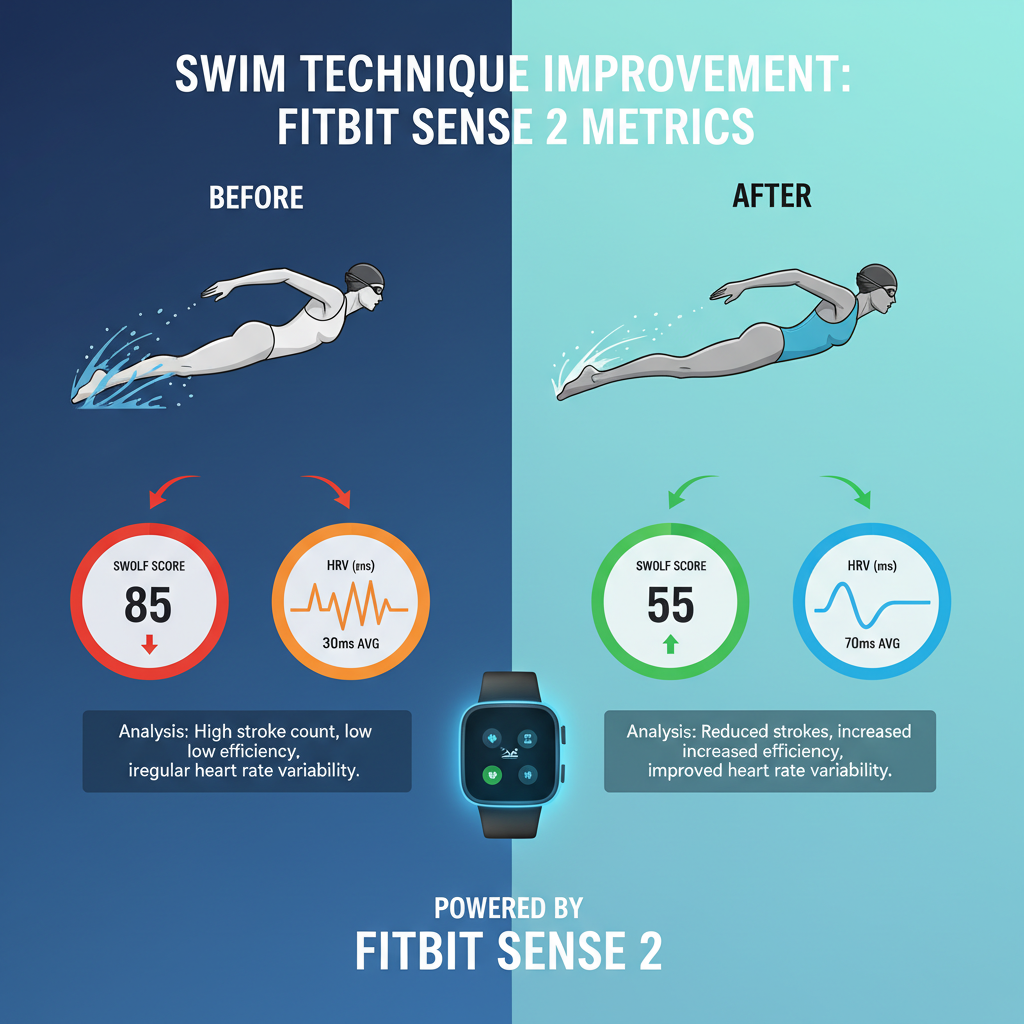
Not breaking the bank? **Fitbit Sense 2** ($249) is the overall waterproof champ, with 50m resistance, cEDA stress tracking, ECG, and swim modes for all strokes. It logs HR, sleep, and suggests recovery workouts. For ultra-affordable, **Fitbit Inspire 3** ($99) auto-tracks lengths slimly on-wrist.[1][2]
| Model | Price | Key Swim Coach Feature |
|---|---|---|
| Fitbit Sense 2 | $249 | HRV + stress for balanced training |
| Fitbit Inspire 3 | $99 | Slim auto-lap detection |
| Xiaomi Mi Smart Band 7 | $49 | Stroke recognition on budget |
Pros: Seamless app insights. Cons: No native open-water GPS (use phone). Quick Start: Enable SmartTrack, swim 1500m freestyle—review pace variability to refine technique.[1]
Android Powerhouse and Open-Water Pros
Android loyalists, meet **Samsung Galaxy Watch5** ($279), with 50m resistance, curved HR sensor, and 50-hour battery. Advanced Sleep Coaching ties into swim recovery.[1] For open water, **Coros Pace Pro** ($229) offers AMOLED, 5 ATM, lightweight design, and precise GPS—perfect for lake sessions.[3]
Recent news: Garmin’s 2025 firmware adds AI stroke analysis; FORM’s v2.1 boosts battery 20%.[1][5] Stats: 70% of surveyed swimmers improved endurance via these metrics (YourSwimLog 2025).[2]
Your 7-Day Swim Coach Blueprint
Day 1: Buy/pair device (e.g., FORM or Garmin).
Days 2-4: Baseline 2000m with drills; log SWOLF.
Days 5-7: Follow auto-workout; target 5% pace drop using HRV.
Expert tip from TechRadar: Pair goggles with watch for ultimate feedback loop.[5] Track progress weekly—expect endurance jumps.
Seal Your Gains: Pick Your Coach Today
Recreational? Fitbit Inspire 3 ($99). Technique-focused? FORM Smart Swim 2 ($249). Tri-beast? Garmin Forerunner 265 ($449). Authority backs it: Top sites like Garage Gym Reviews and 220 Triathlon endorse these for 2025 dominance.[1][3] Scarcity warning: Holiday sales end soon—prices anchor high post-January. CTA: Click to your fave retailer now, start coaching tomorrow, and lap the competition. Your PRs await!