If you’ve tried “brightening” products and your spots still stare back at you in every mirror, the missing step probably isn’t another serum—it’s correctly identifying what kind of hyperpigmentation you have and then using a formula designed specifically for it.
Below, you’ll walk through quick self-checks for common pigment problems—from post-acne marks to melasma—and see exactly which advanced ingredients, concentrations, and real-world products are most likely to move the needle.

Step 1: What Kind of “Dark Spot” Do You Actually Have?
1. Post-Acne Marks (Brown Spots After a Breakout)
Self-check:
- Spots are tan to deep brown, not red or purple.
- They appear exactly where a pimple used to be.
- Skin texture feels smooth; the mark is “flat,” not raised.
This is classic post-inflammatory hyperpigmentation (PIH)—excess melanin left behind after inflammation. PIH is especially common and more persistent in medium to deep skin tones.[5]
2. Post-Acne Redness (PIE)
Self-check:
- Marks look pink, red, or purplish, especially on lighter skin.
- They show up where pimples healed but don’t look brown yet.
- They often improve when you press and release the skin (a sign of vascular involvement).
This is more vascular than pigment-driven. “Pure” dark spot correctors often disappoint here; you need ingredients that calm redness and support barrier repair first.
3. Sun Spots / Age Spots
Self-check:
- Flat, tan to dark brown patches.
- Cluster on high UV areas: cheeks, temples, forehead, hands, chest.[5]
- Worse after summers or years of cumulative sun exposure.
These are UV-induced lentigines—heavily melanin-driven, very responsive to exfoliating acids and tyrosinase inhibitors when paired with strict SPF.
4. Melasma (Hormone-Linked Patches)
Self-check:
- Symmetrical, map-like brown or gray-brown patches on cheeks, upper lip, forehead, or jawline.[5]
- Often tied to pregnancy, birth control, or hormone shifts.
- Flares with heat and sun—even through windows.
Melasma is stubborn and relapse-prone; you need multi-pathway pigment control plus high SPF, and sometimes prescription support.
5. PIH on Deeper Skin Tones
Self-check:
- Medium-deep to very deep skin tone.
- Spots look dark brown to almost charcoal after acne, ingrowns, or eczema.
- Any irritation—over-exfoliation, harsh peels—seems to create more darkening.
Here, the priority is high-efficacy actives that are also non-irritating, because any extra inflammation can worsen discoloration instead of fading it.[3]
Step 2: Map Your Type to the Right Advanced Corrector Strategy
For Post-Acne Brown Marks (PIH): Retinoids + Acids + Brighteners
PIH responds best to a combination of cell turnover boosters (retinol, AHAs) and tyrosinase inhibitors (niacinamide, tranexamic acid, kojic acid).[2][3]
Key ingredient targets:
- Retinol (0.25–0.5% for at-home use) to speed up shedding pigmented cells.[2][3]
- Glycolic or lactic acid (~5–10% leave-on) to exfoliate and smooth texture.[2]
- Niacinamide (4–10%) to reduce pigment transfer and support the barrier.[2][3]
Current high-powered options:
- Neutrogena Rapid Tone Repair Retinol + Vitamin C Dark Spot Corrector (~$30, drugstore): pairs retinol with vitamin C to fade lingering marks; users typically see better tone in about 4–8 weeks when used nightly plus daily SPF.[3]
- Dermatica Advanced Dark Spot Corrector Serum (~£24–£30 online): uses 1% encapsulated kojic acid and 5% encapsulated glycolic acid to gradually target dark patches and post-blemish marks with less irritation.[1]
How to use (PIH routine snapshot):
- Night: gentle cleanse → targeted corrector (like Dermatica) → moisturizer.
- 2–3 nights per week: layer a retinol product (or alternate nights) if skin tolerates.
- Morning: vitamin C or niacinamide serum → moisturizer → broad-spectrum SPF 30–50.
Timeline: mild marks: 4–6 weeks; deeper marks: 8–12+ weeks of consistent use.
For Post-Acne Redness (PIE): Barrier-First, Then Gentle Brightening
Classic dark spot serums loaded with acids can backfire on PIE by increasing irritation.
Better strategy:
- Focus on barrier repair (ceramides, centella, glycerin).
- Add low-irritation brighteners like niacinamide (up to 5%) once skin is calm.[2][3]
- Consider a mild exfoliating toner once or twice a week.
Because PIE is largely vascular, if redness persists beyond 3–6 months, laser or light-based treatments with a dermatologist often outperform topical spot correctors.
For Sun Spots: Acids + Vitamin C + Next-Gen Brighteners
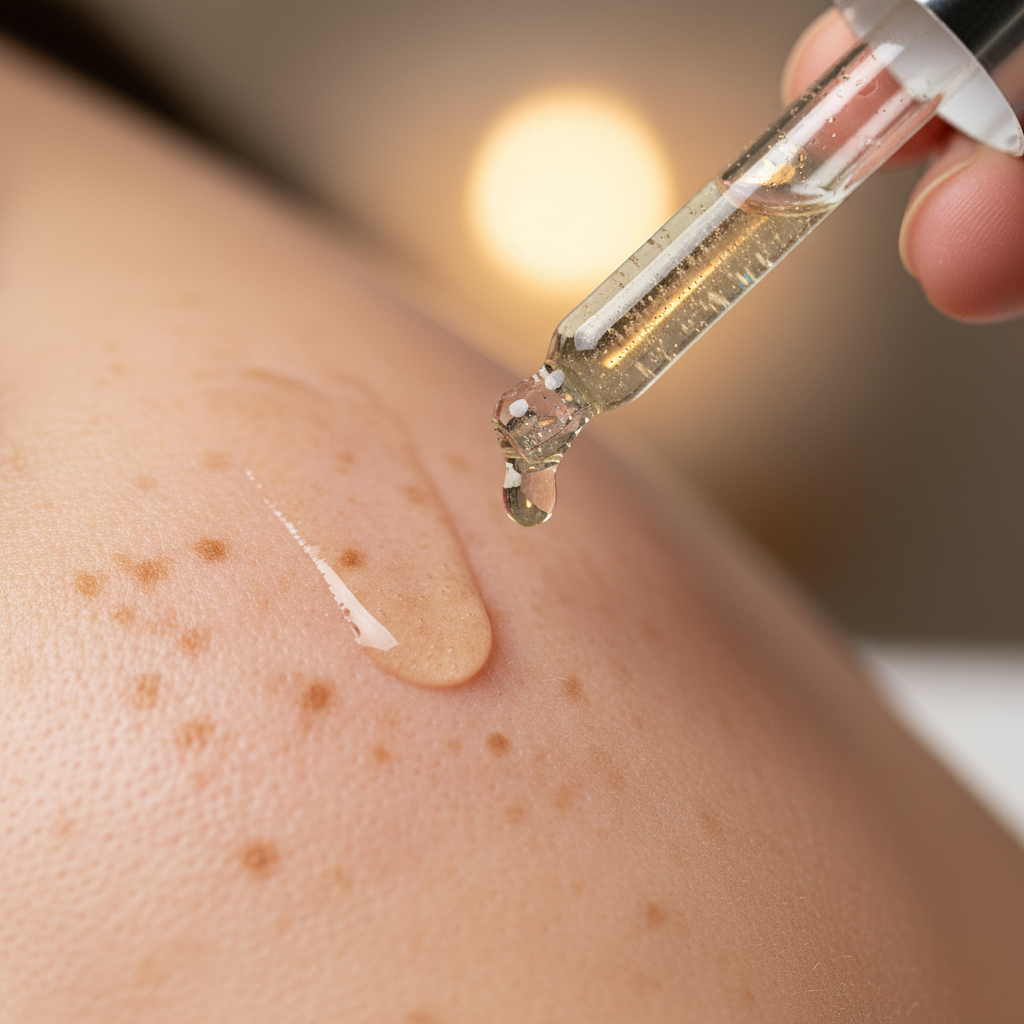
Sun spots are surface-level enough that a well-built advanced serum can make visible changes without medical procedures.
Key ingredient targets:
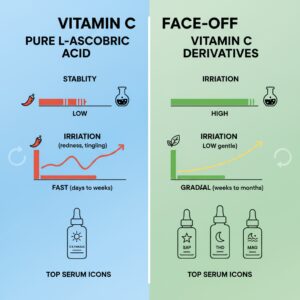
- Vitamin C (10–20%, especially stable forms like THD) to inhibit melanin production and provide antioxidant protection.[3]
- Alpha-hydroxy acids (glycolic, lactic) to speed fade of pigmented cells.[2]
- Alpha arbutin, resorcinol, licorice root to further block melanin pathways.[2][3]
Current standouts:
- SkinMedica Even & Correct Advanced Brightening Treatment (~$178, dermatologist and specialty retailers): hydroquinone- and retinol-free but loaded with tranexamic acid and niacinamide plus resorcinol and phytic acid; a Good Housekeeping Lab winner for strong spot reduction and tone evening.[2][3]
- Mother Science Molecular Hero Serum (~$89): highlighted in 2026 roundups for using a novel brightening ingredient and boosting radiance with minimal irritation.[2]
Timeline: early brightening in 2–4 weeks; noticeable spot softening around 8–12 weeks with daily SPF.[2][3]

For Melasma: Multi-Pathway Care + Derm Partnership
Melasma demands a more cautious but powerful approach.
At-home ingredient priorities:
- Tranexamic acid to reduce melanocyte activity and pigment transfer.[2][3]
- Niacinamide (5–10%) for pigment transfer and barrier support.[2][3]
- Tyrosinase inhibitors like kojic acid, alpha arbutin, licorice root.[2][3]
Hydroquinone: still considered a gold-standard melasma treatment but now prescription-only in many regions and best used under dermatologic supervision due to potential side effects.[2]
High-performance hydroquinone-free option:
- SkinMedica Even & Correct Advanced Brightening Treatment (~$178): combines a 9% LTN complex (tranexamic acid, niacinamide, lotus sprout) plus phenylethyl resorcinol and phytic acid; designed to target stubborn pigment while being gentle enough for ongoing use.[3]
When to involve a dermatologist for melasma:
- Patches are spreading or darkening despite 3 months of sunscreen and topical care.
- You are pregnant or breastfeeding and unsure what’s safe.
- You are considering prescription hydroquinone, triple-combo creams, or in-office lasers/peels.
For PIH on Medium to Deep Skin Tones: Potent but Low-Irritation Formulas
Melanin-rich skin often darkens in response to irritation, so the “strongest acid possible” is rarely the win.
Ingredients that balance power and gentleness:
- Tranexamic acid + niacinamide complexes.[2][3]
- Encapsulated retinol at lower strengths (0.25%).[3]
- Encapsulated kojic and glycolic acids to reduce irritation while maximizing efficacy.[1]
Targeted options for deeper tones:
- Live Tinted SUPERHUE® Hyperpigmentation Serum Stick (~$48): formulated “for persistent hyperpigmentation on medium to deep skin,” featuring tranexamic acid, niacinamide, 0.25% retinol, glycolic acid, THD vitamin C, and a kojic derivative in a hydroquinone-free nighttime formula. Expect steady results in 4–8 weeks with consistent use and SPF.[3]
- L’Oréal Paris Bright Reveal Dark Spot Serum with Melasyl + Niacinamide (~$33): uses the newer ingredient Melasyl to intercept melanin formation, plus 10% niacinamide; early data and reviews point to visible brightness in 2–4 weeks and spot reduction by 8–12 weeks.[3]
Pro tip for darker skin: Patch test every new brightening product. Even a well-formulated serum can trigger more PIH if your barrier is compromised.
Red Flags: When You Should Stop DIY and See a Dermatologist
Stop self-treating and book a professional consult if:
- Spots are changing shape, size, or color rapidly (especially irregular borders or multiple colors).
- You notice bleeding, crusting, or non-healing areas.
- Hyperpigmentation appears suddenly without clear triggers.
- You’ve used over-the-counter treatments consistently for 3–4 months with no improvement at all.
- You have a history of melasma or deep PIH and are considering high-strength peels or lasers.
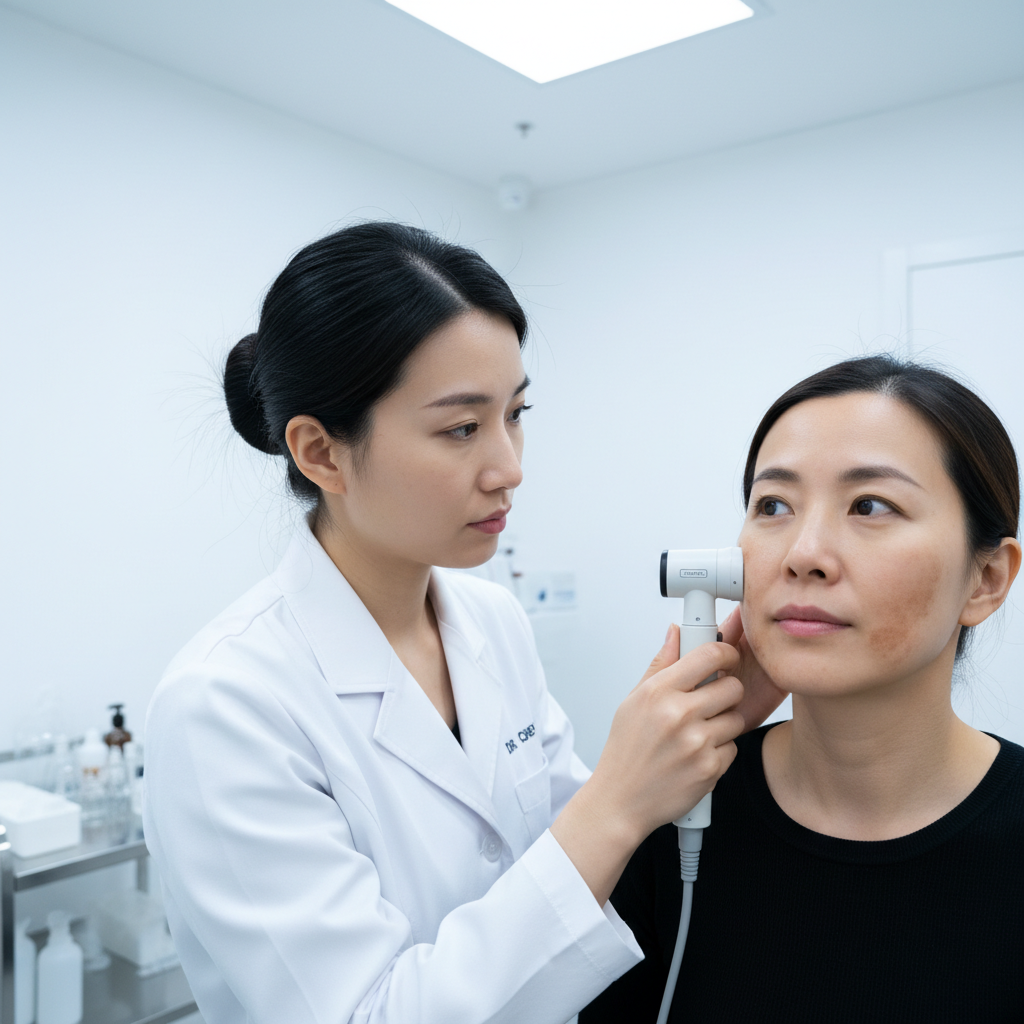
Dermatologists can use tools like dermatoscopes, prescription creams (such as hydroquinone combinations), and procedures (chemical peels, laser, light-based therapies) that simply aren’t available over the counter.[2]

How to Maximize Any Dark Spot Corrector You Choose
1. Commit to SPF Like It’s Part of the Treatment (Because It Is)
No matter which advanced corrector you buy, daily broad-spectrum SPF 30–50 is non-negotiable. Without it, UV will keep reactivating pigment pathways and can undo weeks of progress.[2][5]
2. Use the Right Frequency
- Start strong actives (retinol, glycolic acid) at 2–3 nights per week.
- Increase only if you have no stinging, peeling, or new darkening.
- Pair with a bland, fragrance-free moisturizer to buffer irritation.
3. Don’t Stack Too Many Actives at Once
Combining an AHA toner, strong vitamin C, retinol, and a dark spot serum in the same routine can tip you into irritation, especially on deeper skin—and that means more PIH.[3]
4. Set a Realistic Test Window
- Give most advanced over-the-counter correctors 8–12 weeks of consistent use before calling them a fail.[2][3]
- Take photos every 2 weeks in the same lighting; it’s easier to see subtle improvement this way.
Next Steps: Choose Based on Your Type and Budget
If you want a simple path forward:
- Mostly post-acne brown marks: Start with Neutrogena Rapid Tone Repair (~$30) plus strict SPF, or Dermatica Advanced Dark Spot Corrector (~£24–£30) if you like encapsulated actives.[1][3]
- Stubborn sun spots or melasma-prone: Consider investing in SkinMedica Even & Correct (~$178) and pair it with high-SPF daily protection; if your patches keep returning, book a derm consult.[2][3]
- Medium to deep skin with long-standing PIH: Look to Live Tinted SUPERHUE (~$48) or L’Oréal Bright Reveal with Melasyl (~$33) and introduce slowly to minimize irritation.[3]
The sooner you match your actual hyperpigmentation type to the right advanced formula—and protect your results with SPF—the less money you’ll waste on random “brightening” buys, and the faster you’ll see a smoother, more even-toned complexion in the mirror.