If you have IBS, SIBO, or chronic bloating, you’ve probably noticed a flood of meal delivery services suddenly calling themselves “FODMAP-friendly,” “gut-healthy,” or “bloat-free.” Some are truly safe. Others are riding the trend. The single biggest shortcut to protecting your gut (and your wallet) is understanding the difference between Monash-certified low FODMAP meals and loosely labeled “FODMAP-friendly” options—and knowing exactly how to verify each claim before you click “Subscribe.”

The Only Logo That Really Matters When Your Gut Is On Fire
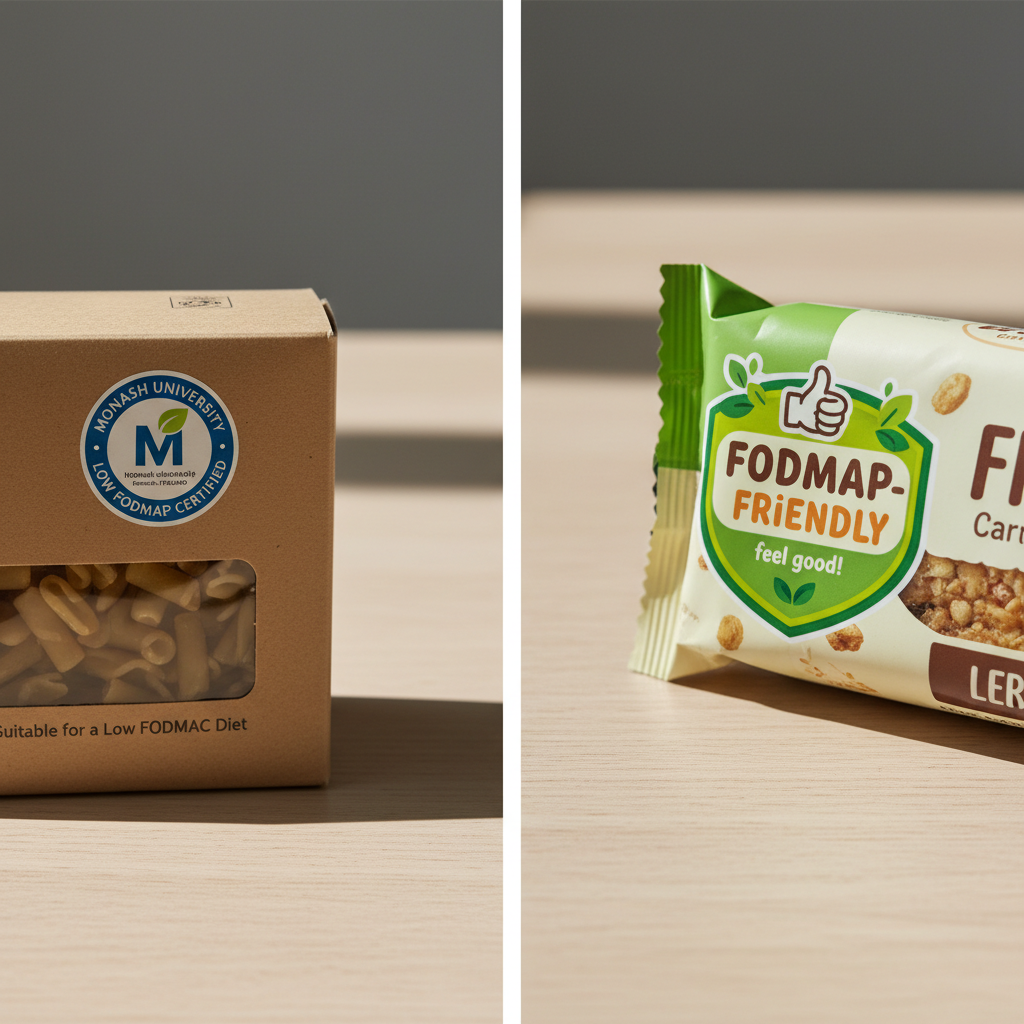
Monash University is the research group that developed the low FODMAP diet and continues to lab-test foods for their FODMAP content.[6] Their blue-and-white Monash University Low FODMAP Certified™ logo is not a marketing slogan—it is a clinical standard.
When a meal delivery service is Monash-certified, it means:
- Every recipe is assessed by Monash dietitians using their in-house FODMAP calculator.[6]
- Portion sizes are tested so one serving of that meal is confirmed low FODMAP.[6]
- Reformulations must be re-checked if ingredients or processes significantly change.[6]
By contrast, when a brand says “FODMAP-friendly,” “tummy friendly,” or “gut-supportive,” there is usually no independent lab verification behind the label. Sometimes they follow Monash app guidelines; sometimes they just avoid obvious offenders like garlic and onion and stop there.[5]
Real-World Examples: Who’s Actually Monash-Certified Right Now?
1. ModifyHealth (US) – Fully Monash-Certified Meals
ModifyHealth is currently the standout in the United States as a Monash University Low FODMAP Certified™ meal delivery service.[1][2][8] All meals in their Low FODMAP plan carry that certification.[1][2][8]
Key details:
- Plan: Low FODMAP, Mediterranean, Diabetes-friendly, Gluten-free.[2][3]
- Certification: Official Monash Low FODMAP Certified™ for their low FODMAP line.[1][2][8]
- Pricing: Independent reviews typically report around $11–$14 per meal depending on plan size and promotions (compared to many “gut health” services charging similar or higher without certification).[3][5]
- Extras: Access to registered dietitians, structured IBS programs, and research showing symptom improvements when patients ate strictly ModifyHealth meals.[3]
This is a classic price-anchoring moment: for roughly the same price as uncertified “healthy” meals, you can get lab-verified low FODMAP meals with clinical backup. Paying $1–2 more per meal for real certification can be cheaper than a single flare-up that costs you time off work and extra doctor visits.
2. Gut Feelings (Canada) – Monash-Certified Frozen Meals
In Canada, Gut Feelings offers “bloat-free” ready-to-eat meals and is proudly Monash Low FODMAP Certified.[4]
Key details:
- Region: Ontario and Quebec (frozen delivery).[4]
- Certification: Monash University Low FODMAP Certified™—each serving is confirmed low FODMAP.[4]
- Positioning: “Healthy meals that won’t make you bloated,” emphasizing IBS-friendly, whole-food ingredients.[4]
This is a strong option if you’re in Canada and want the security of Monash certification with freezer-friendly convenience.
“Designed to Be Low FODMAP” vs “Certified”: Where Things Get Murky
Epicured – Medically Designed, But Not Certified
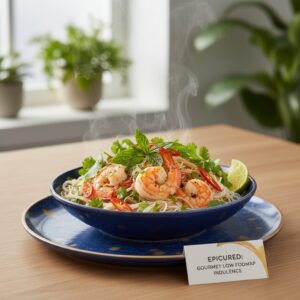
Epicured is a popular US service that markets itself as a healthcare-focused, gourmet low FODMAP and gluten-free meal provider.[5][9] Their meals are created with dietitians using Monash standards and all offerings are gluten-free.[5]
However, independent reviews clearly note that Epicured is not Monash-certified.[5] They follow Monash guidelines, but there is no formal lab-backed certification program verifying each recipe and portion size.
What this means for you:
- Meals are likely very thoughtfully designed and suitable for many people with IBS.
- But if you are highly sensitive or in the strict elimination phase, the lack of formal certification may matter.
This is where FOMO and social proof can mislead you: glowing user reviews and chef photos look impressive, but they are not a substitute for formal testing.
Other “FODMAP-Friendly” or “Gut-Healthy” Services
A growing number of services—meal kits, frozen meals, and snack brands—describe themselves as:
- “Low FODMAP inspired”
- “FODMAP-conscious”
- “Bloat-free” or “gut happy”
Most are not listed in the Monash certification program and do not display the logo.[6] Some, like low FODMAP meal kit pioneers, emphasize dietitian-approved menus and pre-portioned ingredients but still stop short of formal certification.[7]
These can still be useful—especially after you’ve completed the strict elimination phase—but they shift more of the risk and responsibility onto you to interpret ingredients and portions correctly.

The 5-Step Safety Check Before You Trust Any “FODMAP-Friendly” Label
Step 1 – Hunt for the Monash Logo First
Go to the company’s homepage and FAQ and actively look for the blue-and-white Monash University Low FODMAP Certified™ logo.[2][4][8] If it’s not clearly displayed, assume the meals are not certified and move to deeper checks.
Step 2 – Cross-Check with Monash’s Certification Program
Monash confirms that they do certify delivered fresh or frozen meals and ingredient boxes under their recipe certification program.[6] If a provider claims to be certified but you cannot see them referenced or their logo looks “off,” treat that as a red flag and verify via Monash or customer support.
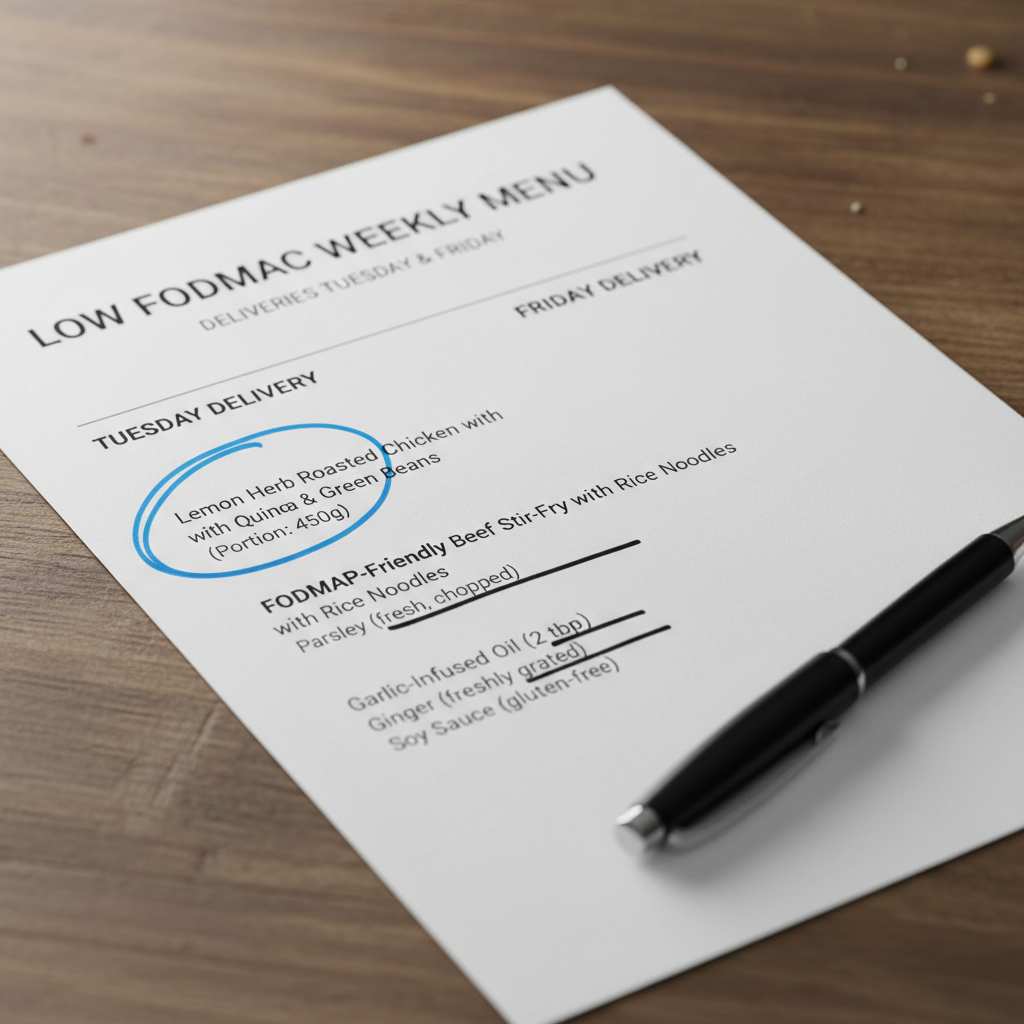
Step 3 – Read the Ingredients Like a Detective
With non-certified services, scan menus for common FODMAP traps:
- Garlic, onion, shallots, in any form (including powders, stock bases, “spices”).
- High-fructan grains (wheat, rye) used in breads, pastas, or coatings.
- Sweeteners like honey, agave, high-fructose corn syrup, inulin, chicory root.
Monash-certified services like ModifyHealth or Gut Feelings are required to control these ingredients and portions.[1][4][6] With uncertified brands, one reformulated sauce can turn a “safe” meal into a flare-up trigger.
Step 4 – Check Portion Sizes and Serving Assumptions
Monash certification tests the whole serving as eaten.[6] Uncertified services may base their claims on raw ingredients that seem low FODMAP individually, but the final portion can stack FODMAPs above your tolerance.
Use the Monash app to compare listed ingredients and estimate whether a full meal might exceed safe limits, especially for:
- Multiple low FODMAP vegetables in large amounts
- Legumes, lentils, or chickpeas even in “small” amounts
- Large fruit portions or multiple fruits in one dessert or smoothie
Step 5 – Look for Clinical Support, Not Just Influencer Reviews
Services that work closely with healthcare professionals and publish data carry more weight. For example, ModifyHealth references research showing IBS symptom improvements among low FODMAP diet users and even better outcomes among those strictly using their meals.[3] That is a different level of evidence compared with generic testimonials.
How to Match a Service to Your IBS “Phase”
If You Are in the Strict Elimination Phase
This is where you want to be almost paranoid about exposure. Your safest strategy:
- Prioritize Monash-certified services like ModifyHealth (US) and Gut Feelings (Canada).[1][2][4][8]
- Use these for the bulk of your meals to create a “controlled environment” for 2–6 weeks.
- Reserve uncertified but low FODMAP–inspired services as occasional backup only after you see stability.
If You’re in Reintroduction or Long-Term Maintenance
Once you know your specific triggers and tolerances:
- Use Monash-certified meals as your “safe baseline” during stressful weeks or travel.
- Layer in thoughtfully designed but uncertified options like Epicured to expand variety, especially if you tolerate slightly higher FODMAP loads.[5][9]
- Experiment with low FODMAP meal kits (e.g., dietitian-approved ingredient boxes) to rebuild cooking confidence and reduce label-reading fatigue.[7]

A Simple Action Plan You Can Execute Tonight
1. Decide Your Risk Tolerance (and Budget)
If flare-ups are severe or you’re starting elimination, treat Monash certification as non-negotiable. Anchor your budget around roughly $12–$14 per certified meal for services like ModifyHealth rather than spending similar amounts on uncertified “healthy” options.[1][2][3][5]
2. Shortlist 2–3 Services
Based on your location:
- US: Start with ModifyHealth for certified meals, then add Epicured only once you feel stable.[1][2][3][5][9]
- Canada: Start with Gut Feelings for Monash-certified frozen meals.[4]
- Elsewhere: Look for services referencing Monash guidelines, dietitian involvement, and detailed ingredients; confirm via email whether they have any Monash-certified recipes or are in the process of certification.[6][7]
3. Order a “Control Week” of Meals
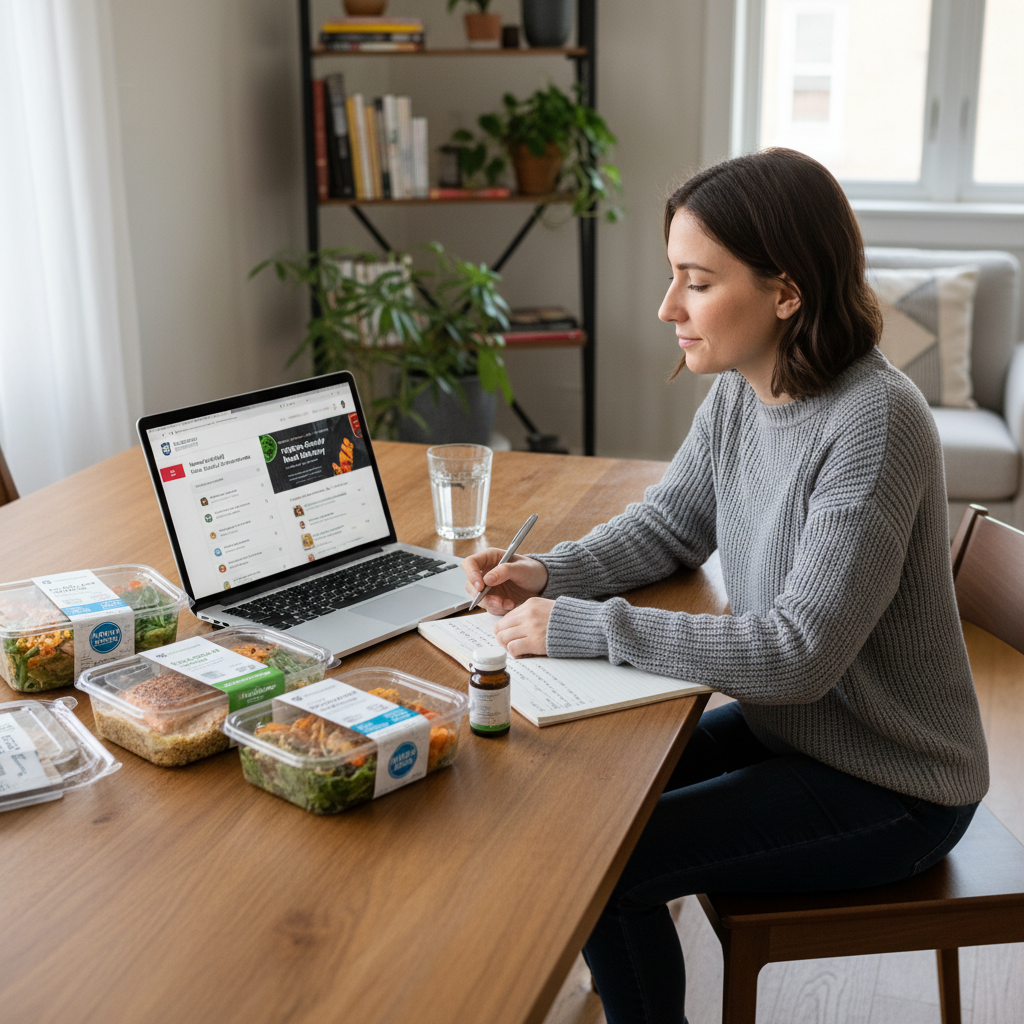
For one week, try to get at least 70–100% of your meals from a Monash-certified provider. Keep a symptom diary. This gives you a baseline of what your gut feels like under truly controlled, tested conditions.
4. Add Variety Cautiously
Once you have a stable week, introduce 1–2 meals from an uncertified “FODMAP-friendly” service. If you react, you know exactly where to look—and you can dial back without guessing which ingredient or restaurant meal did it.
5. Lock In a Default Subscription
To avoid decision fatigue, set up a recurring order of certified meals as your default safety net. Most services like ModifyHealth allow you to skip, pause, or change meals week to week.[1][2] This gives you both flexibility and a reliable, gut-safe backup plan.
Ready to Choose? Here’s the Bottom Line
Marketing terms like “FODMAP-friendly” and “bloat-free” are not regulated. The Monash University Low FODMAP Certified™ logo is. For people with IBS, that difference can mean the gap between a calm gut and a week-long flare.
If you act now—before your next symptom spike—you can lock in a small roster of verified safe meal options, reduce guesswork, and reserve your energy for living your life, not reading labels under fluorescent kitchen lights.
Your move tonight: pick one Monash-certified provider available in your region, build a one-week box, and give your gut a controlled “reset” window. Future you will be very hard to convince to go back.