You do not need another “retinol vs plant alternative” opinion piece—you need a blueprint that tells you, for your age, your skin, and your lifestyle, whether to stick with the classic gold‑standard night active, switch to the gentler new‑school botanical, or strategically use both for maximum payoff with minimum irritation.
What follows is a 2025 decision‑tree style guide: map where you are now, then plug into a sample routine (with real products, price ranges, and timelines) you can start tonight.

Step 1: Your Profile Check — Age, Tone, and Sensitivity Level
1. Your Age & Main Goal
18–25: Prevention, texture, early post-acne marks.
26–35: First fine lines, dullness, melasma or sun spots from screens and sun.
36–50: Firmness loss, deeper expression lines, uneven tone.
50+: Thinning, crepey skin, pronounced wrinkles, dryness.
2. Your Skin Behavior
Highly sensitive / reactive / eczema or rosacea‑prone: You sting easily, often react to acids or fragrance. Derms consistently flag that harsher vitamin A derivatives cause redness and peeling in this group.[1][5][6]
Balanced to resilient: You can handle exfoliants, rarely react, and are willing to ride out a short adjustment period. Classic vitamin A derivatives still have the deepest research for collagen and wrinkle reduction.[1][3][7]
3. Lifestyle Filters That Change Everything
Pregnant, trying, or nursing: Mainstream dermatology guidance is to avoid vitamin A derivatives in this window, which pushes you toward gentler plant-based options.[1][2][7]
Sun‑heavy lifestyle (outdoor work, sports, or often forget SPF): Classic night actives can increase photosensitivity, while the botanical option is not known to be photosensitizing and can be used in the morning.[1][2][6][8]
Step 2: Your Blueprint Path — Classic, Botanical, or Hybrid?
Path A: Resilient Skin, Serious Aging Concerns, High Commitment
Who this is for: 30+ with visible lines, sun damage, or breakouts, comfortable committing to nightly use and daily SPF.
Dermatologists still describe the classic vitamin A route as the “power tool” for collagen and cell turnover, working faster and more forcefully than gentler alternatives.[1][7][8] Improvements in fine lines can start in about 4–8 weeks for many users, versus more gradual changes with plant-based options.[2][8]
Ideal move: Make the classic your main night active, and optionally layer in a soothing botanical alongside or on alternate nights for comfort and barrier support.[2][4]
Example Routine: Power Path (Approx. $60–$130 to Start)
PM Routine (3–4 nights/week to start):
1. Cleanser: CeraVe Hydrating Facial Cleanser (~$16) – barrier‑supportive, no fragrance.
2. Treatment (classic vitamin A serum):
- The Ordinary Retinol 0.5% in Squalane (~$10) — budget path, moderate strength.
- or SkinCeuticals Retinol 0.3 (~$80) — derm‑beloved, more cosmetically elegant.
3. Buffer with moisturizer: La Roche‑Posay Toleriane Double Repair (~$24).
4. Optional comfort layer: a gentle botanical serum underneath or on off‑nights to offset redness and dryness, which studies show this ingredient can reduce.[1][2][4]
AM Routine (Daily):
1. Cleanser or splash of water.
2. Hydrating serum (e.g., Vichy Mineral 89 ~ $32).
3. Broad‑spectrum SPF 30–50 (non‑negotiable).
When to pick this path:
- You want faster, more dramatic change in deeper wrinkles or acne.[1][3][7]
- You rarely react to active skincare and will wear sunscreen every morning.
Path B: Sensitive, Reactive, or Pregnancy‑Phase Skin
Who this is for: Teens through 50+ who flush, sting, or peel easily, are managing rosacea/eczema, or must avoid vitamin A derivatives for medical or pregnancy reasons.
Multiple controlled 12‑week studies (often using 0.5% strength) have reported similar improvements in wrinkles and pigmentation between the botanical active and the classic—but with significantly less scaling, stinging, and irritation on the botanical side.[2][3][5][6] It is not known to increase sun sensitivity and is generally viewed as compatible with daytime use and pregnancy.[1][2][8]
Ideal move: Use the botanical as your main smoother/brightener, morning or night, with a focus on consistency. Expect a slower, but calmer, trajectory—roughly 8–12 weeks for visible changes.[2][3][8]
Example Routine: Gentle Glow Path (Approx. $50–$140 to Start)
AM Routine:
1. Ultra‑gentle cleanse (e.g., Vanicream Gentle Facial Cleanser, ~$11).
2. Botanical serum (day‑safe):
- Paula’s Choice 0.3% Bakuchiol + Peptides Treatment (~$52) — combines peptides for extra firming.
- Budget option: The INKEY List Bakuchiol Moisturizer (~$13).
3. Moisturizer for your type (gel for oily, cream for dry).
4. SPF 30–50; this active is not photosensitizing, but UV still drives aging.[1][2][6][8]
PM Routine:
1. Gentle cleanse.
2. Repeat botanical serum or use a richer version at night like Ole Henriksen Goodnight Glow Retin‑ALT Sleeping Crème (~$60), which uses this ingredient plus exfoliating acids for glow.
3. Occlusive moisturizer if dry (e.g., CeraVe Healing Ointment as a thin top layer, ~$18).

When to pick this path:
- You’ve “failed” classic night actives before with redness, flaking, or burning.[1][5][6]
- You are pregnant/nursing or advised to avoid vitamin A derivatives.[1][2]
- You want an easier, no‑purge, no‑downtime route to smoother, brighter skin.[2][3][8]
Path C: Smart Hybrid — Stacking for Maximum Results with Less Irritation
2025 research and brand launches are moving away from an either/or debate and toward combination formulas. New data shows that using the botanical alongside the classic can:
- Help stabilize the classic molecule in formulas.
- Reduce visible irritation by roughly 40–50% in some reports.[2][4]
- Deliver around 15% better clinical improvement than either ingredient alone in certain combo products, blending speed + gentleness.[2][4]
Who this is for: 25+ with moderate resilience who want power‑level results without full‑blown peeling; people who gave up on strong actives after an initial bad experience.
Example Routine: Hybrid Path (Approx. $70–$180 to Start)
PM Routine (2–4 nights/week):
1. Cleanser (gentle).
2. Combo serum:
- EA Skincare Retinol + Bakuchiol (med‑spa line, often ~$90–$120) — explicitly designed to pair both actives for amplified results with fewer side effects.[4]
- or a similar combo from clinical brands that blend low‑dose classic actives with the botanical.
3. Moisturizer; optionally a calming cream with niacinamide.
AM Routine:
1. Cleanse lightly.
2. Hydrating and barrier serums.
3. SPF 30–50, rain or shine.
When to pick this path:
- You want more than the “gentle route” can deliver alone, but you’re wary of peeling.[1][2][4][7]
- You’re comfortable investing slightly more for a sophisticated formula that does the stabilizing and balancing work for you.
Step 3: Match by Concern — Pigment, Acne, or Deep Wrinkles?
Stubborn Dark Spots & Uneven Tone
Controlled trials show both routes can improve pigmentation with no significant difference in the degree of change in some 12‑week studies.[2][3][5] If your main battle is melasma or sun spots and you’re not in a rush, the gentler botanical path (or hybrid) is often enough, especially combined with vitamin C and SPF.
Acne + Aging at the Same Time
Classic vitamin A derivatives have decades of data for unclogging pores and preventing new breakouts.[1][3][5][7] The botanical active offers anti‑inflammatory and antibacterial properties that help acne‑prone, sensitive skin with a lower risk of purging.[5][7]
Strategy:
- Oily but resilient: follow the Power Path with a lighter gel moisturizer.
- Inflamed or easily red: Gentle Glow Path, then consider upgrading to the Hybrid Path once your barrier is calm.
Deep Wrinkles, Sagging, and Photoaging
Dermatologists still lean on classic vitamin A formulas (and in-office treatments) as the fastest route for advanced photoaging and deeper etched lines because their evidence base is broader and longer.[1][3][7][9] The botanical (alone) is better framed as a long‑game, lower‑irritation support option in this group.

Step 4: Practical Rules So You Don’t Trash Your Barrier
Starter Rules (First 4 Weeks)
1. Introduce only one strong active path at a time. If you start a classic night serum, delay adding exfoliating acids for a few weeks to avoid over‑stripping.[1][6][7]
2. Use the “sandwich” method if you sting: moisturizer → active → moisturizer again. This can dramatically cut down on irritation while your skin adapts.[1][5]
3. Downgrade, don’t quit, at first sign of dryness: switch temporarily to the Gentle Glow Path (botanical only) 2–3 nights/week, then build back up.
Timelines & Expectations
- Classic‑forward paths: Some textural changes may show at 4–8 weeks; pigment, firmness, and deeper lines can take 3–6 months of consistent use.[1][3][7]
- Botanical‑forward paths: Studies report visible improvement in fine lines and pigmentation at around 8–12 weeks, with far fewer reports of stinging and scaling.[2][3][5]
- Hybrid formulas: Early data and brand testing suggest smoother texture and tone with fewer “retinoid uglies,” making this path attractive if you hate downtime.[2][4]
Your Next Move (Don’t Overthink It)
Use this quick rule:
- If you’re sensitive, pregnant, or new to actives: Start with the Gentle Glow Path for 12 weeks.
- If you’re resilient with visible aging or acne: Start with the Power Path at low strength, then decide at 8 weeks whether to upgrade or switch to Hybrid.
- If you’ve quit strong serums before out of irritation: Jump straight to the Hybrid Path with a combo formula and strict SPF.
The biggest flex in 2025 isn’t using the strongest thing on the shelf—it’s choosing the right level of power for where your skin is today, then staying consistent enough to see what 12 quiet weeks of targeted, smart formulating can do.
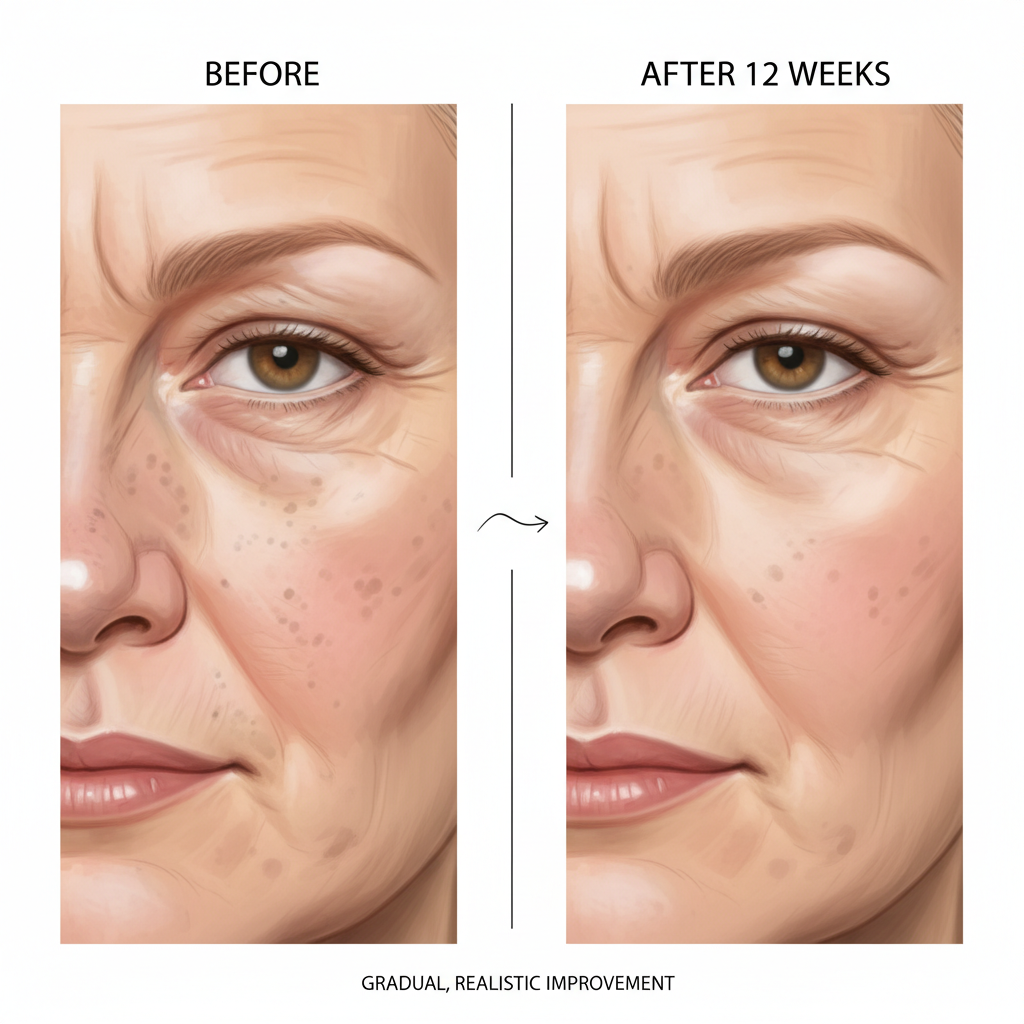
Action step: Pick one path, one hero serum today, and commit to a 12‑week trial. Take a bare‑faced, same‑lighting selfie tonight and again at weeks 4, 8, and 12. Your photos (and not product hype) will tell you whether to stay the course, level up, or dial it back.